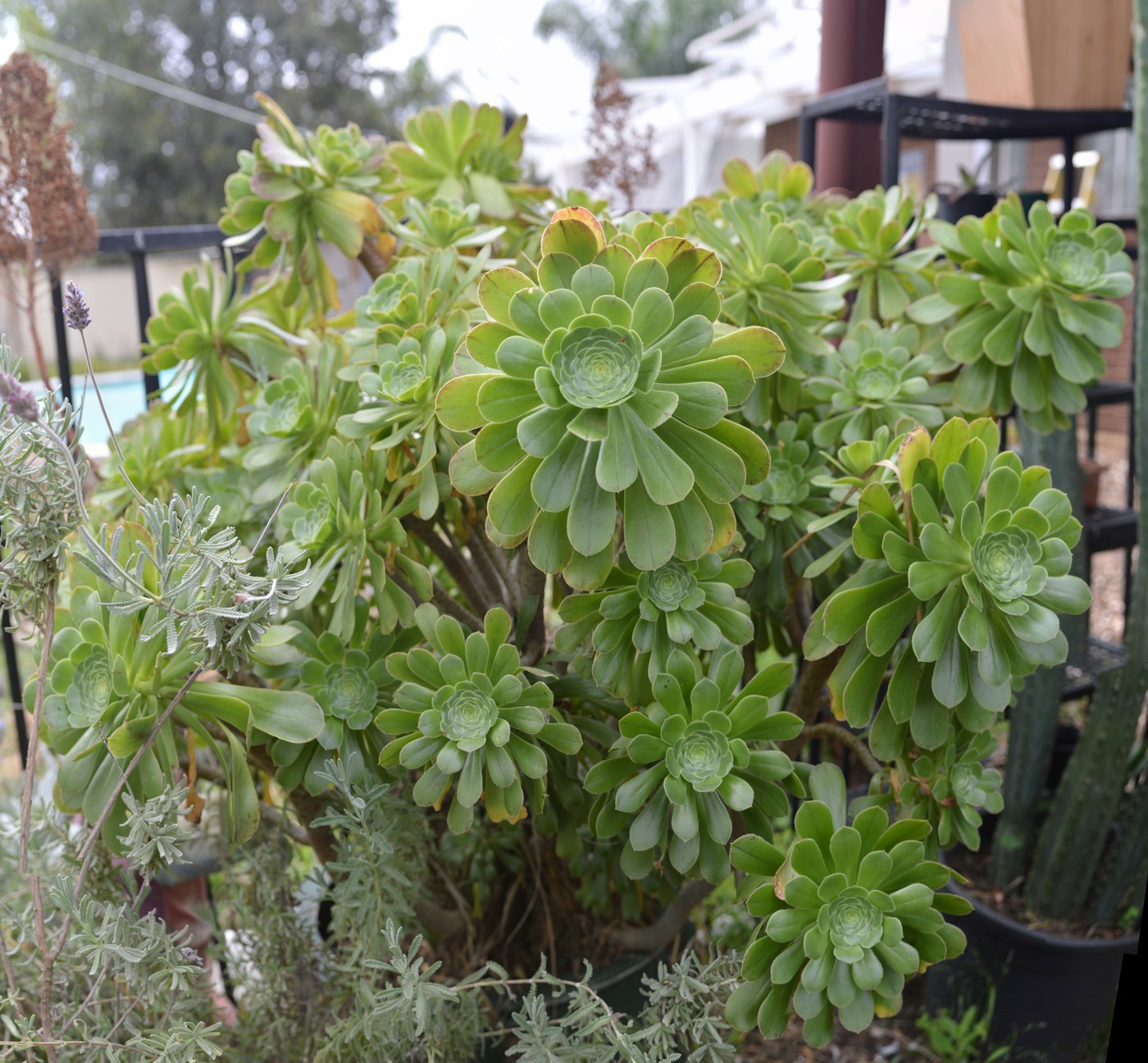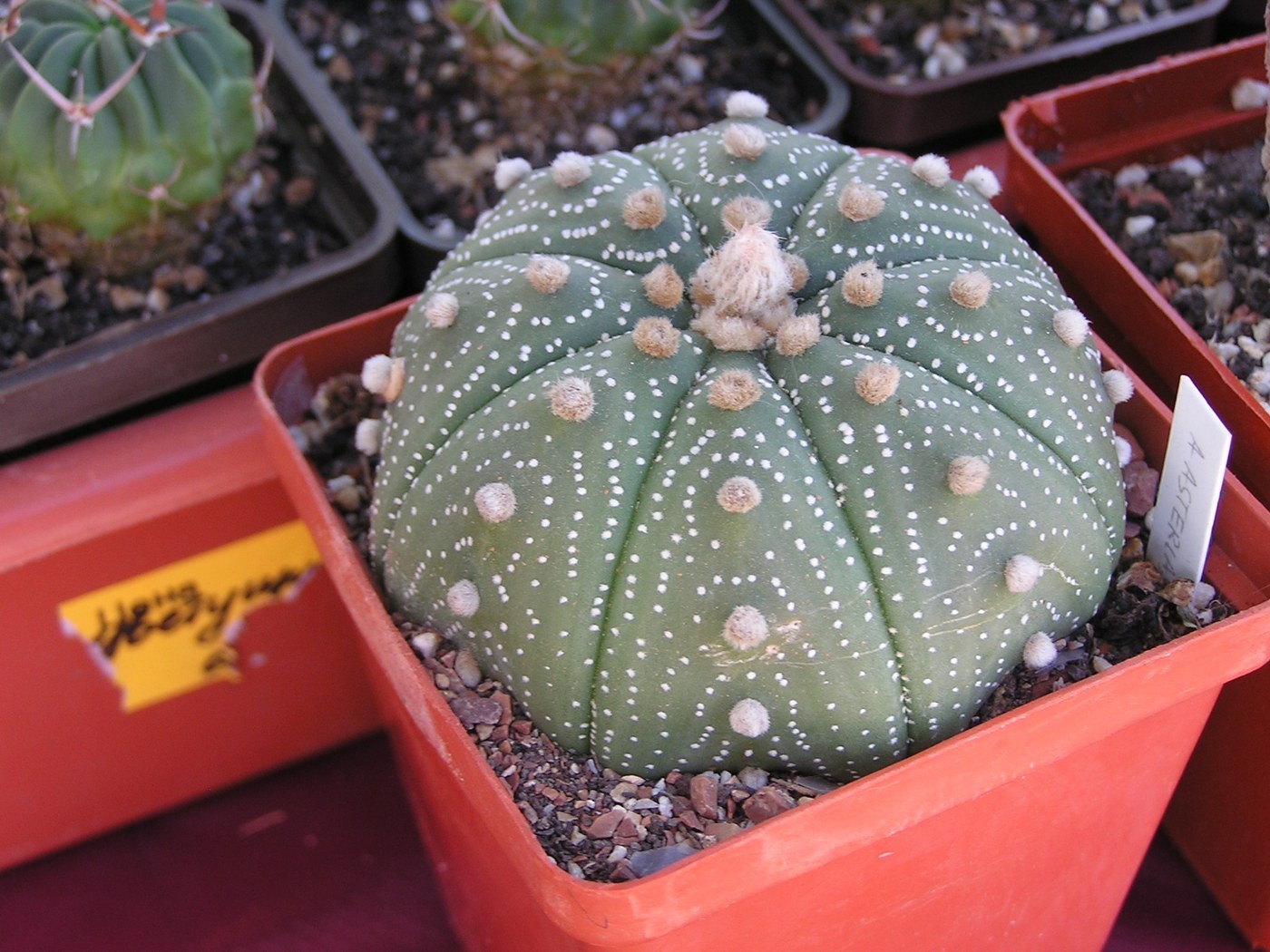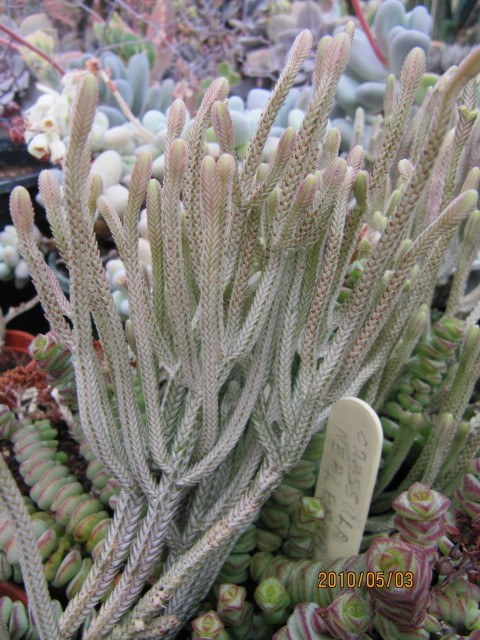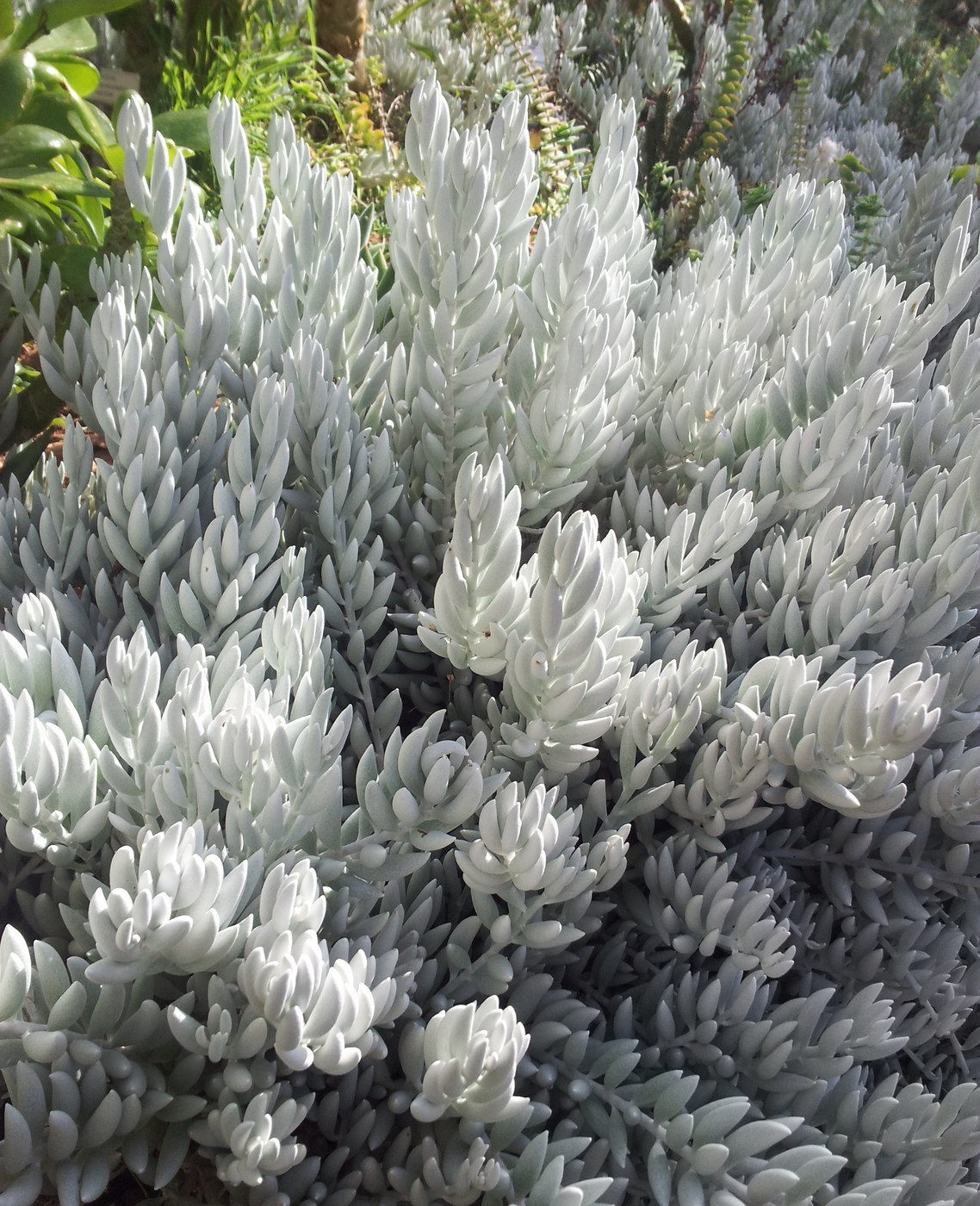
Ox Tongue
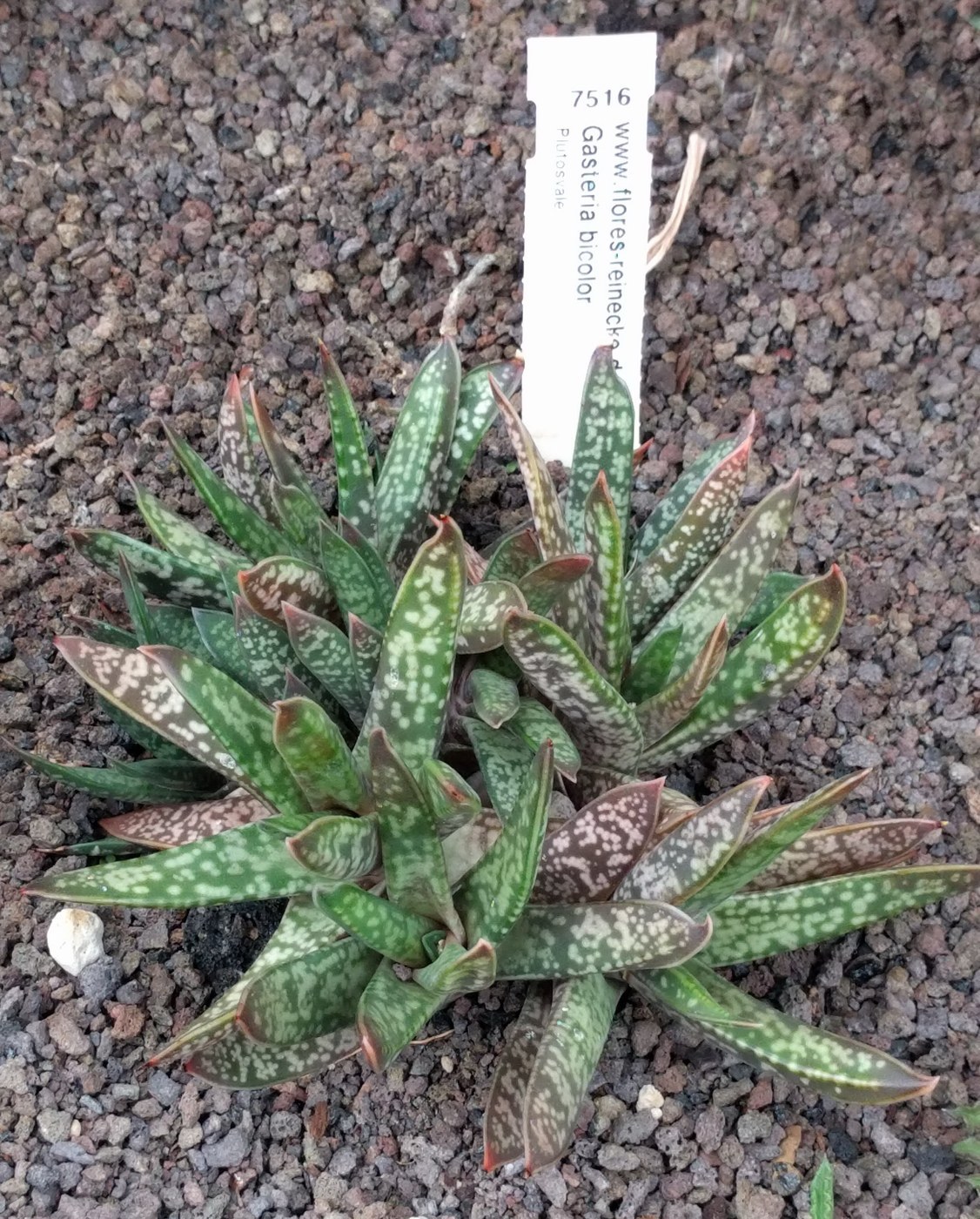
Gasteria bicolor
A low-growing succulent with thick, tongue-shaped leaves arranged in flat fans, often mottled with white spots. Tolerant of low light, making it an easy indoor plant.
- Light
- Bright indirect light
- Water
- When soil dries; sparingly
- Difficulty
- Easy
Got a plant like this?
Identify any plant from a photo, free.
Overview
Ox Tongue refers to succulents in the genus Gasteria, named for their long, thick, rough-textured leaves that resemble an animal's tongue. Young plants arrange their leaves in a flat, two-ranked fan that becomes a rosette with maturity.
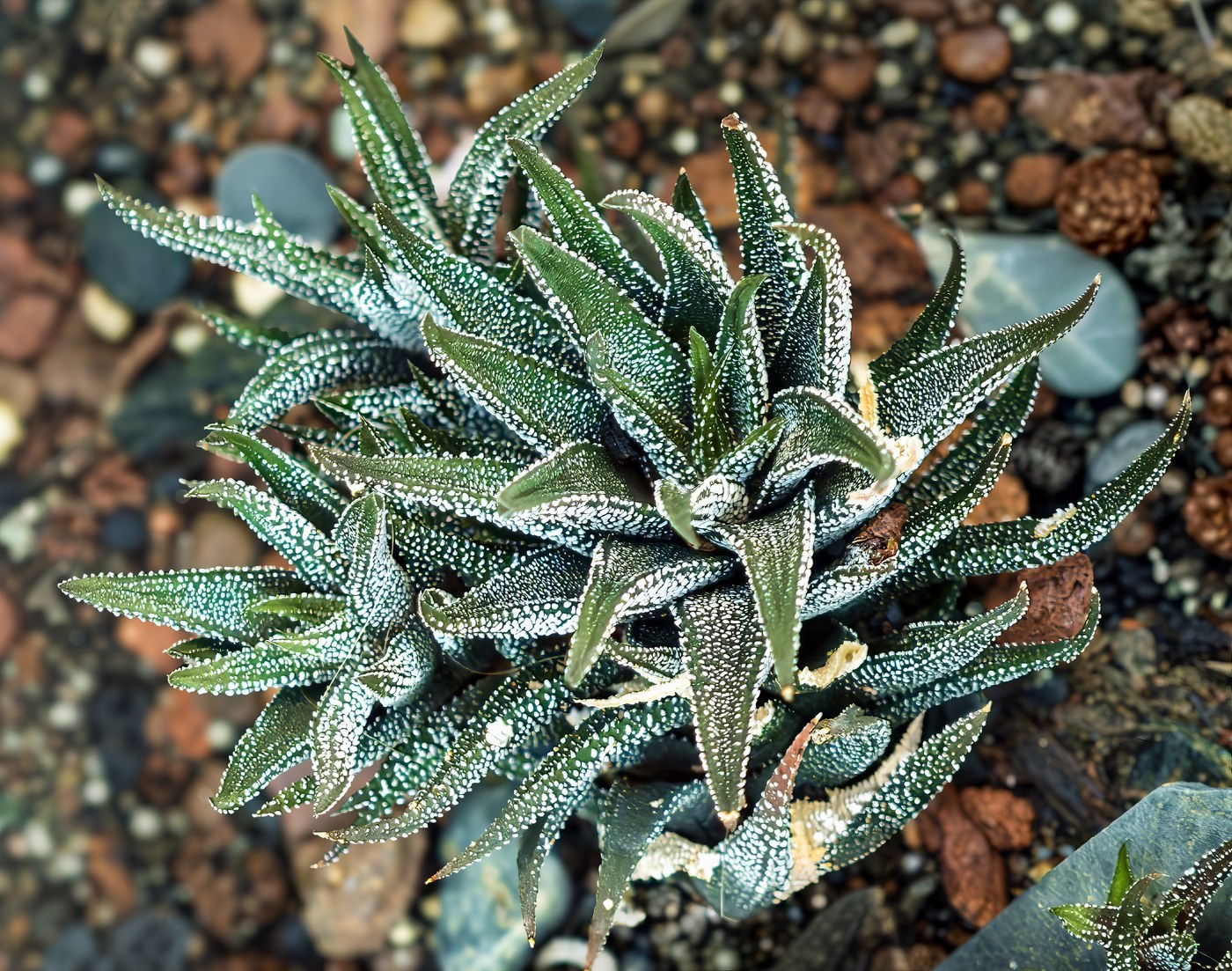
The leaves are typically dark green with bands or scattering of raised white tubercles, giving a warty or speckled appearance. The genus name comes from the stomach-shaped (gaster) curve of its tubular flowers, which hang from tall arching stalks.
Gasterias are slow-growing, tolerant of lower light than most succulents, and forgiving of neglect, making them excellent beginner houseplants.
How to identify it
- Leaves: Thick, strap- or tongue-shaped, blunt-tipped, rough-textured, often dark green with white spots or bands
- Arrangement: Distichous (two-ranked, fan-like) when young, sometimes rosette-forming with age
- Flowers: Curved, stomach-shaped tubular flowers in red, pink, and green on tall arching stalks
- Size: Most stay low, roughly 4-12 in tall
- Habit: Clumping, producing offsets at the base
Care & growing
Light: Bright indirect light is ideal; it tolerates lower light better than most succulents but can scorch in harsh direct sun.
Water: Water when the soil is dry; it stores water in its leaves and is very drought tolerant. Avoid water sitting in the leaf crevices.
Soil: Well-draining succulent mix.
Temperature: Average warm room temperatures; protect from frost.
Feeding: Light feeding once or twice in the growing season.
Propagation: Easily from offsets or leaf cuttings.
Habitat & origin
Gasteria species are native to South Africa, where they grow in shaded, rocky positions, often sheltered under shrubs or in rock crevices rather than full exposure.
This shade-tolerant habitat is why ox tongues handle indoor light so well. They are widely grown as houseplants and in collections worldwide.
Frequently asked questions
Can ox tongue grow in low light?
Yes, it is unusually shade tolerant for a succulent because it grows under shrubs in the wild, though bright indirect light is best.
What are the white spots on the leaves?
Those are natural raised tubercles characteristic of gasteria, not a pest or disease.
How do I propagate it?
Remove an offset from the base, or take a leaf cutting; let it callus and root in dry succulent mix.
Why are the leaves wrinkling?
Wrinkled, soft leaves usually signal underwatering; give it a thorough drink once the soil is dry.
Ox Tongue guides
In-depth guides for identifying, growing, and caring for Ox Tongue.
How to Care for Ox Tongue
Grow the tough, textured Ox Tongue (Gasteria bicolor) with bright indirect light and sparing water for a slow, forgiving windowsill succulent.
Ox Tongue Identification Guide
Identify Ox Tongue (Gasteria) by its thick, strap-shaped, tongue-like leaves with rough warty texture, usually arranged in two opposite rows.