How to Care for Oxeye Daisy
Oxeye Daisy (Leucanthemum vulgare) is an easy, sun-loving, drought-tolerant perennial with classic white-and-yellow blooms for meadows and borders.
Read the full Oxeye Daisy encyclopedia entry →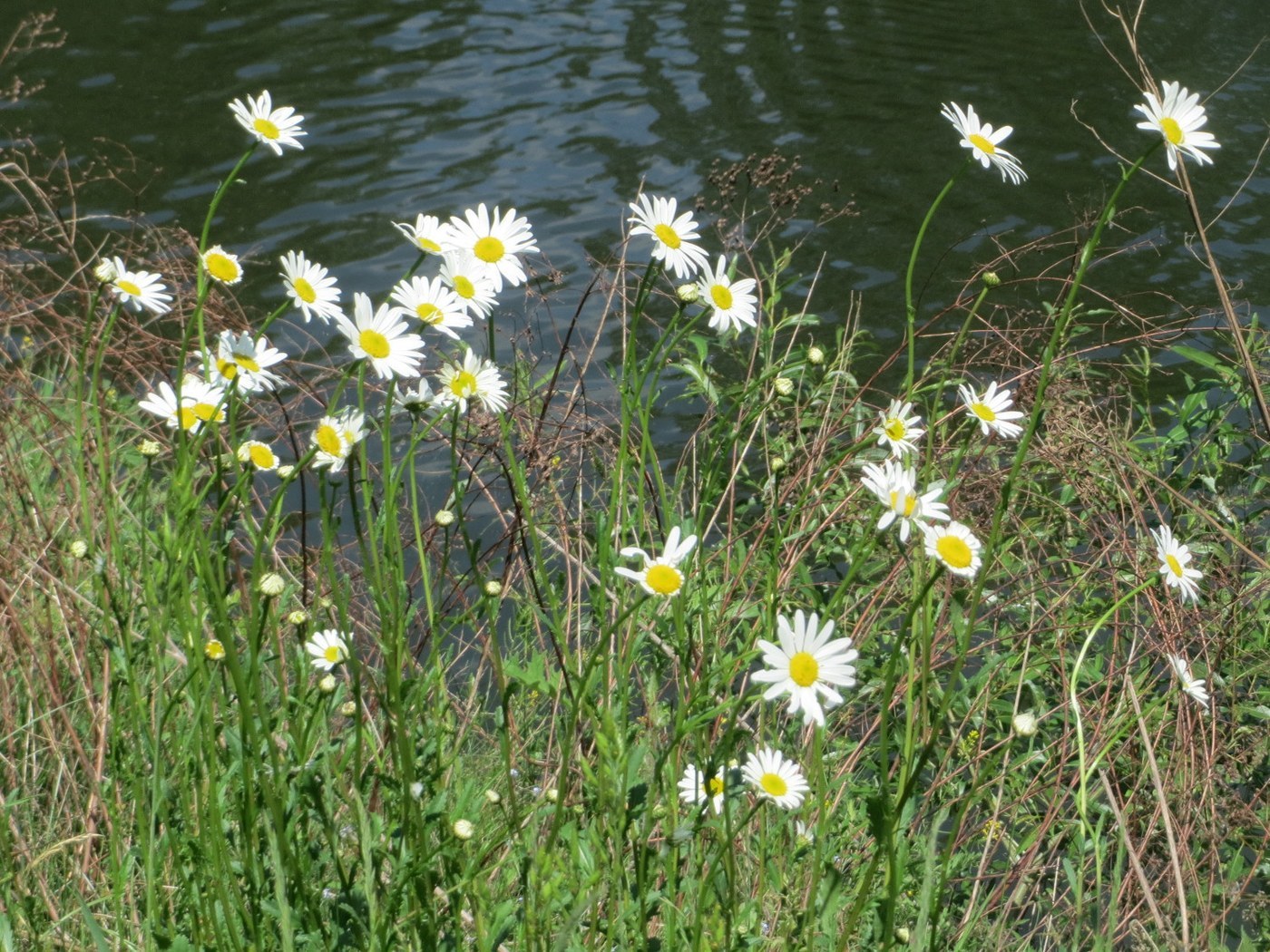
The Oxeye Daisy (Leucanthemum vulgare) is a cheerful, hardy perennial that produces the classic white-petaled, yellow-centered daisy flower in early to midsummer. Undemanding and drought-tolerant, it is a mainstay of wildflower meadows, cottage borders, and naturalized plantings.
Light
Oxeye Daisy demands full sun for the most abundant flowering and sturdy, upright stems. In shade it grows leggy, flops, and blooms sparsely. Give it the sunniest spot you have.
Water
Water needs are low. Once established, this is a genuinely drought-tolerant plant that gets by on natural rainfall in most climates. Water young plants until their roots take hold, then only during extended dry periods. It dislikes constantly wet feet, and soggy soil shortens its life.
Soil & Potting
It thrives in average to poor, well-drained soil and actually flowers best where the ground is lean rather than rich. It tolerates a broad pH range and does well in gritty, sandy, or rocky sites. Avoid heavy, waterlogged clay. No enrichment is needed; overly fertile soil produces floppy, leaf-heavy plants with fewer blooms. In containers use a free-draining, low-fertility mix.
Humidity & Temperature
Oxeye Daisy is very cold-hardy and thrives in temperate climates with warm summers and cold winters. It needs no special humidity and copes well with wind and exposed sites. It goes dormant over winter and returns reliably in spring.
Feeding
Feeding is largely unnecessary and can be counterproductive. Rich diets push soft, sprawling growth at the expense of flowers. At most, a very light feed of balanced fertilizer in spring on truly impoverished soil is enough. In good garden soil, skip feeding entirely.
Propagation
Propagate easily by seed sown in spring or autumn, by division of established clumps in spring or early autumn, or by natural self-seeding, which it does freely. Division every couple of years keeps clumps vigorous and multiplies your stock quickly.
Repotting / Pruning
Deadhead spent flowers to prolong blooming and to reduce prolific self-seeding where you want to keep it in check. Cut plants back after the main flush to tidy the clump and sometimes trigger a lighter second bloom. Lift and divide crowded clumps every two to three years in spring. Container plants can be repotted or divided at the same time.
Common Problems & Pests
Oxeye Daisy is robust and generally pest-free. Aphids may cluster on soft new growth, and leaf miners can trace pale trails through the foliage. In damp, crowded conditions powdery mildew or leaf spot may appear; improve air circulation and avoid overhead watering. Root rot occurs only in poorly drained, waterlogged soil. Its vigorous self-seeding can make it spread further than intended, so deadhead to control it.
Seasonal Care Tips
Sow or plant in spring or autumn. Enjoy the main flowering in early to midsummer, deadheading through the season to extend it. Cut back after flowering and divide congested clumps in early autumn. Leave the crown to rest over winter, when it dies back and re-emerges the following spring.
Frequently asked questions
Why won't my Oxeye Daisy flower well?
The usual causes are too much shade or overly rich soil. Move it to full sun and stop feeding; lean, sunny conditions produce the most abundant blooms.
How do I keep Oxeye Daisy from spreading everywhere?
It self-seeds freely, so deadhead spent flowers before seed sets and pull unwanted seedlings. Removing flower heads is the simplest way to control its spread.
Should I fertilize Oxeye Daisy?
Rarely. It flowers best in poor to average soil, and rich feeding produces floppy, leafy plants with fewer flowers. Skip feeding in decent garden soil.
How often should I divide Oxeye Daisy?
Every two to three years in spring or early autumn. Division keeps the clumps vigorous, prevents the center from thinning out, and gives you free new plants.
Oxeye Daisy identified by the community
Recent Oxeye Daisy specimens identified with Plant Identifier.