How to Care for Panda Plant
Grow Panda Plant (Kalanchoe tomentosa), an easy fuzzy-leaved succulent with silvery, brown-edged foliage.
Read the full Panda Plant encyclopedia entry →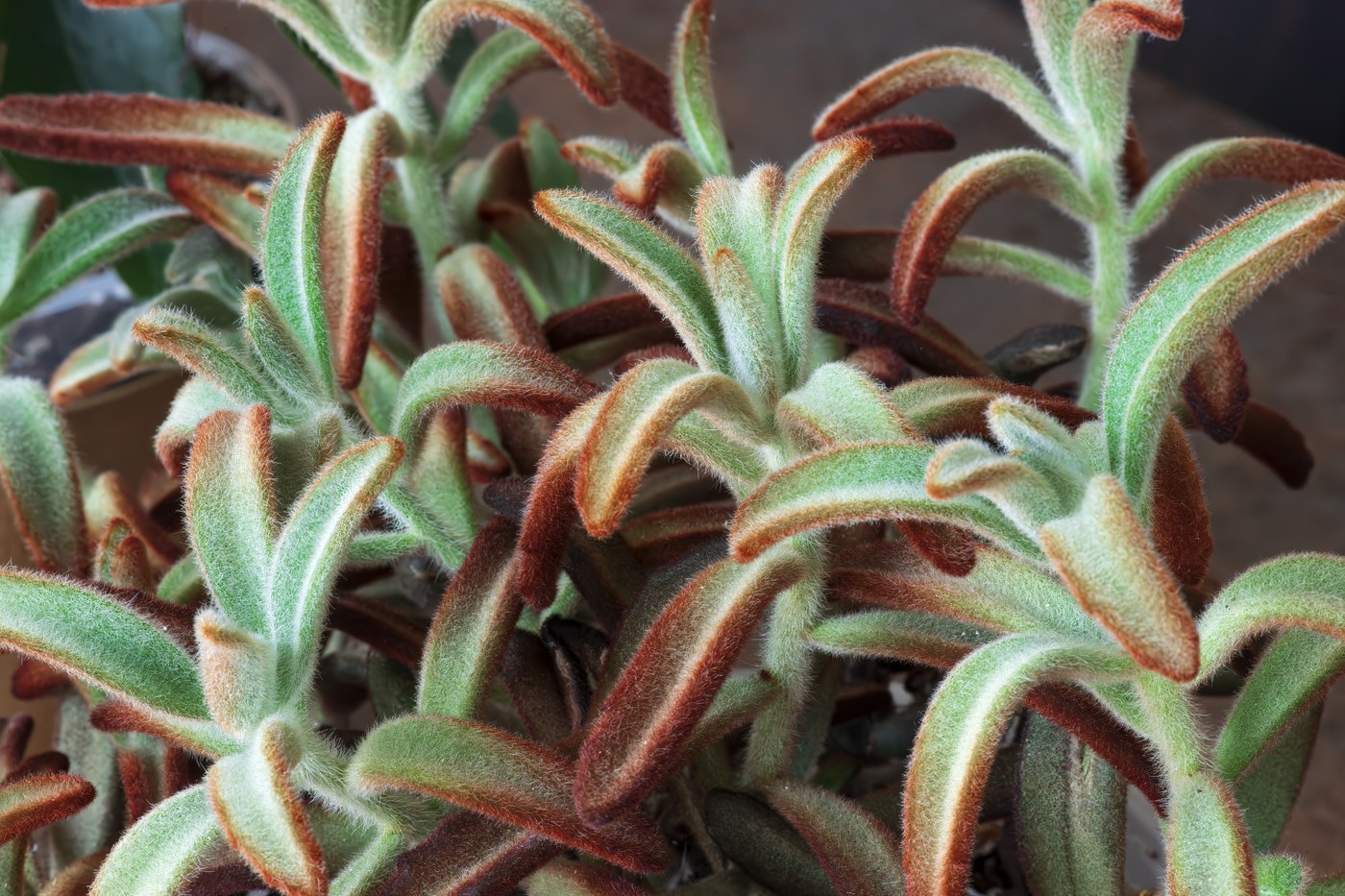
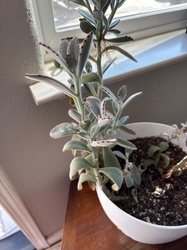
Panda Plant (Kalanchoe tomentosa) is a charming succulent grown for its thick, fuzzy, silvery-green leaves edged with chocolate-brown felted margins. It is an easy, forgiving houseplant that thrives on bright light and minimal watering.
Light
Provide bright indirect light with some direct sun. A sunny windowsill with a few hours of gentle direct light keeps the fuzzy foliage compact and well colored. In too little light the plant stretches and grows leggy. Introduce it to strong direct midday sun gradually to avoid scorching the felted leaves.
Water
Water sparingly and let the soil dry out thoroughly between waterings. As a succulent, Panda Plant stores water in its leaves and is highly susceptible to rot from overwatering. Water more in the active growing season and much less in winter. Water at the base and avoid wetting the fuzzy leaves, which can trap moisture and mark.
Soil & Potting
Use a fast-draining, gritty succulent or cactus mix. Improve regular potting soil with plenty of perlite, pumice, or coarse sand. Always plant in a pot with a drainage hole; terracotta helps wick away excess moisture and prevents soggy roots.
Humidity & Temperature
Panda Plant prefers warm, dry conditions and average-to-low household humidity. Keep it comfortably warm and protect it from cold drafts and frost, as it is not cold-hardy. Avoid damp, stagnant air, which encourages rot and fungal spots on the fuzzy foliage.
Feeding
Feed lightly. A diluted, balanced or cactus fertilizer once or twice during the spring and summer growing season is plenty. Do not feed in winter when growth naturally slows.
Propagation
Propagate easily from leaf or stem cuttings. Remove a healthy leaf or short stem, let the cut end callus over for a day or two, then set it on or in barely moist succulent mix. Roots and small plantlets form at the base. Water sparingly until established.
Repotting / Pruning
Repot every couple of years or when rootbound, in spring, moving up one pot size into fresh gritty mix. Let the plant settle before watering after repotting. Prune leggy stems to encourage bushier growth, and the trimmings can be rooted as new plants.
Common Problems & Pests
Overwatering is the main threat, causing soft, mushy, blackening stems and root rot; ease off water and improve drainage. Watch for mealybugs nestled in the leaf axils and among the fuzz, plus occasional aphids or scale; treat promptly. Leggy, pale growth signals insufficient light. Brown mushy spots often follow water sitting on the felted leaves.
Seasonal Care Tips
In spring and summer, give bright light, water when the soil is dry, and feed lightly during active growth. In autumn, reduce watering as growth slows. In winter, keep it warm, water very sparingly, and provide the brightest light available to prevent stretching.
Frequently asked questions
How often should I water a Panda Plant?
Water sparingly, only when the soil has dried out completely, then less in winter. As a succulent it is very prone to rot, so err on the side of underwatering.
Why is my Panda Plant getting leggy?
Leggy, stretched growth means it is not getting enough light. Move it to a brighter spot with some gentle direct sun and prune back the leggy stems to encourage bushier growth.
What soil is best for a Panda Plant?
A fast-draining, gritty succulent or cactus mix. Add perlite, pumice, or coarse sand, and always use a pot with a drainage hole.
How do I propagate a Panda Plant?
Take a leaf or stem cutting, let the cut end callus for a day or two, then place it on barely moist succulent mix. Roots and plantlets form at the base with sparing watering.
Panda Plant identified by the community
Recent Panda Plant specimens identified with Plant Identifier.