
How to Care for Paper Bark Birch
Grow the striking white-barked paper birch with sun, cool moist soil, and careful timing of pruning for a graceful landscape tree.
Read the full Paper Bark Birch encyclopedia entry →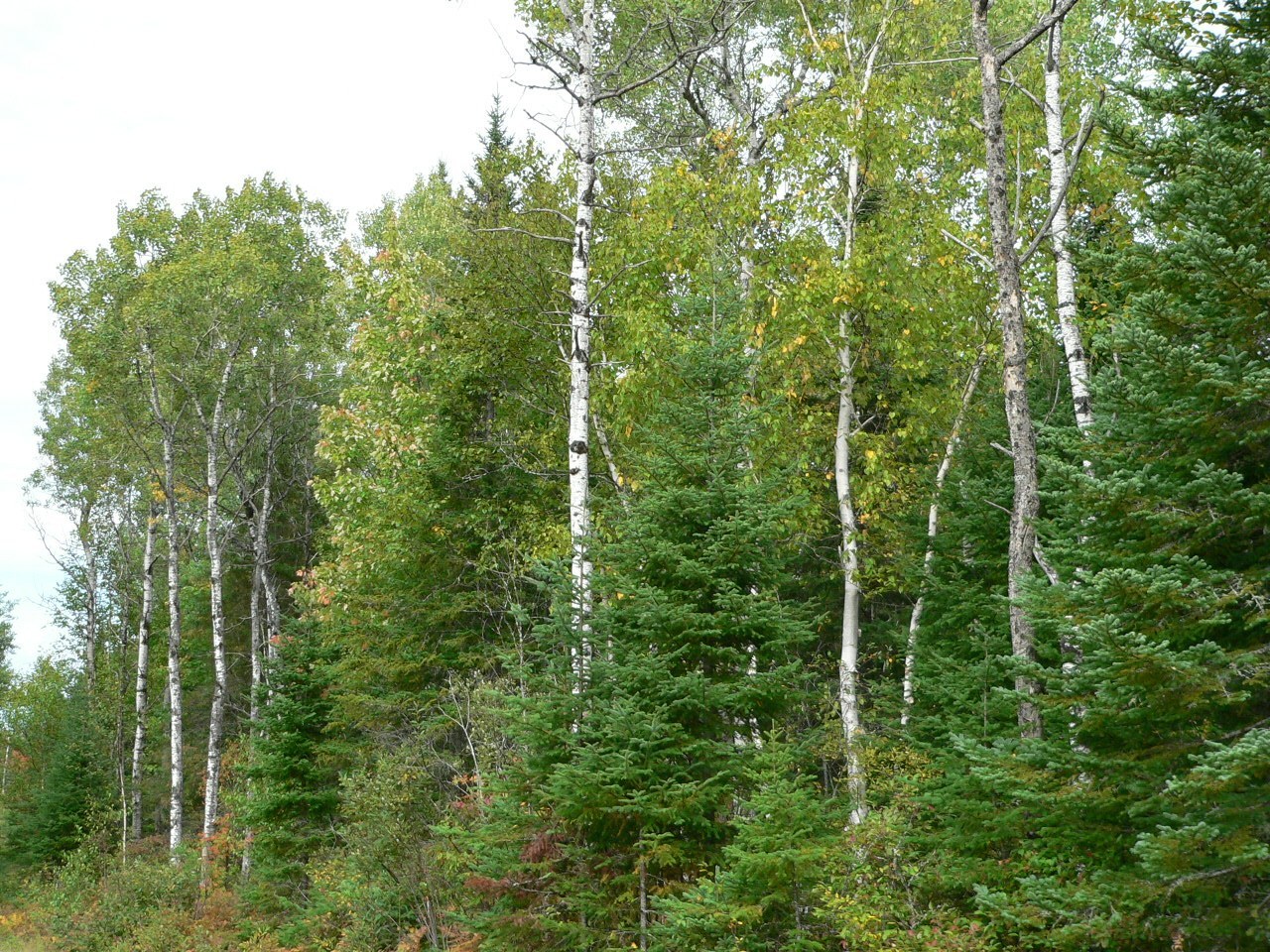
The paper bark birch (Betula papyrifera) is a graceful, cold-climate deciduous tree celebrated for its peeling, chalk-white bark and airy canopy of fluttering leaves that turn golden in autumn. It is a moderate-care landscape tree that thrives where roots stay cool and moist and struggles in heat and drought.
Light
Paper birch grows in full sun to partial shade, performing best with plenty of light overhead while its roots remain cool and shaded. In the wild it is a pioneer of open, sunny sites, so give it good light for a strong, well-shaped canopy. Underplanting or mulching to shade the root zone mimics its natural preference for a cool root run beneath a sunny crown.
Water
Provide moderate, steady moisture; this birch prefers cool, consistently moist soil and is not drought tolerant. Its shallow roots suffer in hot, dry conditions, leading to stress, thinning canopies, and susceptibility to pests. Water deeply during dry spells, especially in the first years and in summer heat. A generous organic mulch over the root zone conserves moisture and keeps the soil cool.
Soil & Potting
Paper birch favors moist, well-drained, slightly acidic soils rich in organic matter. It dislikes hot, compacted, or alkaline ground, which can cause chlorosis and decline. Loamy or sandy soils that hold moisture without waterlogging are ideal. When planting, dig a wide hole, incorporate organic matter, and mulch generously afterward. As a large landscape tree it is grown in the ground rather than as a long-term container plant.
Humidity & Temperature
This is a northern, cold-hardy tree fully at home in harsh winters and cool summers. It is well adapted to cold but poorly suited to hot, humid climates, where heat stress shortens its life and invites borers. Cool summers and cold winters give the best results. Choosing a site with cool root conditions is the single most important factor for success in warmer areas.
Feeding
Paper birch is a modest feeder. In good, organically rich soil it often needs little supplemental fertilizer. If growth is weak or foliage pale, apply a balanced or slightly acidic fertilizer in early spring, and address any chlorosis from alkaline soil. Maintaining a thick organic mulch that breaks down over time supplies steady, gentle nutrition and is often all the feeding an established tree requires.
Propagation
Paper birch is typically propagated from seed, which is fine and needs a period of cold, moist stratification to germinate; sow the tiny seeds on the surface of a moist medium in a cool setting. Softwood cuttings can be attempted in early summer but root unreliably. For most gardeners, buying a nursery-grown sapling or starting from stratified seed are the practical routes.
Repotting / Pruning
Prune birches only in summer or late in the dormant season toward spring, never in late winter or early spring when the sap is rising, because cut wounds bleed sap heavily then. Remove dead, damaged, or crossing branches to maintain structure while the tree is young. Keep pruning minimal and make clean cuts. Because it is a landscape tree, repotting does not apply; focus instead on protecting the root zone.
Common Problems & Pests
The most serious threat is the bronze birch borer, which attacks stressed, heat- or drought-weakened trees and can be fatal; keeping the tree cool, watered, and vigorous is the best defense. Birch leaf miners disfigure foliage, and aphids may appear. Leaf yellowing or chlorosis signals alkaline or poor soil. Thinning canopies and dieback usually trace back to heat and drought stress on the shallow roots.
Seasonal Care Tips
In spring, refresh mulch and check for early pest activity, and avoid pruning as sap rises. Through summer, water deeply during dry weather to keep roots cool and moist, and do any needed pruning now. In autumn, enjoy the golden color and ensure the tree goes into winter well watered. In winter, the striking white bark is a highlight; the tree is fully cold hardy and needs little attention.
Frequently asked questions
Why is my paper birch's canopy thinning and dying back?
Thinning and dieback usually mean heat and drought stress on the tree's shallow roots, which also opens the door to bronze birch borer. Keep the root zone cool and moist with deep watering and thick mulch, and site the tree where summers are not too hot.
When is the right time to prune a birch?
Prune in summer or late in the dormant season toward spring, but never in late winter or early spring when sap is rising, as cut wounds bleed heavily then. Remove dead, damaged, or crossing branches and keep pruning to a minimum with clean cuts.
Why are the leaves on my birch turning yellow?
Yellowing, or chlorosis, often points to alkaline or poor soil, since paper birch prefers moist, slightly acidic ground rich in organic matter. It can also reflect heat or drought stress. Improve the soil, mulch well, and keep the roots cool and consistently moist.
Can I grow paper birch in a hot climate?
It is challenging. Paper birch is a northern tree adapted to cool summers and cold winters, and heat shortens its life while inviting borers. If you try it in a warmer region, choose the coolest, most sheltered spot, shade and mulch the roots, and water generously.