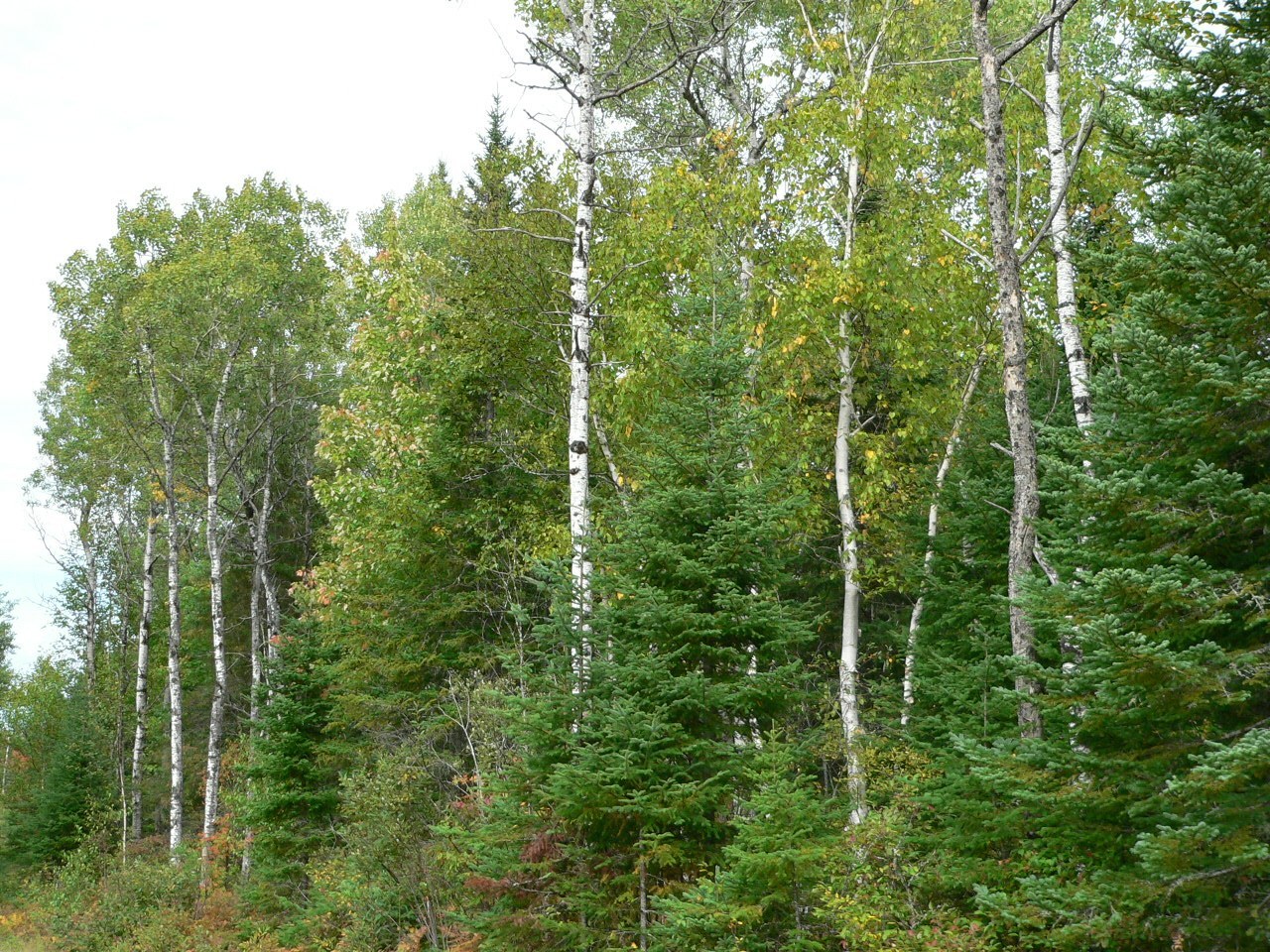
Paper Bark Birch
Betula papyrifera
A graceful northern tree famous for its peeling, papery white bark and fluttering golden fall foliage. Its bark was traditionally used by Indigenous peoples to build canoes.
- Light
- Full sun to partial shade
- Water
- Moderate; prefers cool, moist soil
- Difficulty
- Moderate
Got a plant like this?
Identify any plant from a photo, free.
Overview
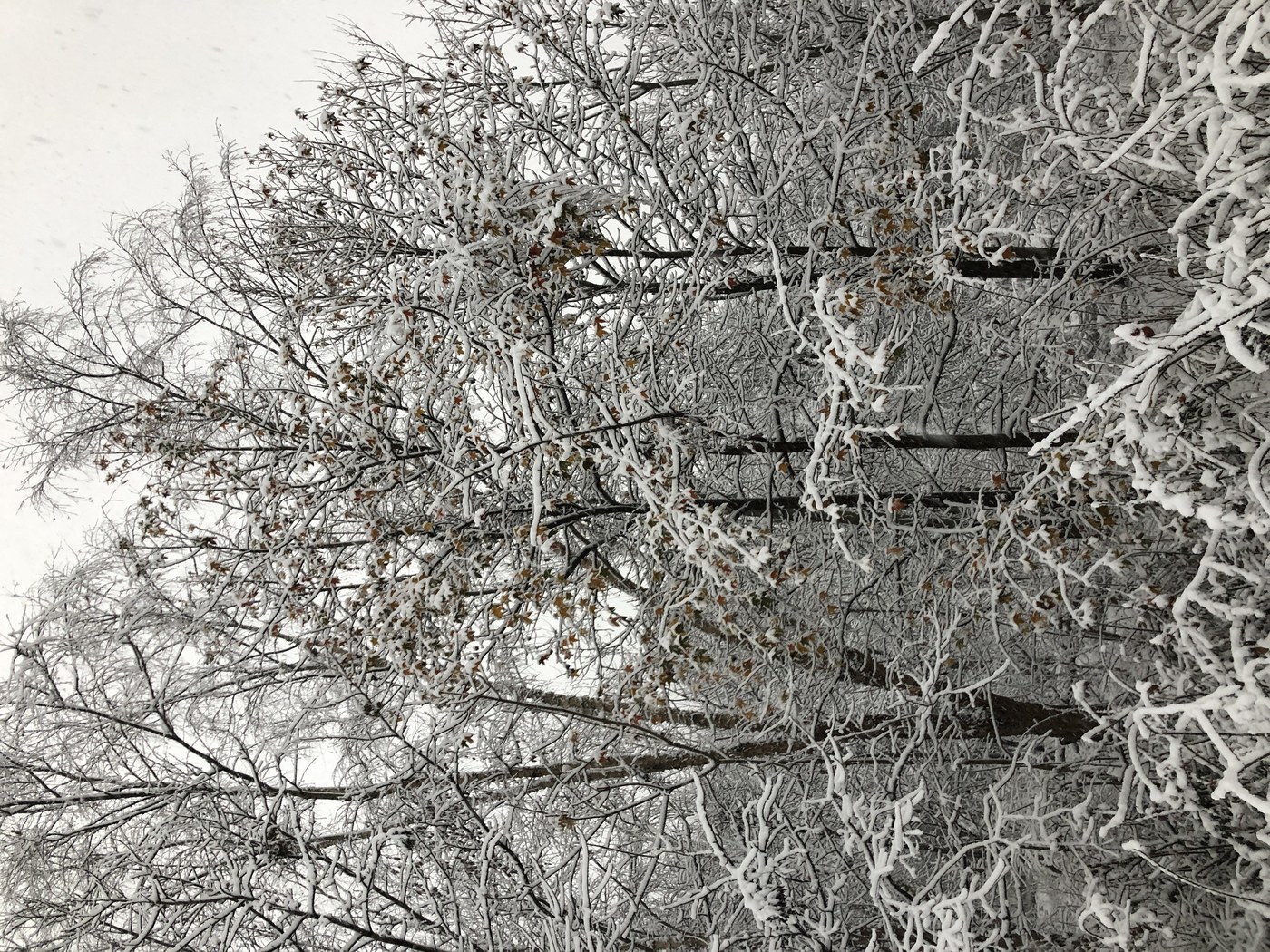
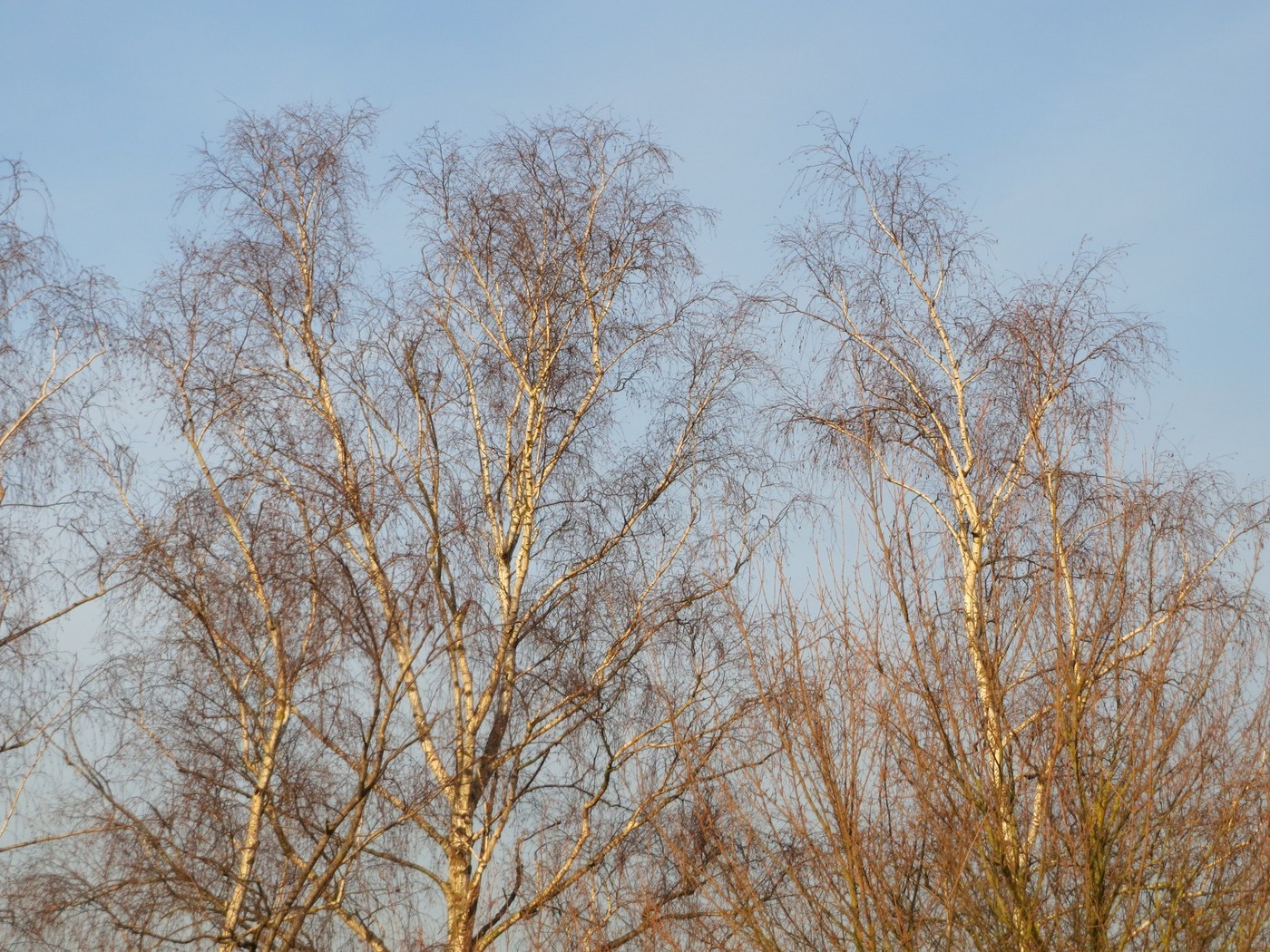
The paper birch, Betula papyrifera, is a medium-sized deciduous tree celebrated for its striking white bark that peels away in thin, papery, horizontal sheets. The bark, marked with dark horizontal lenticels, is the tree's signature ornamental feature, glowing white against winter snow.
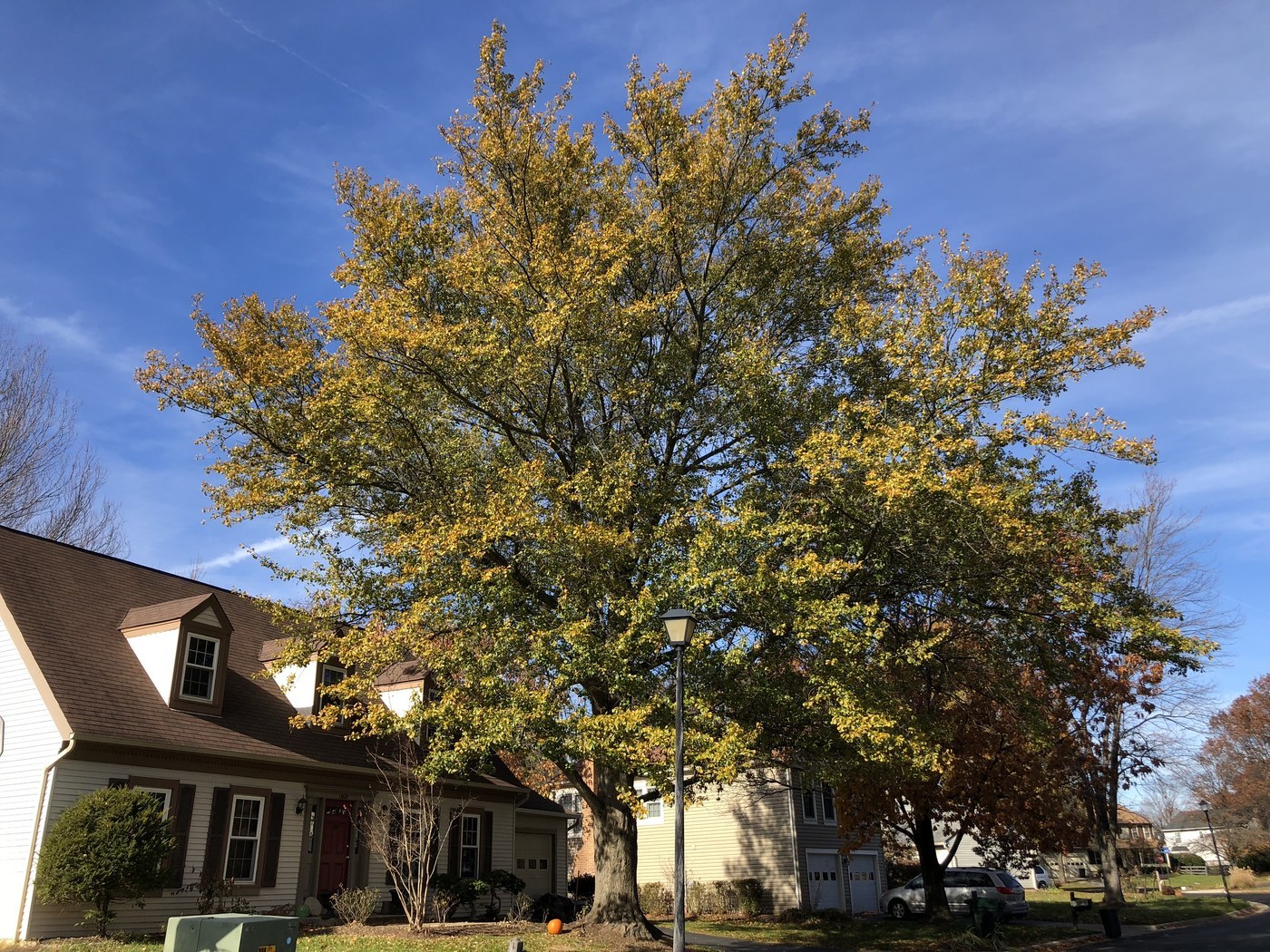
It grows 50-70 ft (15-21 m) tall with an open, somewhat pyramidal to oval crown and slender branches. The small, oval leaves turn clear yellow in autumn.
A hardy tree of the cold north, paper birch is relatively short-lived and is happiest in cool climates with moist soil.
How to identify it
- Bark: Chalky to creamy white, peeling in thin papery horizontal strips, with dark lenticels; orange-brown on young trees before it whitens
- Leaves: Oval to triangular, doubly toothed, 2-4 in (5-10 cm), turning bright yellow in fall
- Habit: Medium tree, 50-70 ft, with an open oval to pyramidal crown
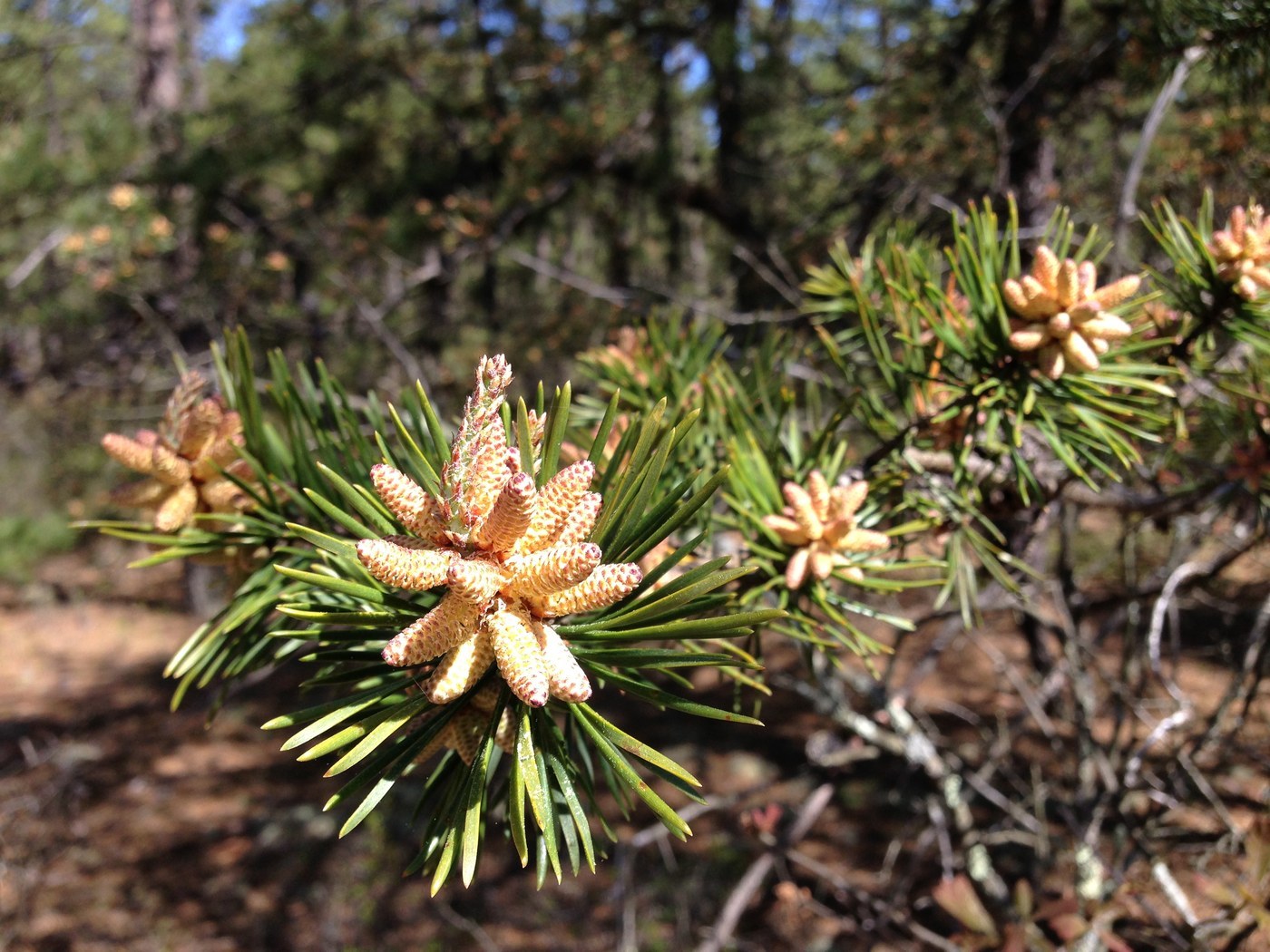
- Catkins: Drooping male catkins and shorter female catkins in spring
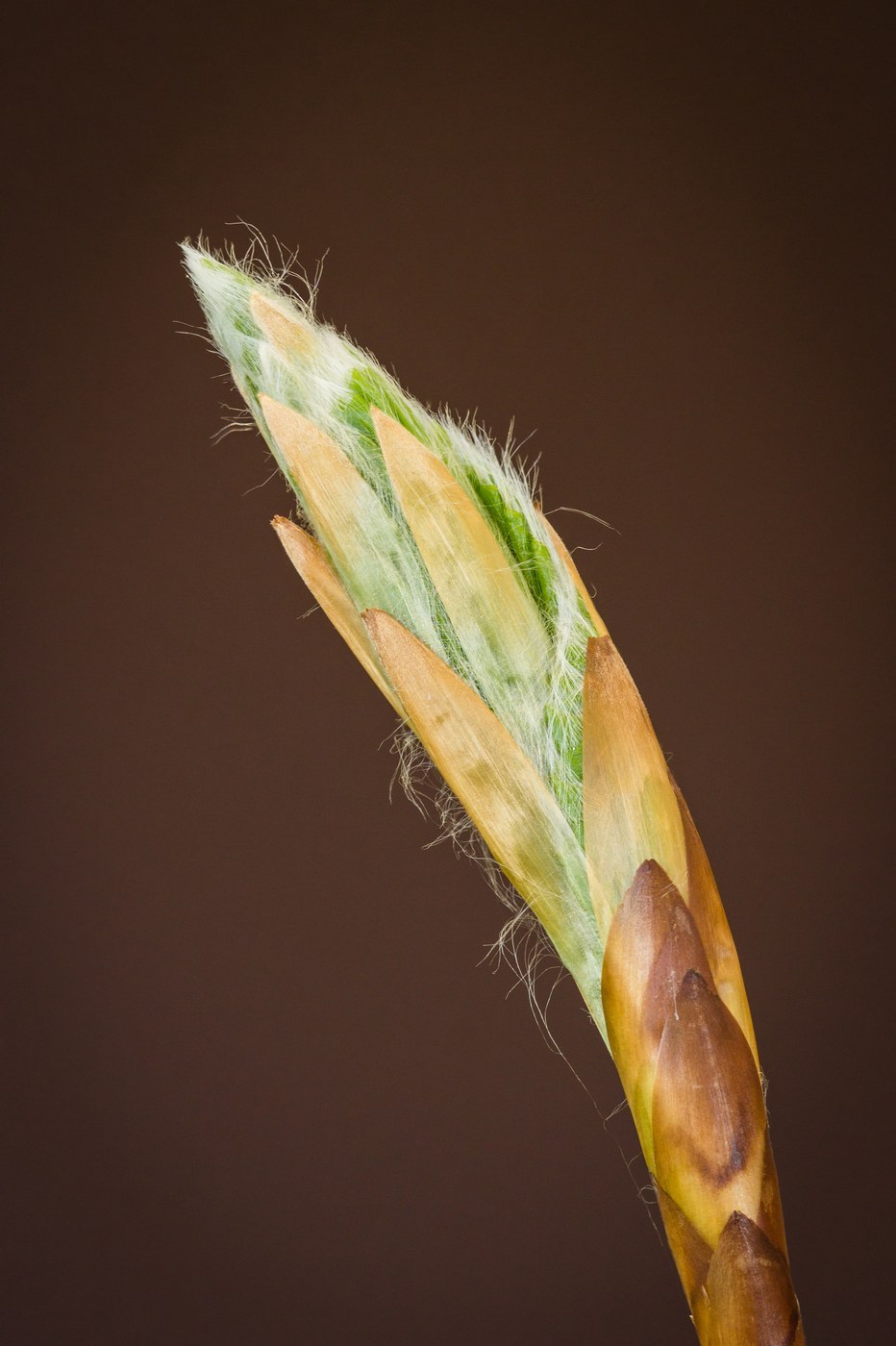
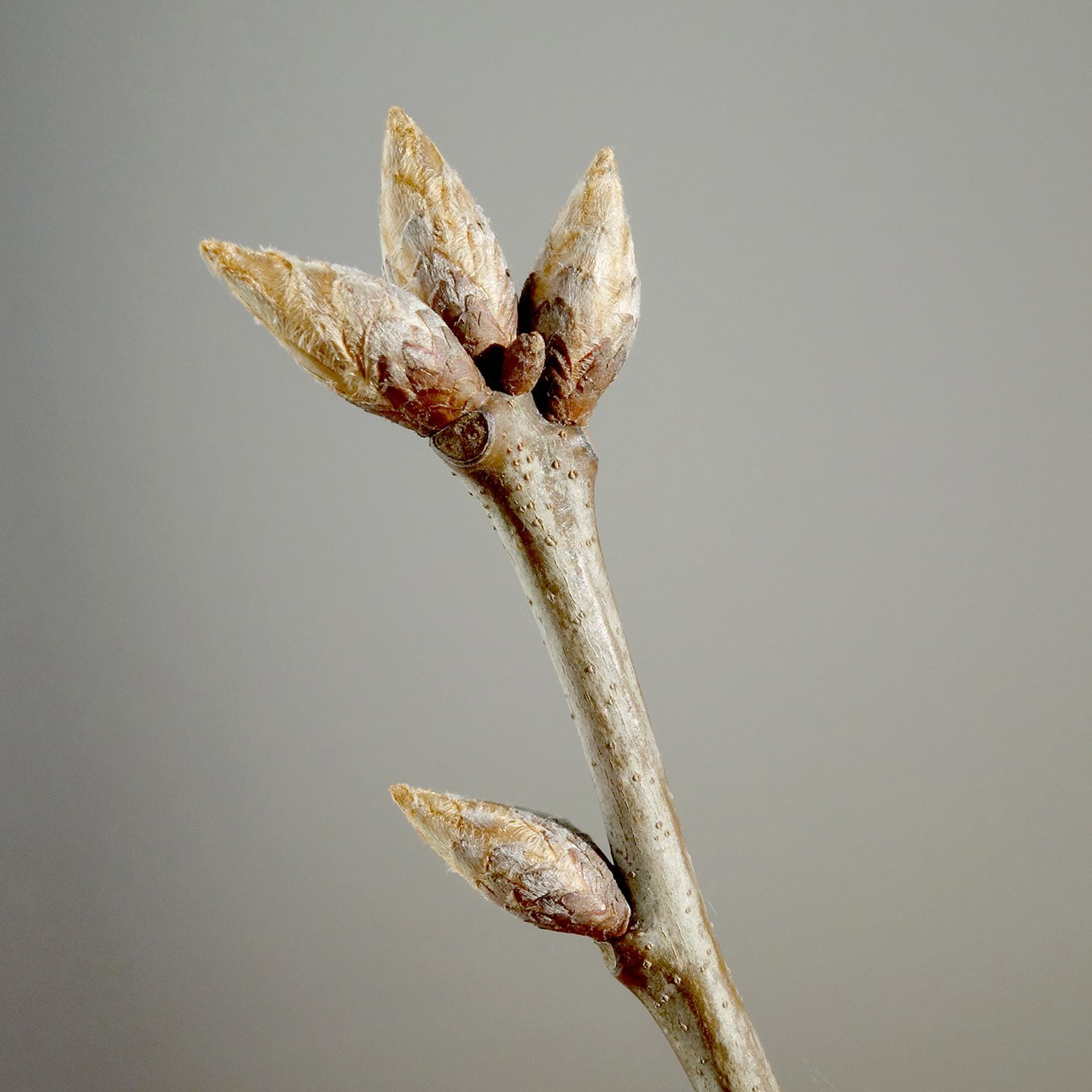
- Twigs: Slender, often with a faint wintergreen scent when scratched
Care & growing
Light: Full sun to partial shade.
Water: Prefers cool, consistently moist soil; mulch the root zone and water in drought, as it is shallow-rooted and sensitive to heat and dryness.
Soil: Best in moist, well-drained, acidic, sandy or loamy soils.
Temperature: Very cold-hardy (USDA zones 2-6); struggles in hot southern climates.
Feeding: Light feeding if growth is weak; keep roots cool and moist.
Pruning & propagation: Prune in summer or fall, never in spring when it 'bleeds' sap heavily. Propagate by seed. Stress from heat and drought predisposes it to the bronze birch borer.
Habitat & origin
Betula papyrifera is native to northern North America, spanning the boreal forests from Alaska and Canada south into the northern United States. It is a pioneer species that quickly colonizes burned or cleared land.
It grows in cool, moist woodlands, along streams, and on hillsides. It is widely planted as an ornamental in cold-climate gardens for its bark and form, though it performs poorly in hot regions.
Frequently asked questions
Why is my paper birch dying from the top down?
Dieback from the top is often a sign of the bronze birch borer, which attacks trees stressed by heat and drought. Keeping the roots cool and moist greatly reduces the risk.
Can I grow paper birch in a hot climate?
Not well. Paper birch is a cold-climate tree (USDA zones 2-6) and suffers in hot southern regions; consider river birch as a heat-tolerant alternative.
When does the bark turn white?
Young paper birches have brownish bark; the characteristic peeling white bark develops as the tree matures, usually after several years.
Does peeling the bark harm the tree?
Peeling living bark can wound the tree and expose it to disease, so it is best to collect bark only from fallen or pruned wood.
Paper Bark Birch guides
In-depth guides for identifying, growing, and caring for Paper Bark Birch.
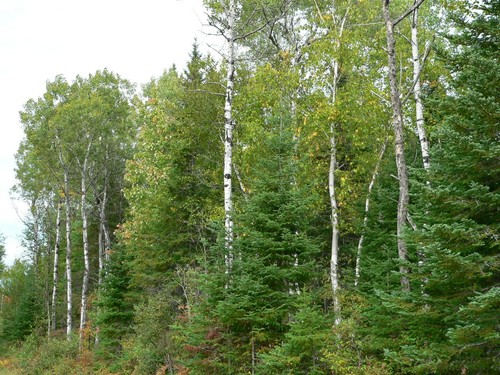
How to Care for Paper Bark Birch
Grow the striking white-barked paper birch with sun, cool moist soil, and careful timing of pruning for a graceful landscape tree.
Paper Bark Birch Identification Guide
Identify the paper birch (Betula papyrifera) by its peeling, chalky-white bark, doubly toothed triangular leaves, and slender dangling catkins.