
Paper Bark Birch Identification Guide
Identify the paper birch (Betula papyrifera) by its peeling, chalky-white bark, doubly toothed triangular leaves, and slender dangling catkins.
Read the full Paper Bark Birch encyclopedia entry →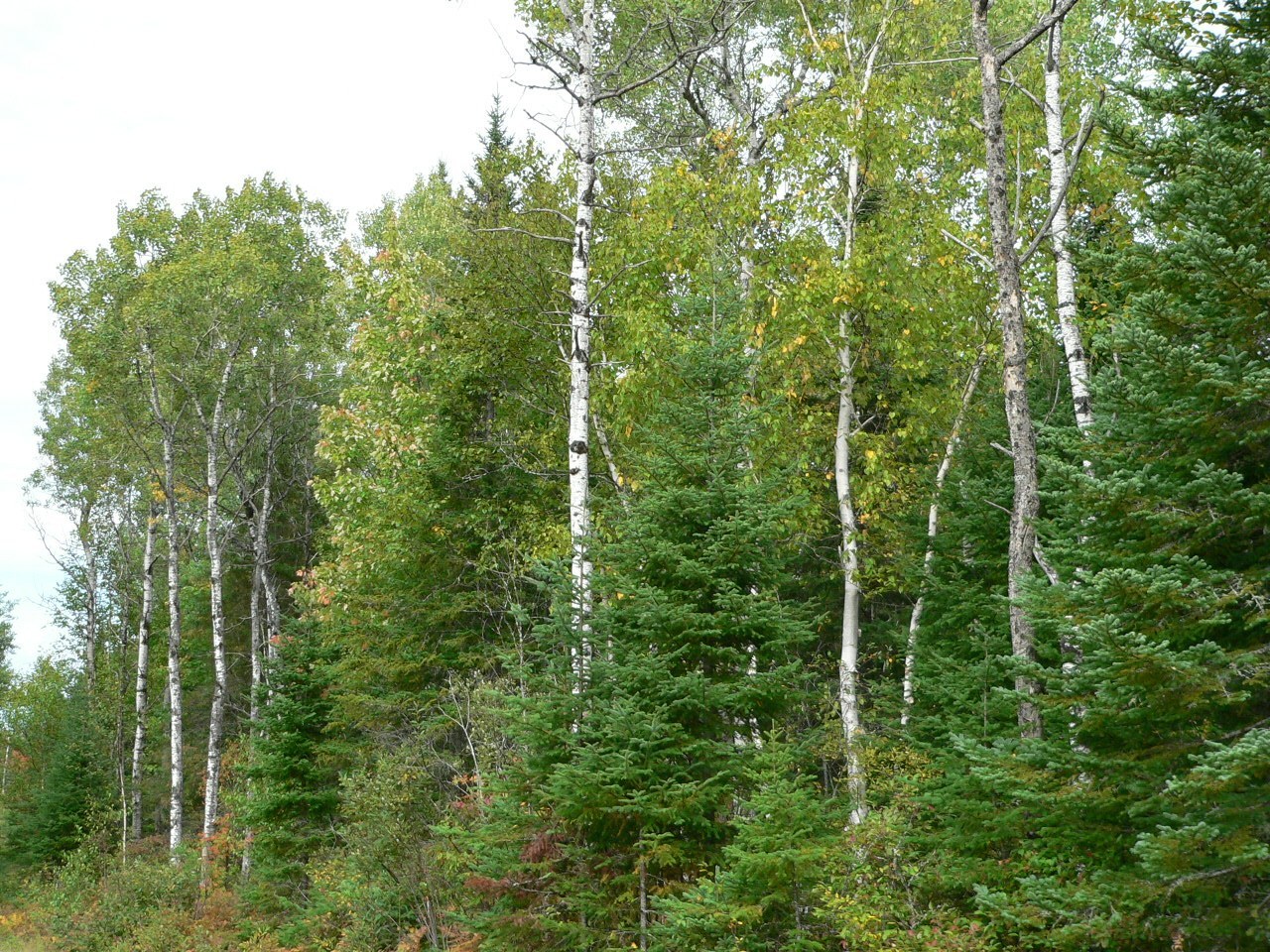
Key Identifying Features
The paper birch or paperbark birch (Betula papyrifera), also called canoe birch or white birch, is a medium deciduous tree famous for its bright white bark that peels off in thin, papery, horizontal sheets. This exfoliating chalky-white bark is the single most recognizable feature.
- Size & form: 50–70 ft tall, with a narrow, oval-to-pyramidal crown and a slender trunk, often growing in clumps.
- Bark: Creamy to chalky white with dark horizontal lenticel lines, peeling in curling papery strips to reveal pale orange-tan beneath. Young trees start reddish-brown before whitening.
Leaves & Stems
Leaves are simple, alternate, oval to triangular (ovate), 2–4 inches long, with a pointed tip, rounded base, and doubly serrated margins (large teeth with smaller teeth on them)—a key birch trait. They are dull dark green above, paler below, with 5–9 vein pairs, turning clear yellow in fall. Twigs are slender and lack the strong wintergreen smell of some other birches.
Flowers & Fruit
- Flowers (spring): Borne as catkins. Male catkins are long (2–4 in), drooping, yellowish-brown, formed the previous fall; female catkins are shorter, upright, greenish.
- Fruit: The female catkins ripen into cylindrical, drooping seed catkins ("cones") about 1–2 inches, which disintegrate to release tiny two-winged nutlets. The winged seeds and three-lobed scales are typical of birches.
How to Tell It Apart from Look-Alikes
- Gray birch (B. populifolia): Whitish bark too, but it does NOT peel readily, has dark triangular chevrons below branches, and more sharply triangular long-tipped leaves.
- European white birch (B. pendula): More weeping/pendulous twigs and diamond-shaped dark bark fissures; bark peels less.
- Aspen (Populus): Has smooth (non-peeling) greenish-white bark and round, finely toothed fluttering leaves on flat stalks.
- Diagnostic: chalky white bark peeling in papery sheets + doubly toothed ovate leaves + drooping seed catkins.
Where You'll Find It
Native across northern North America—from Alaska and Canada through the northern U.S.—the paper birch is a pioneer of cool, moist woods, burned areas, and lakeshores (USDA 2–6/7). It is widely planted as a landscape tree for its bark but is short-lived and stressed by heat and the bronze birch borer in warm climates.
Quick ID Checklist
- Medium tree, often clumped, narrow oval crown
- Chalky-white bark peeling in papery horizontal sheets
- Doubly serrated ovate-triangular leaves, yellow in fall
- Drooping male catkins; crumbling cylindrical seed catkins
- Cool northern climate; lakeshores and woods
Frequently asked questions
What makes paper birch bark peel?
The white outer bark grows in thin layers that naturally separate and curl away in papery, horizontal sheets, revealing pale orange-tan bark underneath. This peeling is the species' most distinctive feature.
How do I tell paper birch from gray birch?
Paper birch bark peels readily in papery strips, while gray birch bark stays tight and does not peel, and gray birch has dark triangular markings below the branches and narrower, long-pointed leaves.
Should I peel the bark off a living birch?
No. Peeling bark from a living tree exposes the inner bark, leaves permanent dark scars, and can harm the tree. Only naturally shed bark or fallen logs should be collected.
Why do paper birches struggle in hot climates?
They are adapted to cool northern conditions, and heat-stressed trees become vulnerable to the bronze birch borer. They are short-lived and perform poorly in warm southern regions.