How to Care for Paper Birch
Grow the elegant white-barked Paper Birch: full sun to part shade, cool moist soil, and smart siting to keep this graceful tree healthy.
Read the full Paper Birch encyclopedia entry →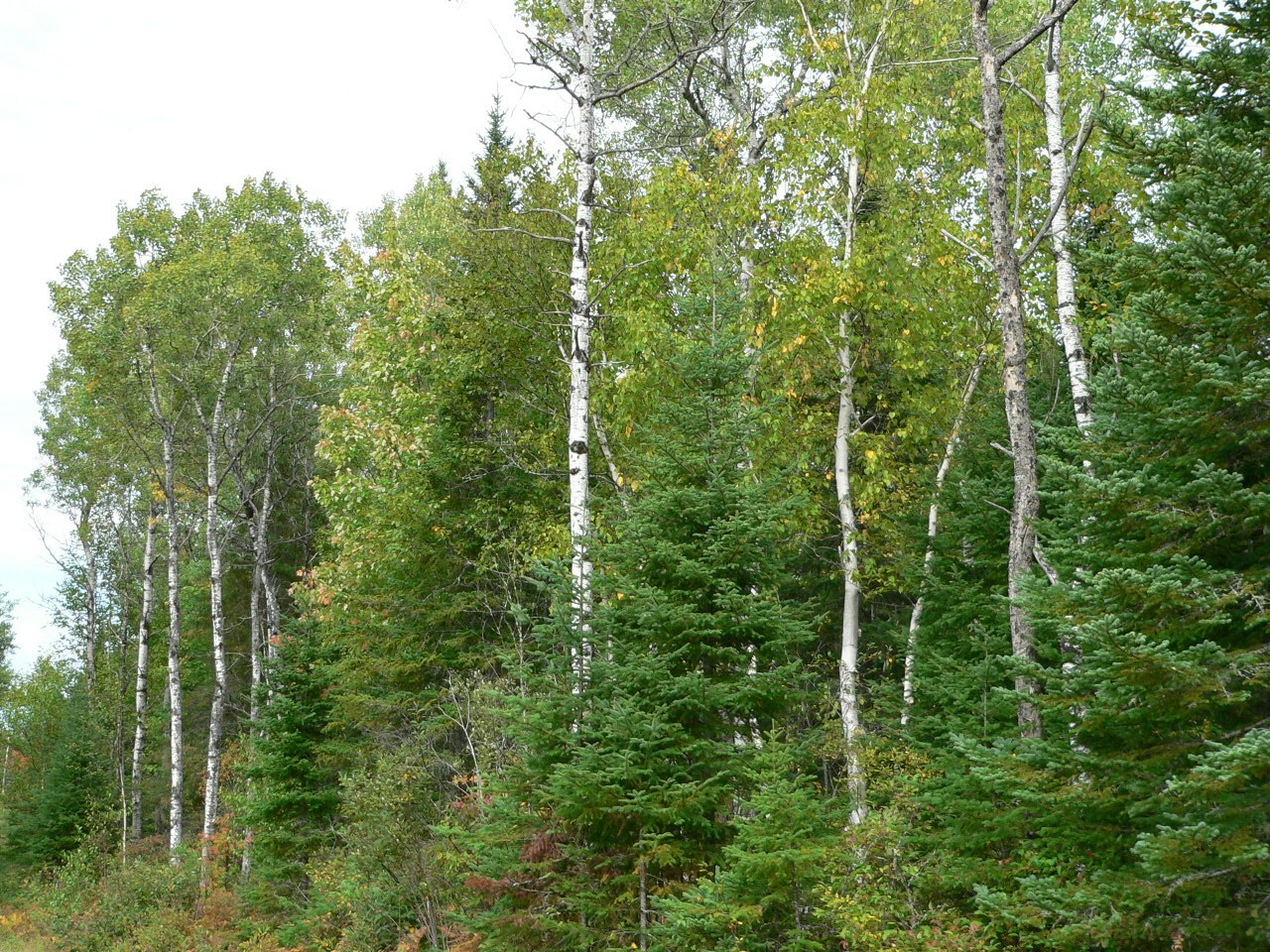
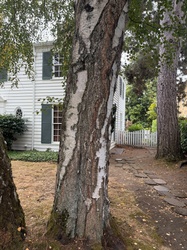
Paper Birch (Betula papyrifera) is a graceful, medium-sized deciduous tree famous for its striking white, peeling bark and airy canopy of fluttering leaves that turn golden yellow in autumn. It is a cool-climate native that rewards attentive siting and moisture management, making it a moderate tree to grow well.
Light
Plant Paper Birch in full sun to part shade. It performs best with plenty of light on the canopy while its roots stay cool and shaded. A classic planting strategy is to keep the crown in sun but shade the root zone with mulch or low plantings, mimicking its natural woodland-edge habitat.
Water
Paper Birch prefers consistently cool, moist soil and has moderate water needs. It is shallow-rooted and sensitive to drought, so water deeply and regularly during dry spells, especially in the first few years and during hot summers. A drought-stressed birch is far more prone to problems, so never let the root zone bake dry. Reduce supplemental watering in cool, wet weather.
Soil & Potting
Grow it in moist, well-drained, slightly acidic soil rich in organic matter. It tolerates sandy or loamy ground as long as moisture is steady, but struggles in hot, compacted, or alkaline soils. Amend poor soil with compost at planting, and maintain a generous ring of organic mulch (kept off the trunk) to conserve moisture and keep roots cool.
Humidity & Temperature
This is a hardy northern tree suited to cold climates, tolerating harsh winters with ease. It dislikes prolonged summer heat, which stresses the roots and invites pests. In warmer regions it is short-lived, so it is best grown where summers stay relatively cool. It needs no humidity management outdoors.
Feeding
Birches are moderate feeders. Apply a balanced or slow-release tree fertilizer in early spring if growth is weak or leaves are pale, and top-dress with compost. Healthy trees in good soil often need little supplemental feeding. Avoid over-fertilizing, which can push soft, pest-prone growth.
Propagation
Paper Birch is propagated from seed collected from the small winged catkins in late summer to fall; seed germinates best with light and a period of cold, moist stratification. It can also be grown from softwood cuttings taken in early summer, though these root unreliably. Most gardeners start with nursery-grown young trees.
Repotting / Pruning
Prune only in summer or late fall when fully leafed out or dormant. Avoid pruning in late winter and early spring, when birches bleed sap heavily from cuts. Remove dead, damaged, crossing, or crowded branches to maintain a strong, open structure. Keep pruning light and let the tree develop its natural graceful form.
Common Problems & Pests
The most serious pest is the bronze birch borer, which attacks stressed and drought-weakened trees, causing dieback in the upper canopy. Keeping the tree well-watered and cool-rooted is the best defense. Birch leaf miner can disfigure foliage, and aphids may appear. Leaf spot and other fungal issues can occur in wet seasons; rake up fallen leaves to reduce reinfection.
Seasonal Care Tips
In spring, mulch the root zone and water as growth resumes. Through summer, prioritize deep watering during heat and drought to prevent borer-inviting stress. In autumn, enjoy the golden color and refresh mulch before winter. Avoid pruning in early spring, and inspect the upper canopy each year for early signs of dieback.
Frequently asked questions
Why is my Paper Birch dying back at the top?
Dieback in the upper canopy is a classic sign of bronze birch borer, which targets stressed trees. The best prevention is keeping the tree well-watered with cool, mulched roots. Prune out dead wood and improve growing conditions to reduce stress.
When should I prune a Paper Birch?
Prune in summer or during dormancy in late fall. Avoid late winter and early spring, when birches bleed sap heavily from fresh cuts. Remove dead, damaged, or crossing branches to keep an open, healthy structure.
Why does my Paper Birch struggle in hot weather?
Paper Birch is a cool-climate tree with shallow roots that dislike heat and drought. In warm regions it is short-lived and stress-prone. Keep the root zone cool and moist with heavy mulch and deep summer watering.
How much water does a Paper Birch need?
It needs consistently moist, cool soil and has moderate water needs. Water deeply during dry spells, especially in the first few years and through summer heat. Do not let the shallow root zone dry out completely.
Paper Birch identified by the community
Recent Paper Birch specimens identified with Plant Identifier.