Paper Birch
Betula papyrifera
Paper birch is a northern tree famous for its peeling, chalky-white bark used historically for canoes and writing. It brings bright bark and golden fall color to cool, moist landscapes.
- Light
- Full sun to part shade
- Water
- Moderate; prefers cool, moist soil
- Difficulty
- Moderate
Got a plant like this?
Identify any plant from a photo, free.
Overview
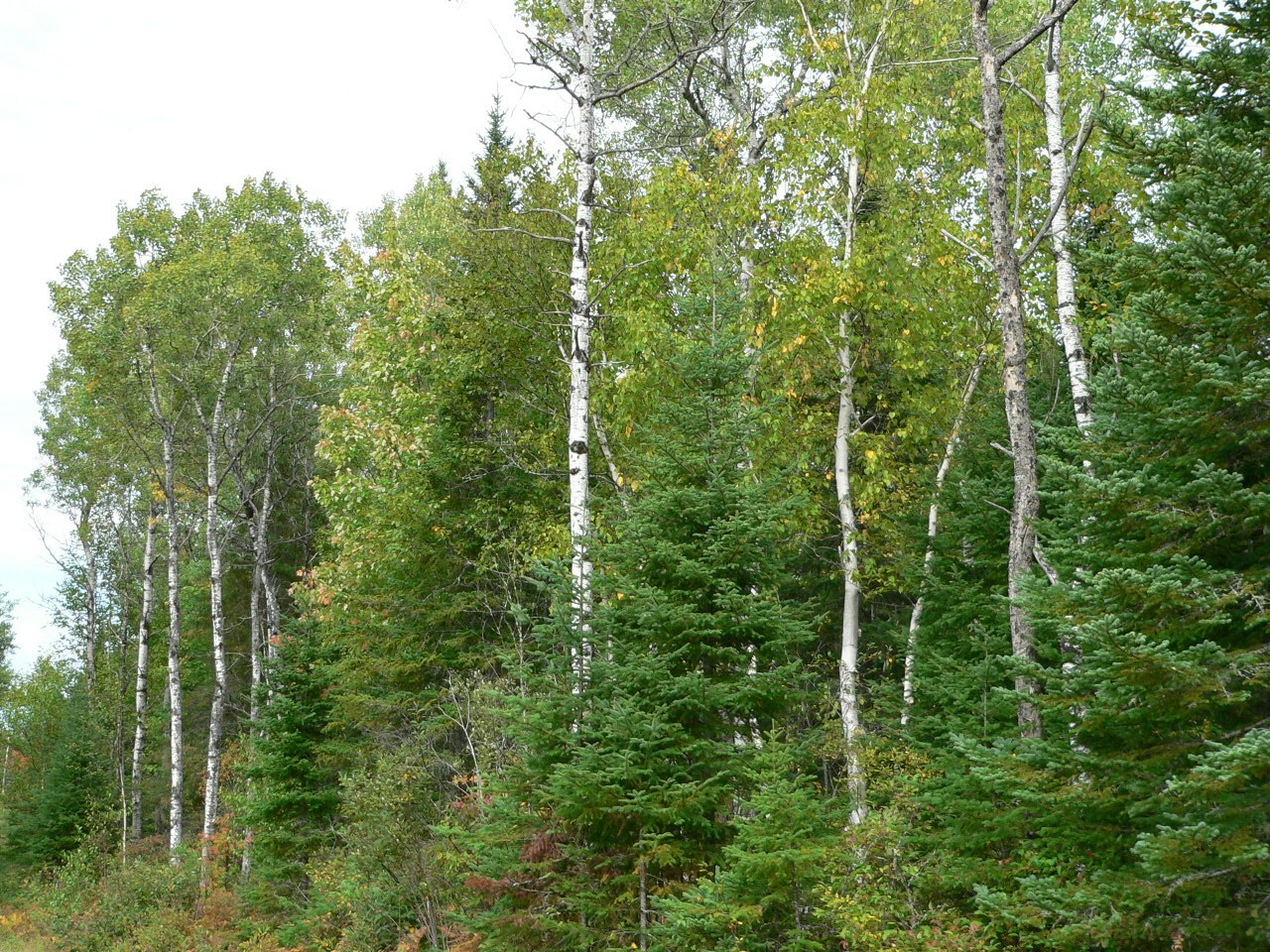
Paper birch (Betula papyrifera) is a medium-sized deciduous tree of cool northern forests, named for its thin, papery white bark that peels in horizontal strips. Indigenous peoples used the waterproof bark for canoes, containers, and writing surfaces.
A pioneer species, it quickly colonizes clearings and burned areas. It is short-lived and prefers cool climates, struggling with heat, drought, and the bronze birch borer in warmer regions.
How to identify it
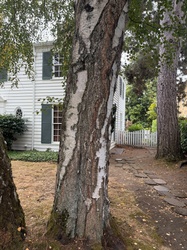
- Bark: Chalky to creamy white, peeling in thin papery horizontal strips, with dark horizontal lenticels; reddish-brown on young trees
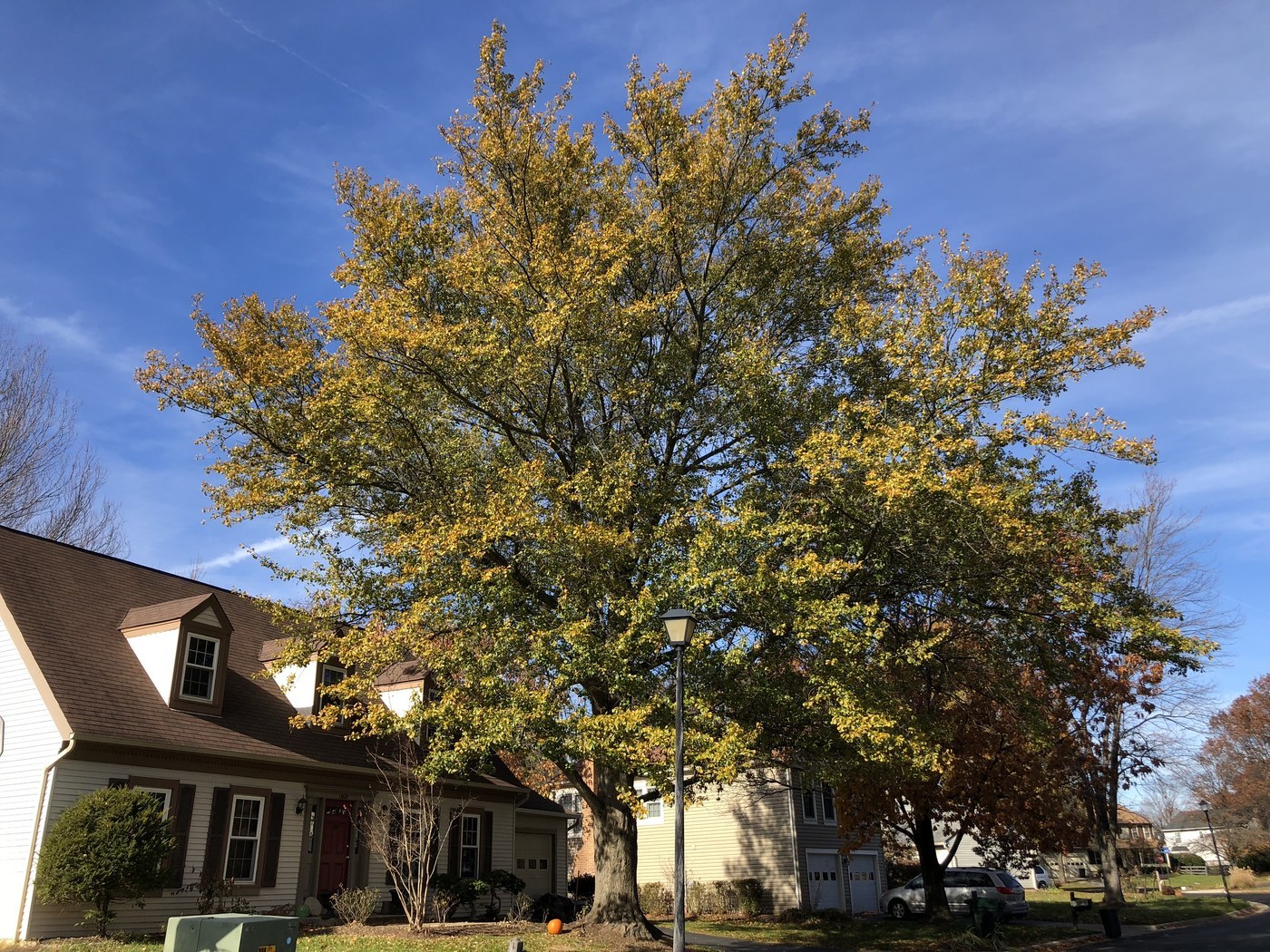
- Leaves: Alternate, oval, doubly toothed leaves with a pointed tip; bright yellow in fall
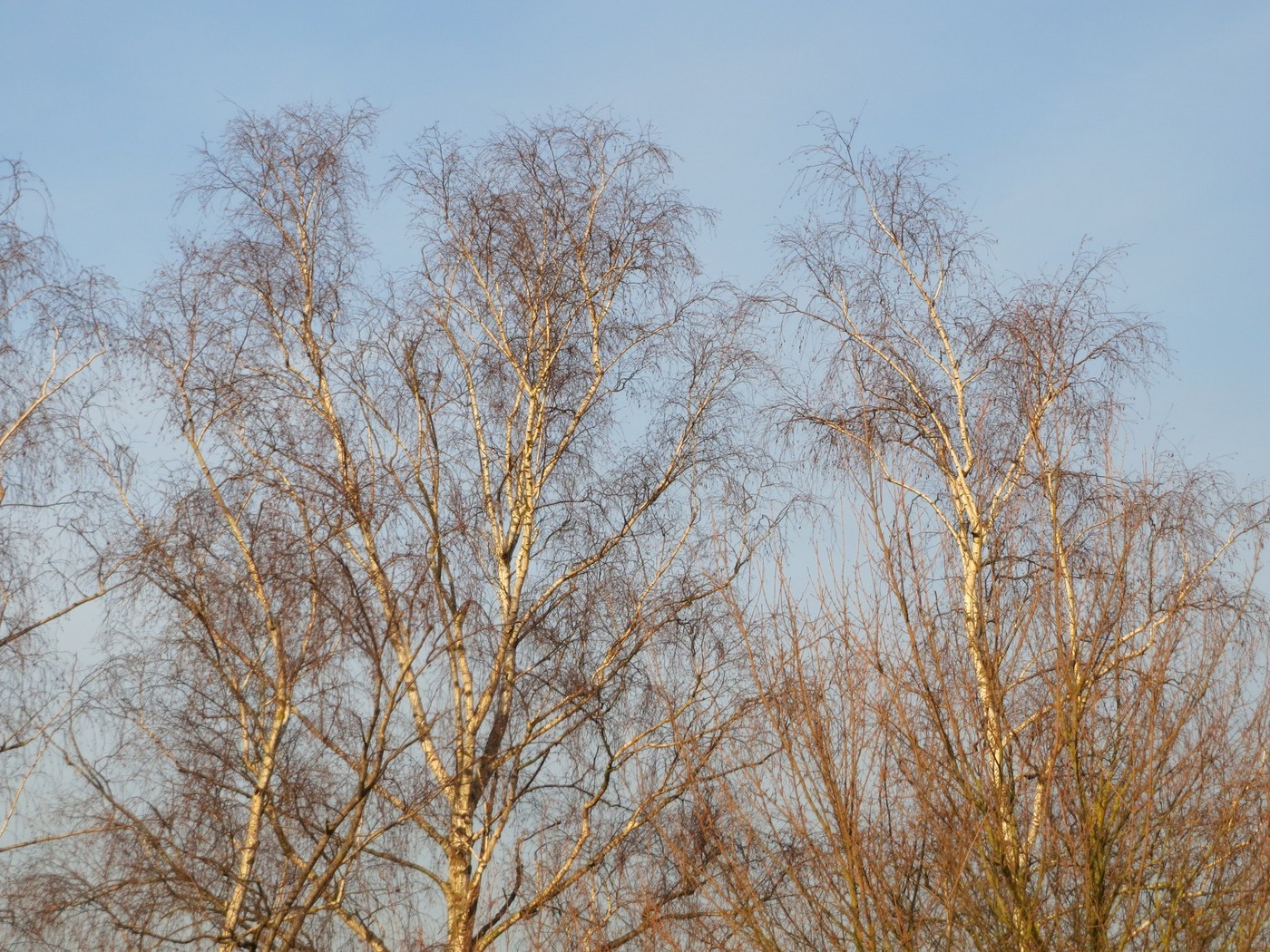
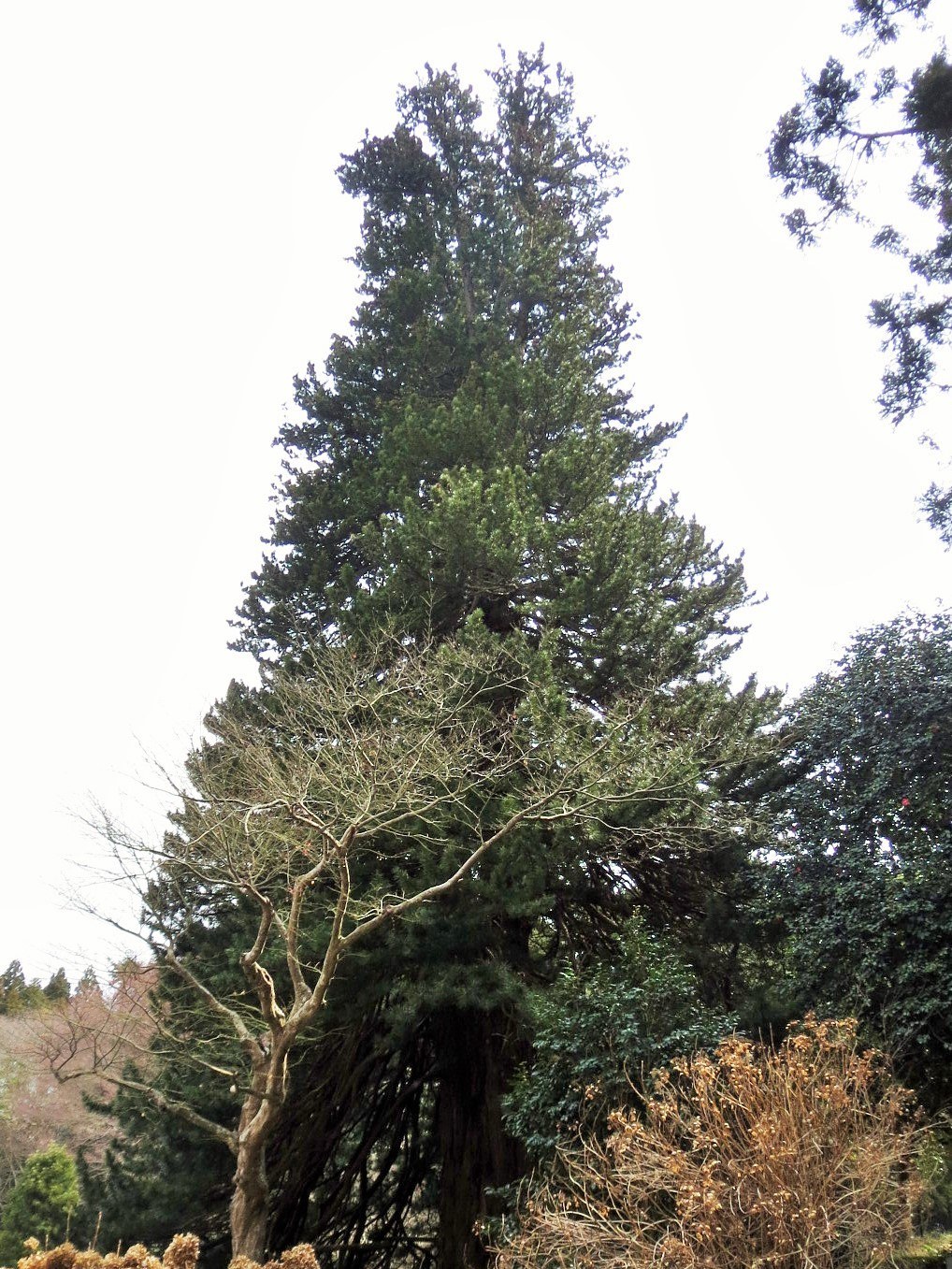
- Form: Slender, often single or multi-trunked, 50-70 ft tall
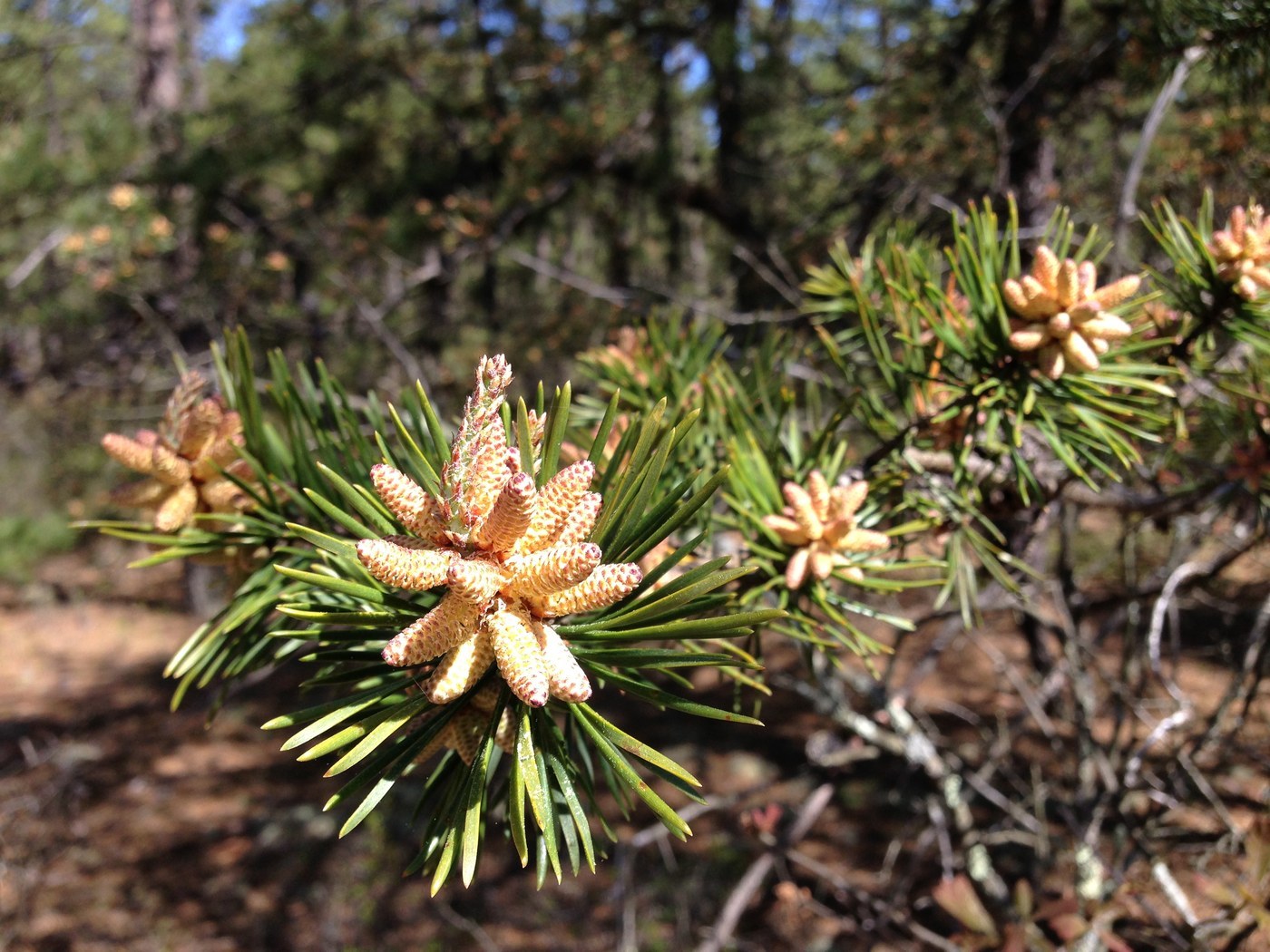
- Catkins: Drooping male catkins and upright female catkins in spring
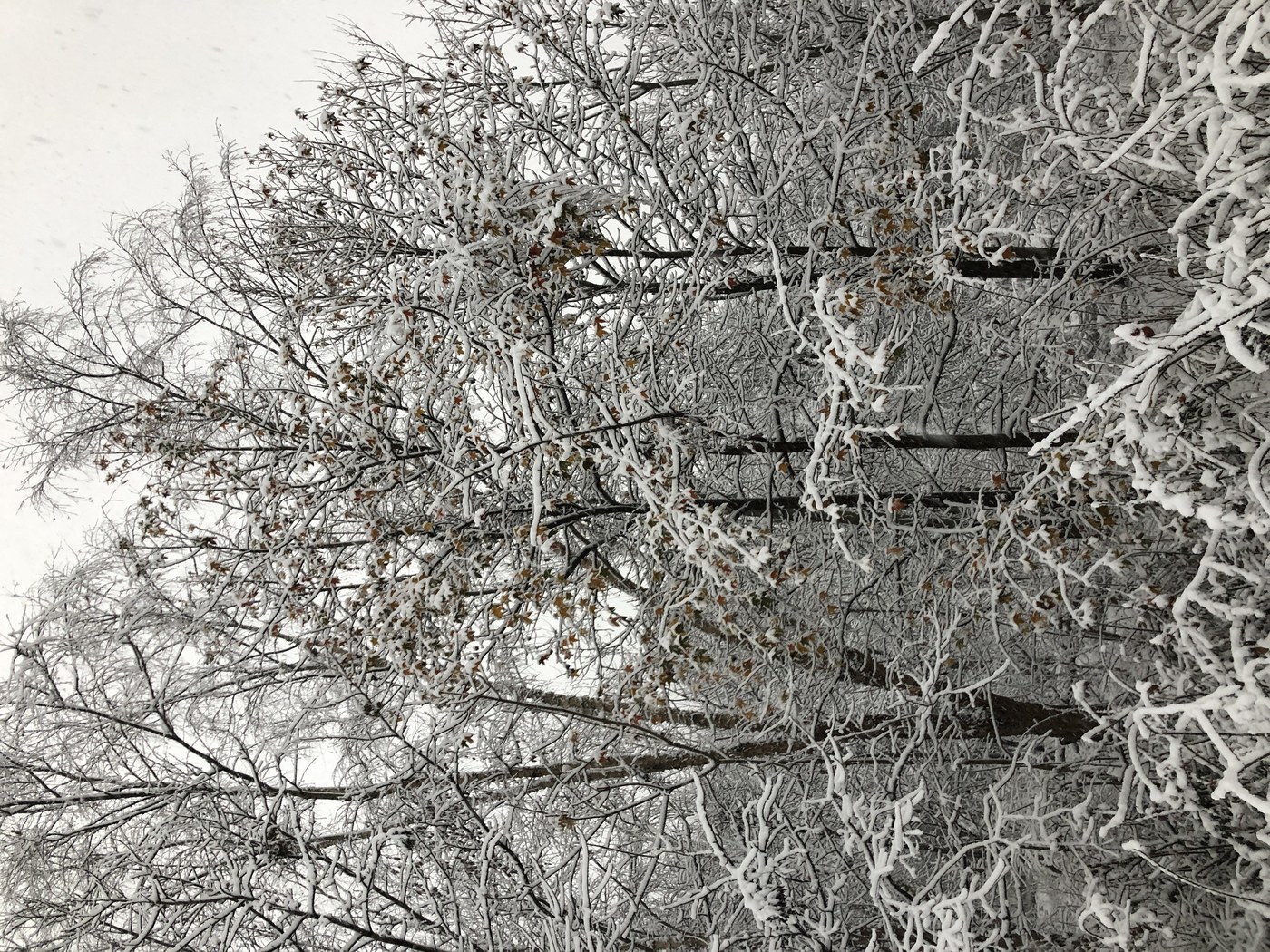
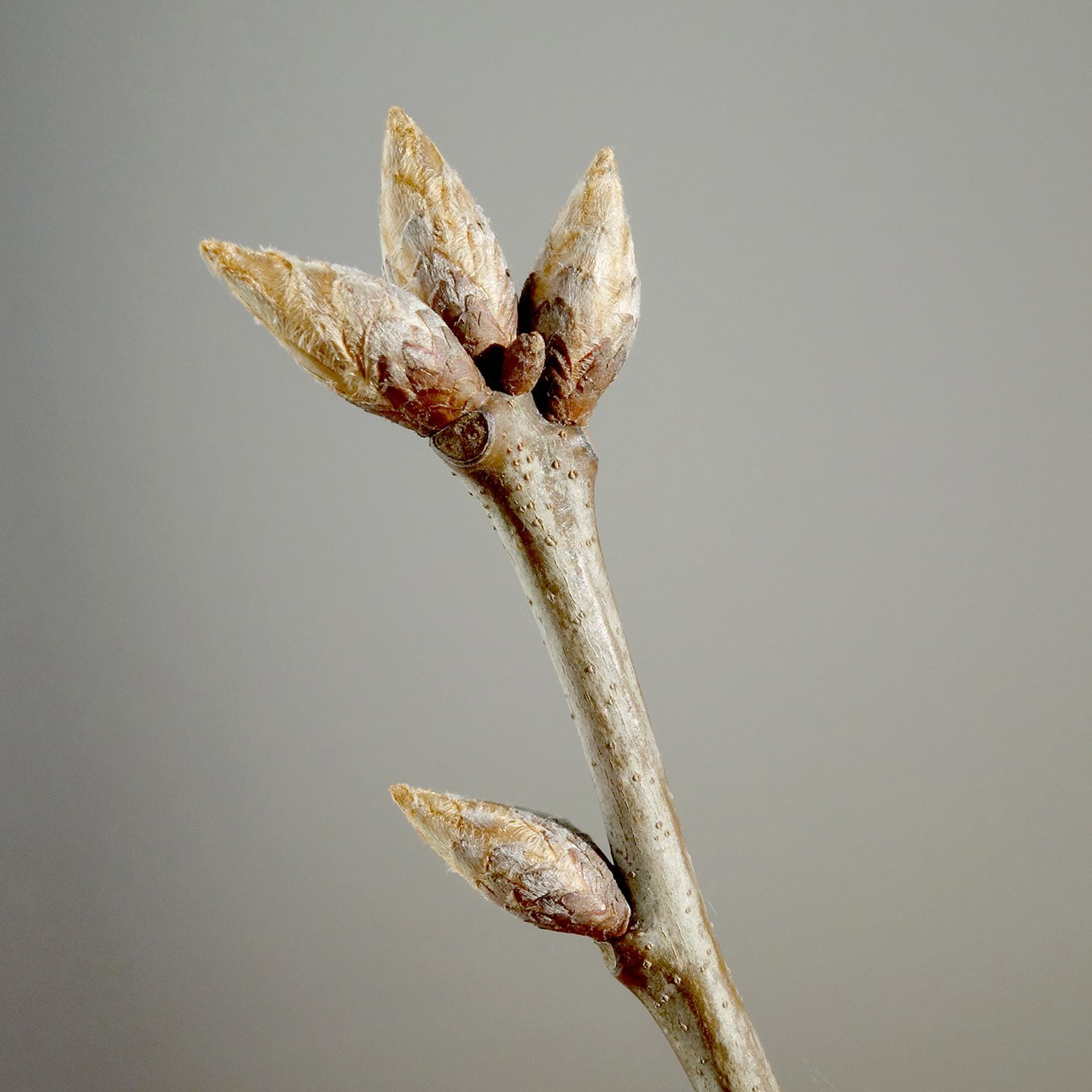
- Twigs: Slender with a faint wintergreen scent when scratched
Care & growing
Light: Full sun to partial shade.
Water: Prefers cool, consistently moist, well-drained soil; intolerant of drought and heat stress.
Soil: Slightly acidic, sandy or loamy soils; keep roots cool with mulch.
Temperature: Hardy USDA zones 2-6; a true cold-climate tree.
Feeding: Light feeding if growth is poor.
Propagation: Grown from seed; choose healthy stock and a cool site to reduce bronze birch borer risk. Avoid pruning in spring when sap bleeds heavily.
Habitat & origin
Paper birch is native to the boreal and northern forests of North America, from Alaska and Canada south into the northern United States. It thrives in cool climates on moist slopes, lakeshores, and recently disturbed or burned ground.
It is widely planted as an ornamental for its striking white bark, though it performs best within or near its cool native range.
Frequently asked questions
Why does paper birch have white peeling bark?
The bark contains a white pigment and peels in thin papery layers. This reflective bark may help protect the trunk from temperature swings in cold climates.
Does peeling the bark off a living birch harm it?
Yes, it can. Stripping bark from a living tree can wound it and invite disease. Bark for crafts is best gathered from fallen or felled trees.
Why is my paper birch dying back?
Often it is heat and drought stress combined with the bronze birch borer, which attacks weakened trees. Paper birch does best in cool, moist northern sites.
How long do paper birches live?
They are relatively short-lived, typically lasting around 60-80 years, sometimes more in ideal cool conditions.
Paper Birch guides
In-depth guides for identifying, growing, and caring for Paper Birch.
How to Care for Paper Birch
Grow the elegant white-barked Paper Birch: full sun to part shade, cool moist soil, and smart siting to keep this graceful tree healthy.
Paper Birch Identification Guide
Identify paper birch (Betula papyrifera) by its peeling white bark with dark horizontal lenticels, doubly toothed oval leaves, and slender catkins.
Paper Birch identified by the community
Real specimens identified with Plant Identifier.