How to Care for Parsley
Grow lush ornamental Parsley in sun to part shade with rich, evenly moist soil for full, curly or flat-leaf mounds of foliage.
Read the full Parsley encyclopedia entry →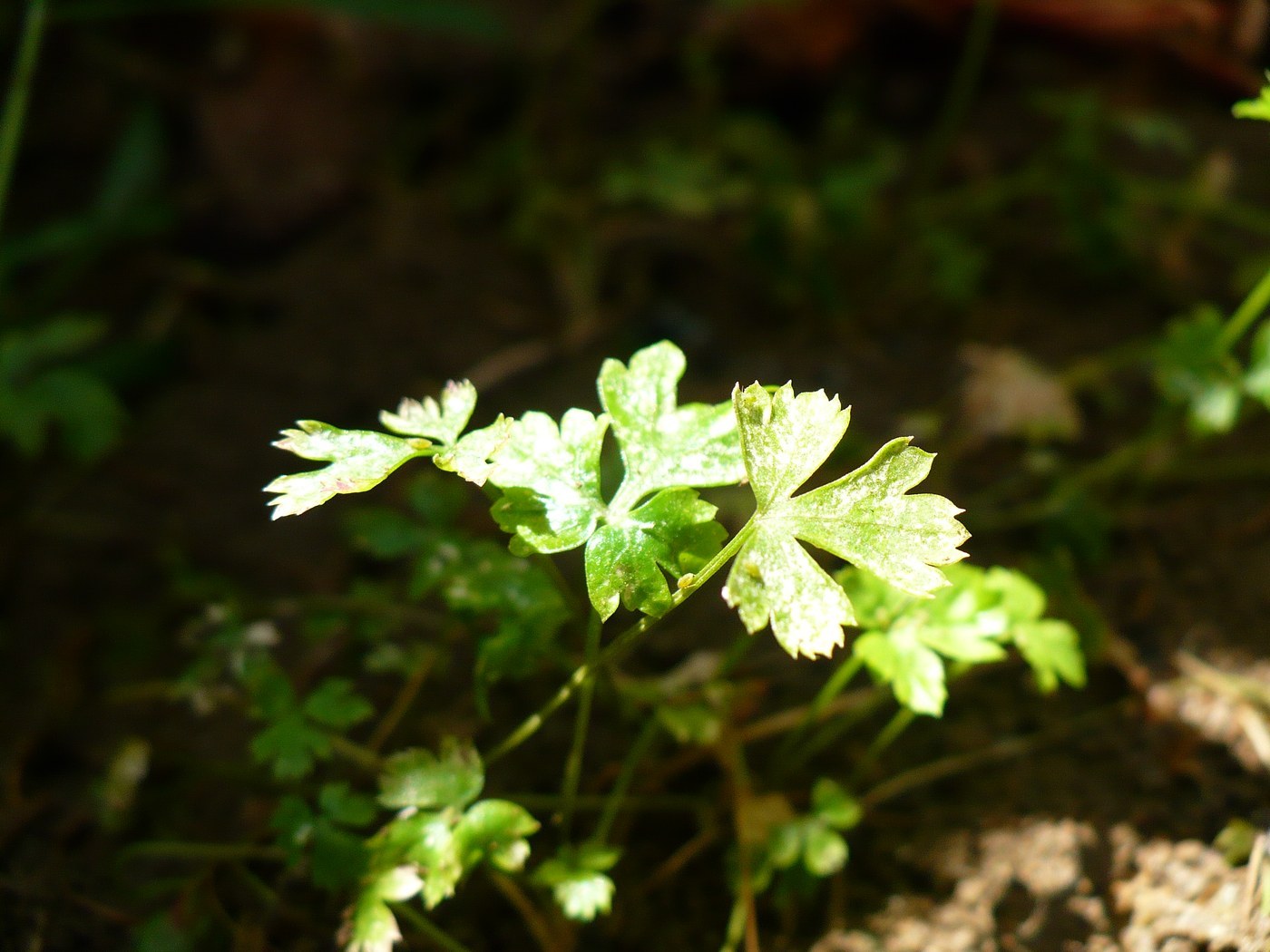
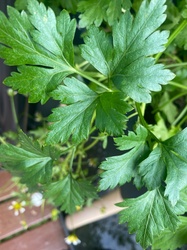
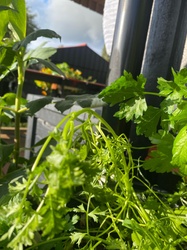
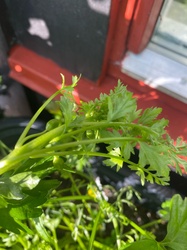
Parsley (Petroselinum crispum) is a hardy biennial usually grown as an ornamental annual for its dense, deep-green mounds of finely divided foliage, available in tightly curled and flat-leaf forms. It is an easy, forgiving plant for beds, borders, and containers that appreciates steady moisture and fertile soil.
Light
Parsley grows well in full sun to partial shade. Full sun produces the most compact, vigorous foliage, while in hot climates a little afternoon shade keeps plants lush and slows the tendency to bolt. Indoors, give it the brightest window you can, as low light leads to thin, stretched growth.
Water
Keep the soil evenly moist at all times; parsley dislikes drying out and will wilt and yellow if allowed to go dry. Water regularly and deeply, especially in warm weather and for container plants, which dry quickly. Avoid waterlogging, which rots the roots, but aim for consistent moisture rather than swings between soggy and bone-dry.
Soil & Potting
Grow in rich, fertile, moisture-retentive soil with good drainage. A loam amended with compost is ideal, at a neutral to slightly acidic pH. Because parsley develops a long taproot, choose a deep container for pot culture and use a quality general-purpose mix. Loose, well-worked soil encourages strong root and leaf development.
Humidity & Temperature
Parsley is a cool-season plant that grows best in mild temperatures and tolerates light frost, which can even sweeten established plants. Hot summer weather encourages bolting, when the plant sends up a flower stalk and foliage turns coarse. Average humidity suits it. In its second year it naturally flowers and sets seed, completing its biennial cycle.
Feeding
Feed moderately for lush leaf growth. Work compost into the soil at planting and apply a balanced or slightly nitrogen-rich liquid fertilizer every few weeks during active growth. Container plants need feeding more often since nutrients leach out with frequent watering. Avoid overfeeding, which can produce soft, weak foliage.
Propagation
Parsley is grown from seed. The seed is famously slow to germinate, often taking several weeks; soaking it overnight and keeping the soil consistently warm and moist speeds things along. Sow where plants are to grow, since the taproot resents transplanting, or start in deep individual cells to minimize root disturbance when planting out.
Repotting / Pruning
Because of its taproot, parsley dislikes being moved, so plant it in its final position early. Regularly snipping outer stems keeps the plant bushy and productive; always cut from the outside so the central growing point continues producing. In pots, refresh or step up the container only if plants become crowded, handling the roots gently.
Common Problems & Pests
Bolting in heat is the most common issue; provide afternoon shade, steady moisture, and successional sowings to keep fresh foliage coming. Yellowing leaves signal dryness, poor drainage, or hunger. Aphids may gather on new growth, and the caterpillars of certain swallowtail butterflies sometimes feed on the leaves; pick them off if you wish to protect the foliage. Damp, crowded conditions can bring leaf spot or crown rot.
Seasonal Care Tips
Sow in spring for summer growth, and again in late summer for autumn and mild-winter foliage. Keep evenly moist and feed through the growing season. As heat arrives, watch for bolting and shade plants in the afternoon. In its second spring, plants flower; many gardeners let a few bloom for the airy umbels or simply start fresh from seed each year.
Frequently asked questions
Why is my parsley seed taking so long to sprout?
Parsley is naturally slow to germinate, sometimes taking several weeks. Soaking the seed overnight and keeping the soil consistently warm and moist helps speed germination.
Why did my parsley suddenly send up a tall stalk?
That is bolting, triggered by heat or the plant's second-year cycle. The foliage turns coarse. Provide afternoon shade and steady moisture, and sow fresh plants to keep lush growth going.
Can I grow parsley indoors?
Yes. Use a deep pot for its taproot, a bright window, rich moisture-retentive soil, and consistent watering. Rotate the pot so growth stays even and compact.
How do I keep parsley bushy?
Snip stems regularly from the outside of the plant, leaving the central growing point intact. This encourages continuous, full new growth.
Does parsley come back every year?
It is a biennial: it grows foliage the first year and flowers, then sets seed, in its second year. Many gardeners grow it as an annual and resow each season for the freshest leaves.
Parsley identified by the community
Recent Parsley specimens identified with Plant Identifier.