Parsley
Petroselinum crispum
Parsley is a hardy biennial culinary herb grown as an annual, cultivated for its fresh green curly and flat-leaf foliage.
- Light
- Full sun to partial shade
- Water
- Keep soil evenly moist
- Difficulty
- Easy
Got a plant like this?
Identify any plant from a photo, free.
Overview
Parsley is one of the most widely grown culinary herbs in the world, native to the central and eastern Mediterranean. It is grown chiefly for its aromatic leaves, which appear in two main types: tightly curled (curly parsley) and broad, flat leaves (Italian or flat-leaf parsley).
Botanically a biennial, parsley produces leafy growth in its first year and flowers in its second before setting seed. Most gardeners grow it as an annual.
Parsley is also a useful companion plant and a magnet for beneficial insects when allowed to flower.
How to identify it
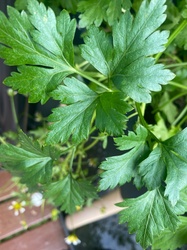
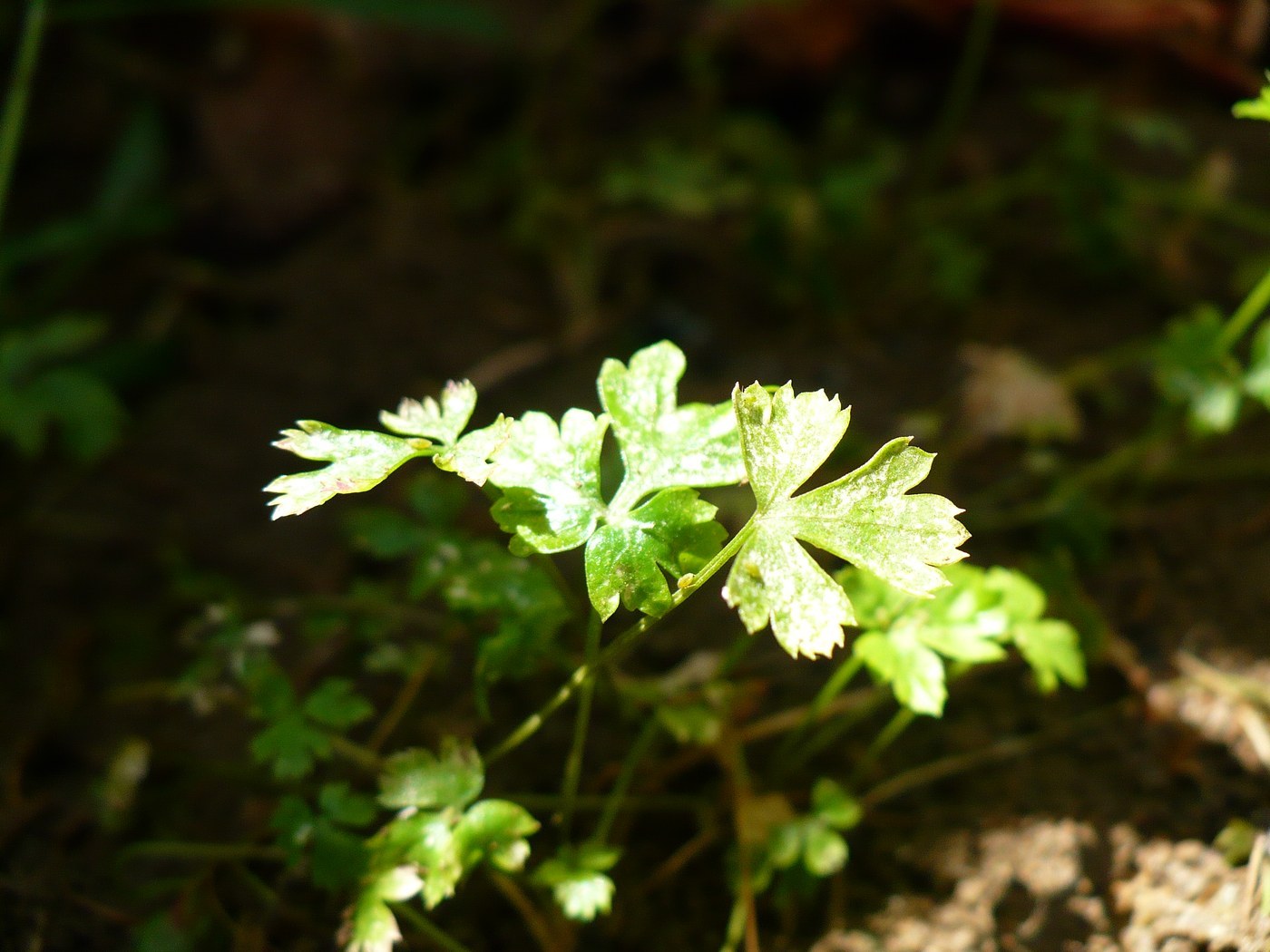
Parsley forms a low, bushy rosette of bright to deep green leaves on slender stalks.
- Leaves: Either tightly curled and ruffled (curly type) or flat and deeply divided like coarse celery leaves (flat-leaf type)
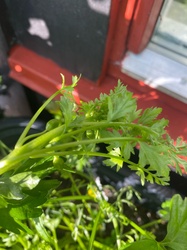
- Stems: Thin, ribbed, green and slightly grooved
- Height: Typically 20-45 cm (8-18 in) in leaf; flower stalks in the second year can reach 60-90 cm
- Flowers: Small greenish-yellow blooms in flat-topped umbels, produced in year two
- Roots: Taproot (a separate variety, Hamburg parsley, is grown for its thick root)
Care & growing
Parsley is forgiving and well suited to beginners.
- Light: Full sun ideally, but tolerates partial shade, especially in hot climates
- Water: Keep soil consistently moist; do not let it dry out completely
- Soil: Rich, well-drained loam with plenty of organic matter; slightly acidic to neutral pH
- Temperature: Cool-season tolerant; thrives at 10-24C (50-75F) and survives light frost
- Feeding: A balanced fertilizer or compost every few weeks supports leafy growth
- Propagation: From seed, which germinates slowly (2-4 weeks); soaking seed overnight speeds it up. Sow directly or transplant carefully as it dislikes root disturbance.
Habitat & origin
Parsley is native to the central and eastern Mediterranean region, including Greece, the Balkans and parts of North Africa and western Asia. It has been cultivated for over 2,000 years and was well known to the ancient Greeks and Romans.
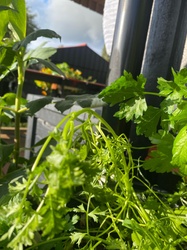
Today it is grown in temperate gardens worldwide, in vegetable plots, herb beds and containers on windowsills and balconies. It naturalizes readily in disturbed, sunny ground in mild climates.
Frequently asked questions
What is the difference between curly and flat-leaf parsley?
Curly parsley has tightly ruffled, ornamental-looking leaves, while flat-leaf (Italian) parsley has broad, flat, deeply divided leaves. The two types differ mainly in leaf shape and texture.
Why is my parsley so slow to sprout?
Parsley seed is naturally slow to germinate, often taking 2-4 weeks. Soaking the seeds overnight before sowing and keeping the soil warm and moist speeds the process.
Is parsley an annual or perennial?
It is technically a biennial, growing leaves the first year and flowering the second. Most gardeners grow it as an annual for the best leaf quality.
Can I grow parsley indoors?
Yes. Give it a sunny windowsill with at least 6 hours of light, a deep pot for its taproot, and steady moisture.
Parsley guides
In-depth guides for identifying, growing, and caring for Parsley.
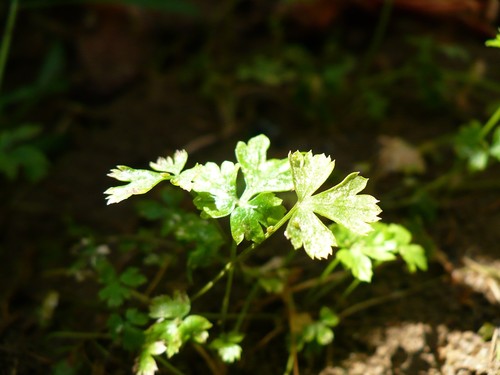
How to Care for Parsley
Grow lush ornamental Parsley in sun to part shade with rich, evenly moist soil for full, curly or flat-leaf mounds of foliage.
Parsley Identification Guide
How to recognize parsley by its triangular, deeply divided leaves, hollow grooved stems, and characteristic carrot-family scent. Includes tips for telling flat-leaf from curly types and separating it from similar-looking relatives.
Parsley identified by the community
Real specimens identified with Plant Identifier.