
How to Care for Parsnip
Grow Pastinaca sativa successfully with full sun, deep even watering, and loose stone-free soil for straight roots; patience with slow germination pays off.
Read the full Parsnip encyclopedia entry →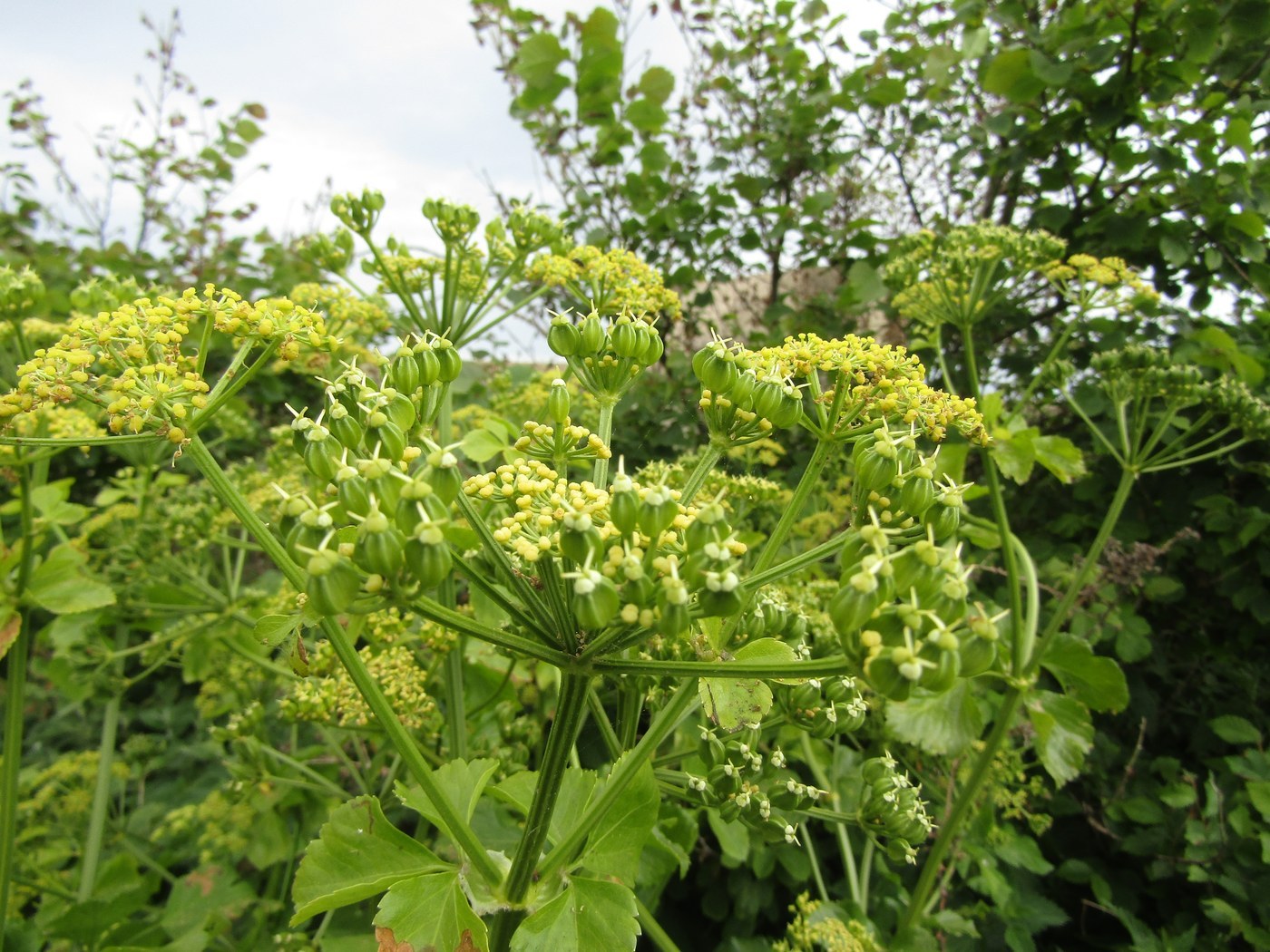
Parsnip (Pastinaca sativa) is a hardy biennial root crop grown as an annual, forming a rosette of divided green leaves above a long, tapering cream-colored root. Growing it well is a matter of patience: it needs a long season, loose deep soil, and steady moisture, and it rewards the grower with a robust, cold-tolerant plant.
Light
Parsnips grow best in full sun to light shade. A minimum of six hours of direct sun produces the strongest, straightest roots, though the plants tolerate a little shade. An open, unshaded bed keeps growth even and vigorous through the long season.
Water
Provide even, deep watering throughout the growing season. Consistent moisture is essential for smooth, well-formed roots; irregular watering that swings between dry and wet causes roots to split or become forked and coarse. Water deeply to encourage the taproot to grow straight down, and mulch to conserve moisture in warm weather.
Soil & Potting
Parsnips demand deep, loose, stone-free soil so the long roots can grow straight and unobstructed. Work the bed deeply and remove stones, clods, and debris before sowing. Avoid freshly manured ground and heavy compacted clay, which cause forked and misshapen roots. A neutral to slightly alkaline pH suits them well. Because of the deep roots, they are grown in the ground or in very deep containers rather than shallow pots.
Humidity & Temperature
Parsnip is a cool-season, very cold-hardy plant. It grows steadily through spring, summer, and fall, and the roots actually improve after exposure to frost. It withstands freezing conditions and can be left in the ground through winter in many climates, lifted as needed.
Feeding
Parsnips are light feeders and do not need rich soil. Excess nitrogen encourages leafy top growth and forked roots, so avoid high-nitrogen fertilizer. A balanced feed low in nitrogen, or soil enriched with well-rotted organic matter from a previous season, supports steady root development.
Propagation
Parsnips are grown from seed sown directly where they are to grow, as the taproot does not transplant well. Sow shallowly in spring in prepared soil. Germination is famously slow and erratic, often taking two to four weeks, so keep the seedbed consistently moist and use fresh seed, since parsnip seed loses viability quickly and old seed germinates poorly. Thin seedlings to give each root room to develop.
Repotting / Pruning
Parsnips are not repotted or pruned in the ordinary sense. The main hands-on task is thinning the seedlings early so remaining plants stand several inches apart, giving each room to size up. Keep the bed weeded, as young parsnips compete poorly with weeds.
Common Problems & Pests
Carrot rust fly is a common pest whose larvae tunnel into the roots; floating row covers help exclude the adults. Canker can cause dark rot at the shoulders of the root, worsened by damage and heavy soil; resistant varieties and careful cultivation reduce it. Forked and split roots trace back to stony soil, fresh manure, or uneven watering. Keep foliage dry and spaced for airflow to limit leaf spot diseases.
Seasonal Care Tips
Sow seed in spring into deeply prepared, stone-free soil and be patient with slow germination. Through summer, water evenly and keep the bed weed-free as the roots develop over the long season. In fall and winter, let a touch of frost sweeten and firm the roots; they can stay in the ground and be lifted through the cold months.
Frequently asked questions
Why is my parsnip seed not germinating?
Parsnip germination is naturally slow, often two to four weeks, and the seed loses viability fast. Always use fresh seed, sow into warm moist soil, and keep the seedbed consistently damp until sprouts appear.
Why are my parsnip roots forked and twisted?
Forking is usually caused by stony or compacted soil, fresh manure, or transplanting. Grow parsnips in deep, loose, stone-free soil and sow seed directly where the plants will grow.
Do parsnips need full sun?
They grow best in full sun with at least six hours of direct light, though they tolerate light shade. Ample sun produces the strongest, straightest roots over the long season.
Can parsnips survive frost and winter?
Yes. Parsnip is very cold-hardy, and the roots can be left in the ground through freezing weather and lifted as needed during the cold months.