Parsnip
Pastinaca sativa
The parsnip is a hardy biennial root vegetable grown for its long, tapering, cream-colored taproot. A long-season crop, it is a classic of autumn and winter gardens.
- Light
- Full sun to light shade
- Water
- Even, deep watering
- Difficulty
- Moderate
Got a plant like this?
Identify any plant from a photo, free.
Overview
The parsnip is a biennial in the carrot family (Apiaceae), grown as an annual for its long, tapering, cream-colored root. It looks like a pale carrot but is a distinct species.
Parsnips need a long growing season and are a cool-season root crop traditionally grown for harvest in autumn and winter.
How to identify it
A tall, ferny-leaved plant producing a long, pale taproot.
- Root: Long, tapering, cream to pale yellow, carrot-shaped but broader at the shoulder
- Leaves: Large, divided (pinnate) bright green leaflets with toothed margins, somewhat celery-like
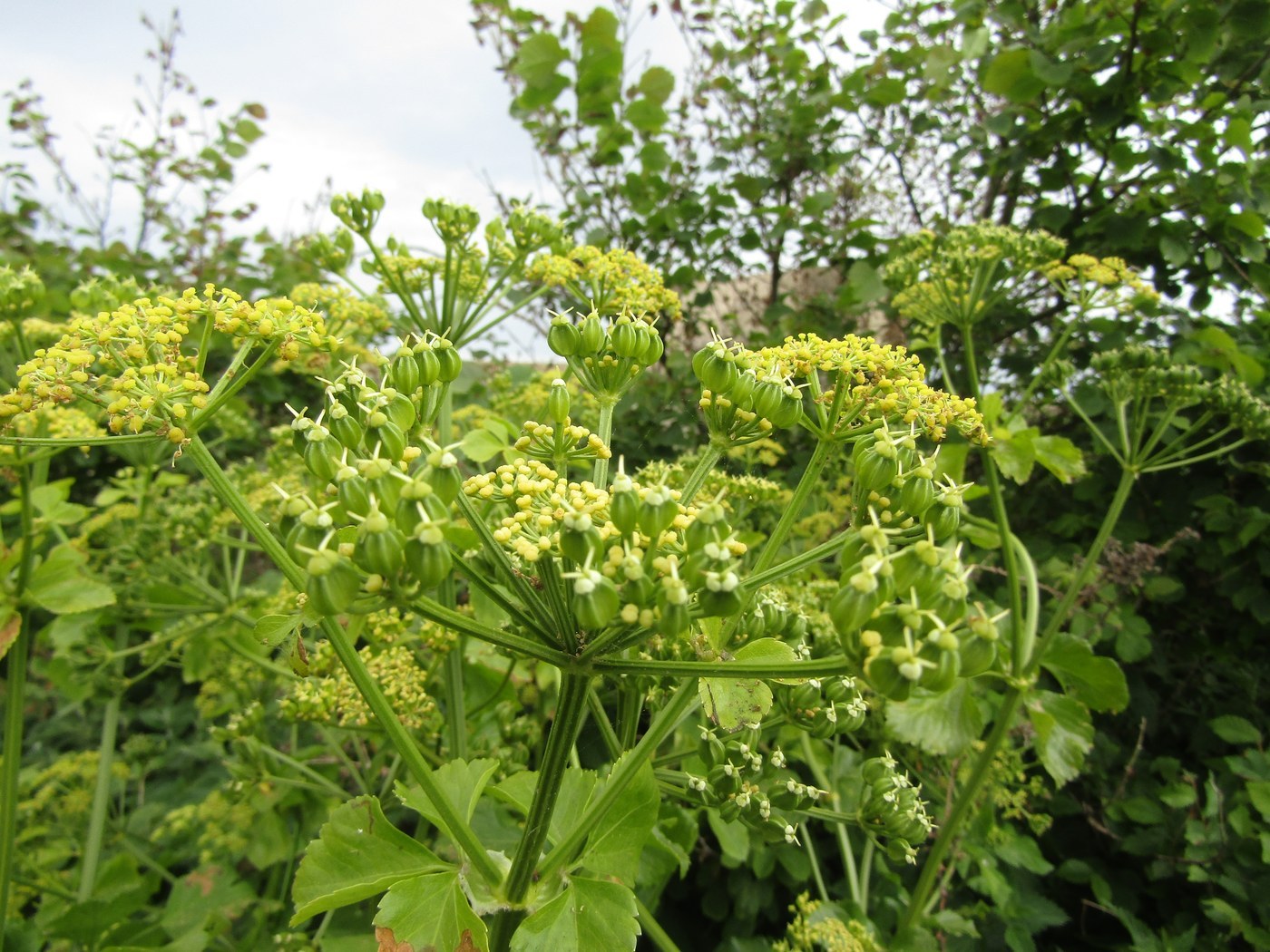
- Flowers: Flat-topped yellow umbels (umbrella-like clusters) in the second year
- Habit: Leafy rosette up to 2-3 ft; flower stalk much taller if it bolts
Care & growing
Light: Full sun to light shade.
Water: Even, deep moisture for straight, smooth roots; inconsistent watering causes forking and splitting.
Soil: Deep, loose, stone-free soil so roots grow straight; pH 6.0-7.0.
Temperature: A cool-season crop; tolerates hard frost.
Feeding: Modest; avoid fresh manure and high nitrogen, which cause forked, hairy roots.
Propagation: From fresh seed sown directly (seed loses viability quickly); slow to germinate, so keep soil moist and be patient.
Habitat & origin
Native to Eurasia, the parsnip has been cultivated since Roman times.
It grows across cool temperate regions and naturalizes readily — wild parsnip is widespread in North America and Europe. It is a traditional winter vegetable crop in Britain, northern Europe, and North America.
Frequently asked questions
Why won't my parsnip seeds germinate?
Parsnip seed is slow to sprout (2-3 weeks) and loses viability fast, so always use fresh seed and keep the soil consistently moist during germination.
Why are my parsnips forked?
Forking is caused by stony soil, compacted ground, or fresh manure. Grow them in deep, loose, stone-free soil and avoid recently manured beds.
How tall does a parsnip plant grow?
In its leafy stage a parsnip forms a rosette up to 2-3 ft tall. If it bolts in its second year, the flower stalk grows considerably taller.
Where did the parsnip originate?
The parsnip is native to Eurasia and has been cultivated since Roman times. It now grows across cool temperate regions and naturalizes in disturbed ground.
Parsnip guides
In-depth guides for identifying, growing, and caring for Parsnip.
How to Care for Parsnip
Grow Pastinaca sativa successfully with full sun, deep even watering, and loose stone-free soil for straight roots; patience with slow germination pays off.
Parsnip Identification Guide
Identify parsnip by its long cream-colored tapering taproot, ferny pinnate leaves, and flat-topped clusters of yellow flowers, and how to tell it from similar wild relatives.