
Parsnip Identification Guide
Identify parsnip by its long cream-colored tapering taproot, ferny pinnate leaves, and flat-topped clusters of yellow flowers, and how to tell it from similar wild relatives.
Read the full Parsnip encyclopedia entry →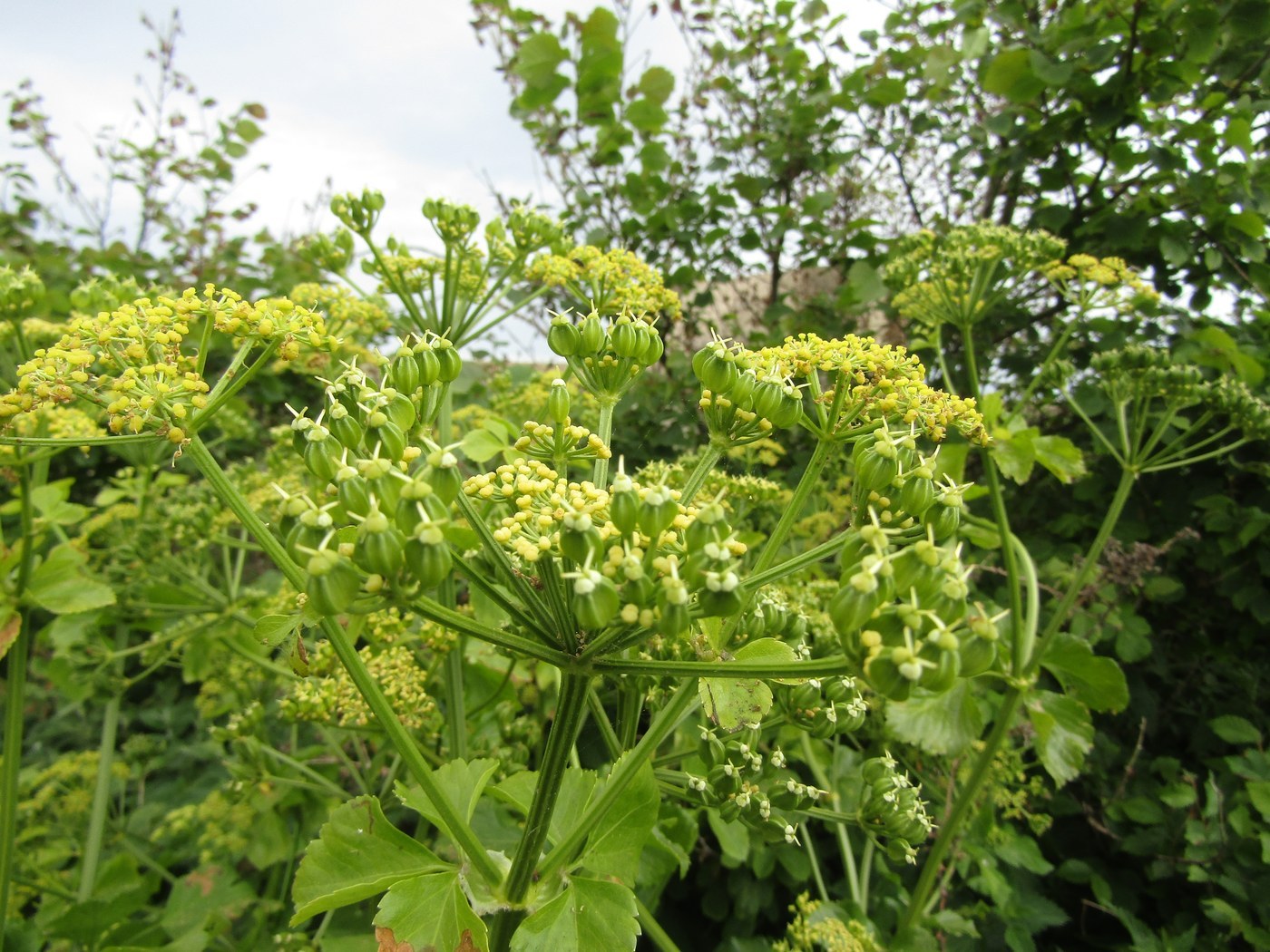
Key Identifying Features
The parsnip (Pastinaca sativa) is a biennial root vegetable in the carrot family (Apiaceae). It is identified by its long, tapering, cream-to-pale-yellow taproot (like a pale carrot) topped by a rosette of large, coarse, pinnately divided leaves, and — in its second year — a tall grooved stalk bearing flat clusters (umbels) of small yellow flowers.
- Growth habit: leafy rosette year one; tall (3–5 ft) flowering stalk year two
- Root: ivory/cream, fleshy, aromatic, broad at the crown and tapering to a point
Leaves & Stems
Parsnip leaves are large, pinnately compound (one-pinnate), with 5–15 paired, broad, toothed, somewhat hairy leaflets along a central stalk — coarser and broader than the lacy, finely divided foliage of a carrot. The leaf stalks are grooved and clasp the stem. Bruised foliage smells distinctly of parsnip/celery.
Flowers & Fruit
The second-year stalk is stout, hollow, ridged, and yellow-green, branching to bear compound umbels (flat-topped flower clusters) of tiny yellow flowers — notably, parsnip flowers are yellow, unlike the white umbels of carrot or hemlock. These mature into flat, oval, winged seeds that are pale tan. The yellow umbel is a strong field clue.
How to Tell It Apart from Look-Alikes
- Wild carrot / Queen Anne's lace: white flat umbels, ferny finely divided leaves — parsnip umbels are yellow and leaves coarser.
- Poison hemlock (Conium): white umbels, purple-spotted smooth stems, fern-like leaves, foul smell; parsnip stems are green, grooved, hairy, and unspotted with yellow flowers.
- Wild parsnip: the same species gone feral — identical yellow umbels; common along roadsides.
- Cow parsnip (Heracleum): much larger, white umbels, huge maple-like leaves.
The yellow flat-topped umbels + coarse pinnate leaves + pale tapering taproot confirm parsnip.
Where You'll Find It
Cultivated parsnip grows in vegetable gardens and farms as a cool-season root crop. Wild/feral parsnip is widespread along roadsides, in waste ground, old fields, and meadows across temperate North America and Europe.
Quick ID Checklist
- Pale cream tapering taproot with celery-parsnip aroma
- Coarse, pinnately compound, toothed leaves (broader than carrot's)
- Tall grooved hollow stalk in year two
- Flat clusters of YELLOW flowers (not white)
Frequently asked questions
How do I tell wild parsnip from poison hemlock?
Parsnip has YELLOW flat-topped flower clusters and green, grooved, hairy stems, while poison hemlock has WHITE flower clusters and smooth stems with distinctive purple blotches.
How is a parsnip leaf different from a carrot leaf?
Parsnip leaves are coarsely pinnate with broad, toothed leaflets, whereas carrot leaves are finely, feathery dissected and lacy. Parsnip foliage is bigger and rougher overall.
What color are parsnip flowers?
Parsnip flowers are yellow and arranged in flat compound umbels, which helps distinguish it from the white-flowered carrot family relatives like Queen Anne's lace and the hemlocks.
Where does wild parsnip grow?
Feral parsnip is widespread along roadsides, in waste ground, old fields, and meadows across temperate North America and Europe, while cultivated parsnip grows in vegetable gardens and farms.