
How to Care for Pasque Flower
Grow Pasque Flower in full sun with sharp-draining gritty soil for early spring blooms and feathery silver seedheads.
Read the full Pasque Flower encyclopedia entry →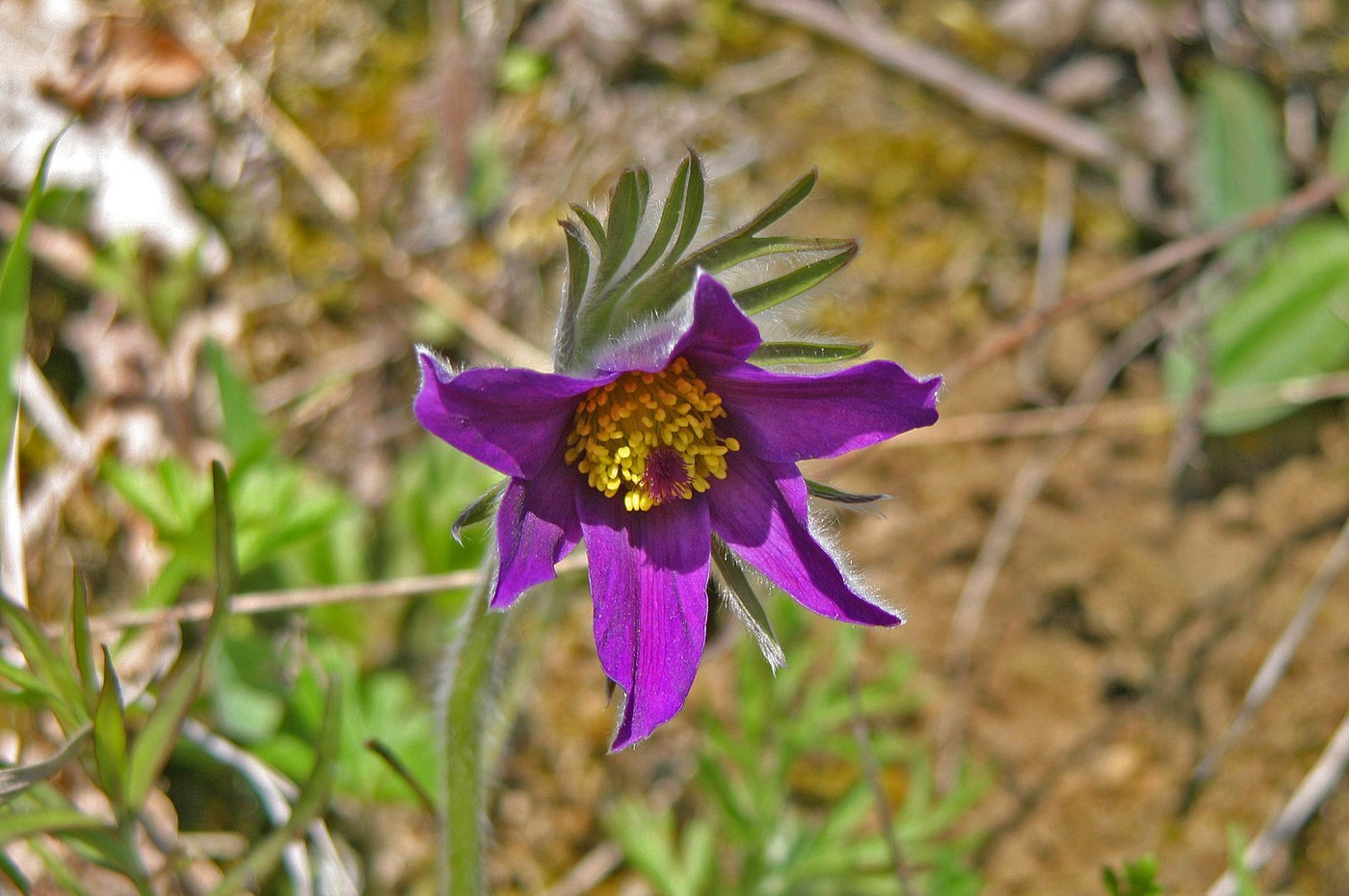
Pasque Flower (Pulsatilla vulgaris) is a low, clump-forming alpine perennial that opens silky, cup-shaped blooms in shades of purple, wine, and white in early spring, followed by ornamental feathery seedheads. Its fern-like, hairy foliage and sun-loving, sharp-drainage needs make it a jewel of the rock garden.
Light
Pasque Flower demands full sun to bloom and grow well. Give it the brightest, most open position you have, ideally with unobstructed light for most of the day. In too much shade it becomes leggy, flowers sparsely, and is prone to rot. A south-facing rock garden or raised bed is perfect.
Water
Water moderately and always favor well-drained conditions; this plant will not tolerate wet feet. Provide moisture during active spring growth and establishment, then allow the soil to dry between waterings. Once established it is quite drought-tolerant thanks to a deep taproot. Overwatering, especially in winter, is the fastest way to lose it.
Soil & Potting
Sharp drainage is essential. Plant in gritty, sandy, or stony loam with plenty of grit or fine gravel worked in. Neutral to slightly alkaline soil suits it best. A raised bed, scree, or rock garden mimics its native alpine grassland. In pots, use a free-draining alpine mix topped with a gravel mulch to keep the crown dry.
Humidity & Temperature
Pasque Flower is a cold-hardy alpine that relishes cool, dry air and dislikes hot, humid summers. It needs a proper cold winter dormancy to flower reliably. In humid climates, extra drainage and airflow help prevent crown rot. It shrugs off frost and even blooms while temperatures are still cold in early spring.
Feeding
Feed sparingly. This is a lean-soil plant that performs best without rich fertilizing. A light dose of balanced or low-nitrogen fertilizer in early spring, or a thin top-dressing of compost, is plenty. Over-feeding produces soft growth and reduces flowering and longevity.
Propagation
Fresh seed is the most reliable method; sow it as soon as it ripens, as viability drops quickly, and it germinates best with a period of cold. Root cuttings taken in winter also work. Pasque Flower resents root disturbance and has a long taproot, so avoid dividing established clumps and instead plant young specimens where they can stay put.
Repotting / Pruning
Little pruning is needed beyond removing tattered leaves. Many gardeners leave the silvery seedheads for their ornamental value. Because it dislikes being moved, transplant or repot only when young and do so carefully to protect the taproot. Container plants prefer a deep pot to accommodate that root.
Common Problems & Pests
The main threat is rot from overly wet or poorly drained soil, particularly in winter. Grow it hard and dry to avoid this. Pests are few, though slugs may nibble emerging spring growth. Poor flowering usually points to too little sun, overly rich soil, or the lack of a cold dormancy.
Seasonal Care Tips
In late winter to early spring, expect the first blooms; feed lightly as growth begins. Through spring, enjoy the flowers and let seedheads form if you want to collect seed. Keep the crown dry in summer and provide sharp drainage year-round. In winter, minimal watering and excellent drainage protect the crown from rot.
Frequently asked questions
Why is my Pasque Flower rotting?
Almost always from soil that is too wet or poorly drained, especially in winter. Grow it in gritty, sharp-draining soil, keep the crown dry, and water only moderately.
Can I divide an established Pasque Flower?
It is best not to. The plant has a long taproot and resents disturbance. Propagate instead from fresh seed sown as soon as it ripens, or from winter root cuttings.
How much sun does it need?
Full sun is essential. In shade it grows leggy, flowers poorly, and becomes prone to rot. Give it the brightest, most open spot available.
Should I remove the fluffy seedheads?
Only if you wish. Many gardeners leave the feathery silver seedheads because they are highly ornamental and extend the plant's season of interest.
Does it need fertilizer?
Very little. This is a lean-soil alpine. A light spring feed or thin compost top-dressing is enough; rich soil produces soft growth and fewer flowers.