Pasque Flower
Pulsatilla vulgaris
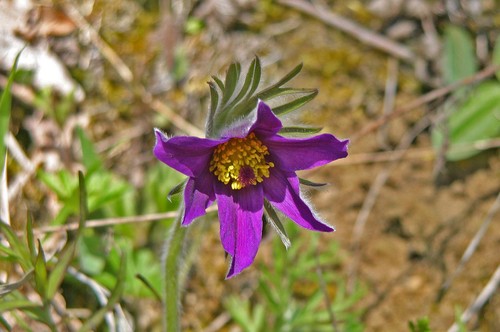
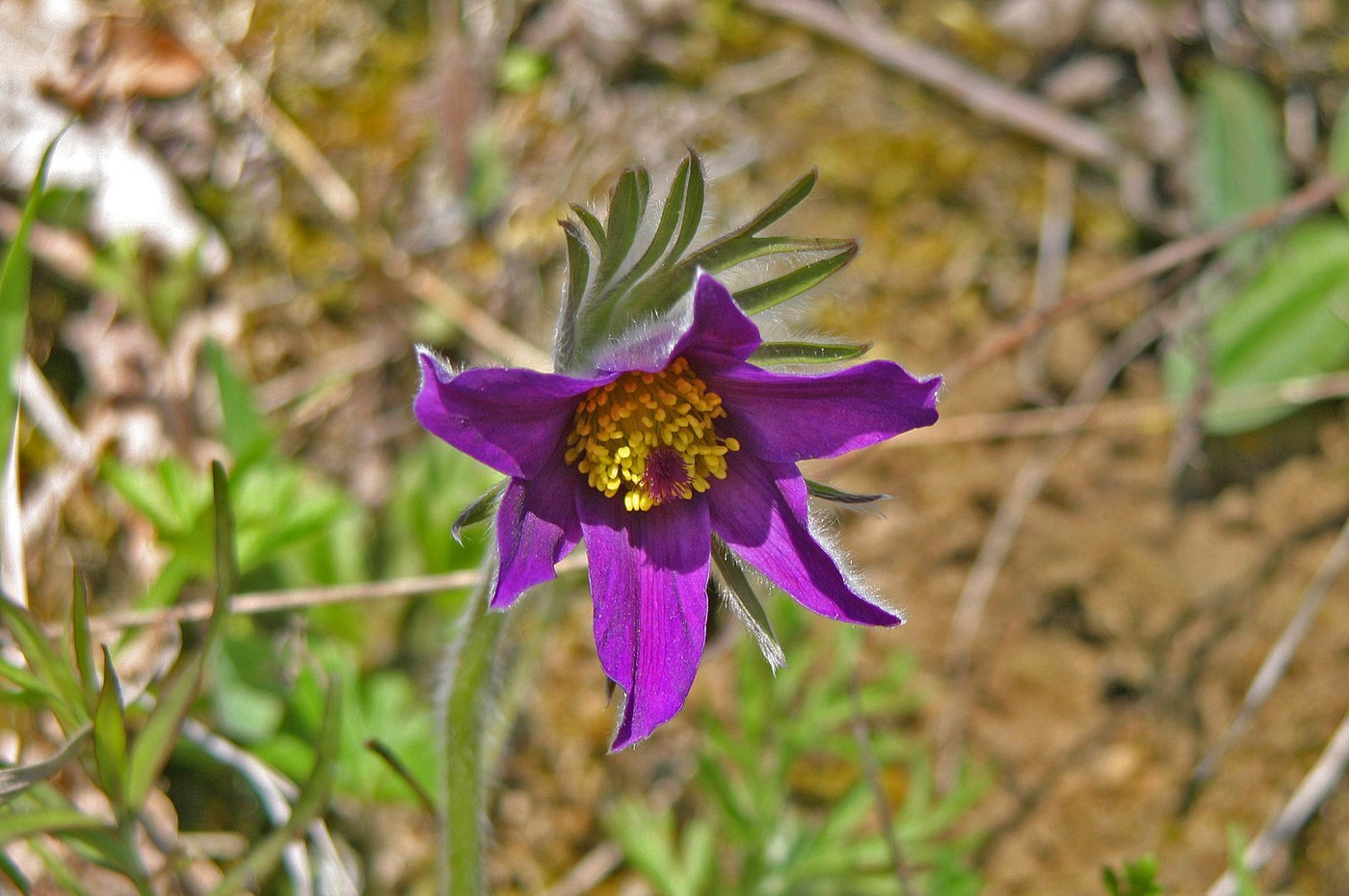
Pasque flower is an early-spring perennial bearing silky, bell-shaped purple flowers cloaked in fine hairs, followed by ornamental feathery seed heads. It blooms around Easter, giving it its name.
- Light
- Full sun
- Water
- Moderate; well-drained, avoid wet feet
- Difficulty
- Moderate
Got a plant like this?
Identify any plant from a photo, free.
Overview
Pasque flower (Pulsatilla vulgaris, formerly Anemone pulsatilla) is a low-growing perennial in the buttercup family (Ranunculaceae). It is one of the earliest bloomers, opening cup-shaped flowers in shades of violet-purple while still cloaked in silvery hairs.
The name comes from its Easter (Pâques) bloom time. After flowering, it produces striking silky, plumed seed heads that extend its ornamental season.
Compact and charming, it is a treasured plant for rock gardens, alpine troughs, and the front of sunny borders.
How to identify it
Recognize pasque flower by its hairy, early-spring blooms and feathery seed heads.
- Flowers: Bell- to cup-shaped, typically violet-purple (also white, red, or pink), with bright yellow centers, covered in fine silky hairs
- Leaves: Finely divided, fern-like, and softly hairy, emerging around or just after flowering
- Seed heads: Decorative silvery, feathery plumes that follow the blooms
- Size: Low and compact, generally 6 to 12 inches tall
- Bloom time: Early to mid-spring
Care & growing
Provide sharp drainage and a sunny spot for best results.
- Light: Full sun
- Water: Moderate while growing; must have excellent drainage and dislikes soggy soil
- Soil: Gritty, well-drained, neutral to alkaline soil
- Temperature: Hardy in USDA zones 4 to 8; needs cold winters
- Feeding: Light feeding; not a heavy feeder
- Propagation: Fresh seed (it loses viability quickly) or careful division; resents root disturbance once established
Habitat & origin
Native to dry calcareous grasslands, chalk downs, and open meadows across Europe, especially central and western Europe.
It favors sunny, well-drained sites and is at home in rock gardens, alpine troughs, gravel gardens, and the front of sunny borders. It is widely grown as a spring ornamental in temperate gardens.
Frequently asked questions
Why is it called pasque flower?
It blooms around Easter, and 'pasque' derives from the French word for Easter, Pâques.
What are the fluffy seed heads?
After flowering, the plant forms silky, feathery plumed seed heads that are highly ornamental and aid wind dispersal.
Why won't my pasque flower transplant well?
It has a deep taproot and resents disturbance. Start from fresh seed or plant young specimens in their permanent spot.
Pasque Flower guides
In-depth guides for identifying, growing, and caring for Pasque Flower.