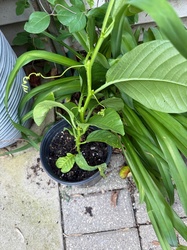
How to Care for Passion Fruit
Grow Passion Fruit (Passiflora edulis): a fast, sun-loving climbing vine with exotic flowers. Learn light, water, feeding and pruning for vigorous growth.
Read the full Passion Fruit encyclopedia entry →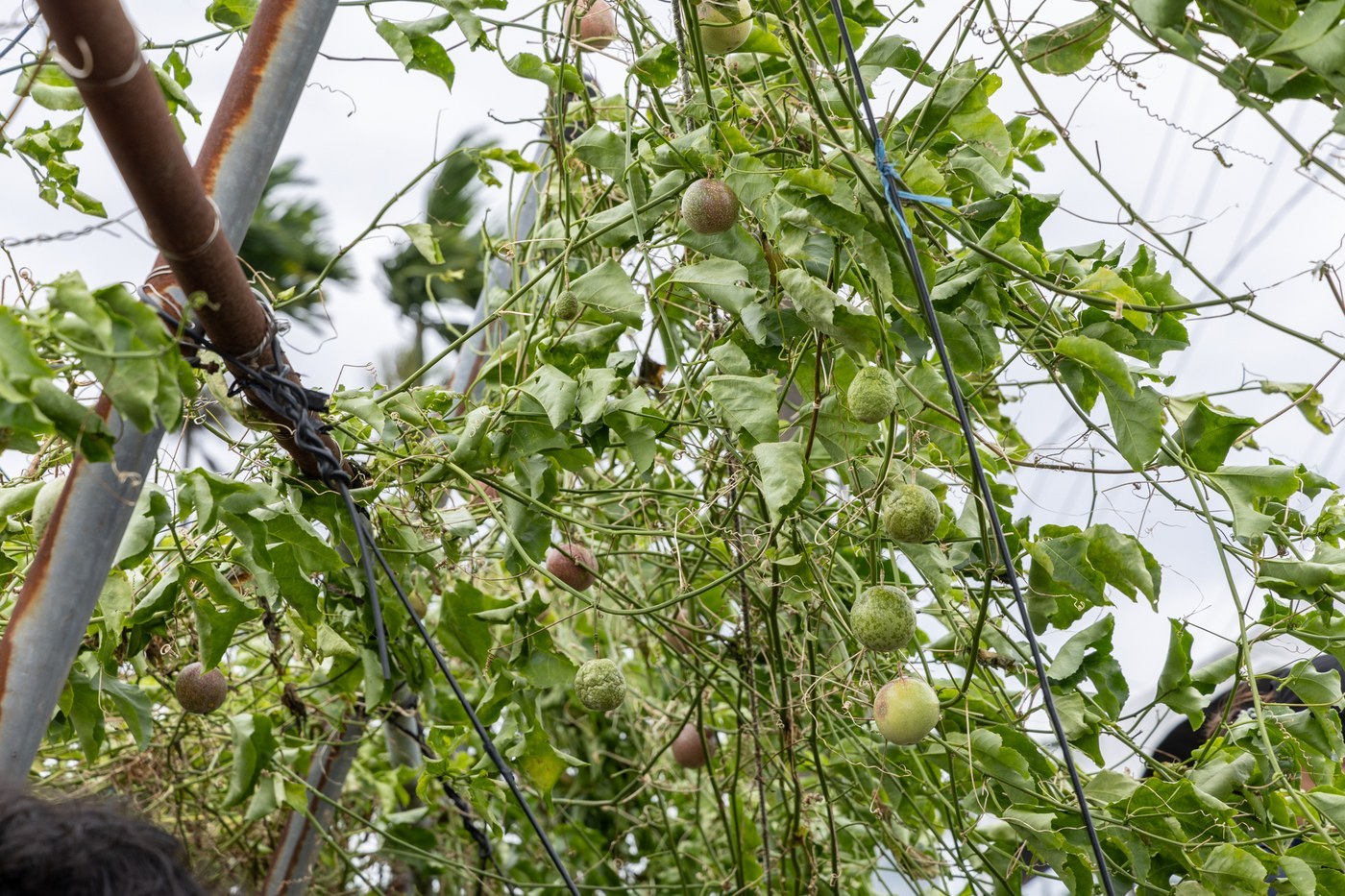
Passion fruit (Passiflora edulis) is a fast-growing, tendril-climbing evergreen vine grown for its dramatic, intricate flowers and lush foliage. It rewards warmth and steady care but needs a sturdy support and regular attention, making it a moderate-difficulty plant.
Light
Give passion fruit full sun, ideally six to eight hours a day; abundant light drives strong vine growth and heavy flowering. In hot climates a little afternoon shade prevents leaf scorch, but too much shade produces leafy vines with few blooms. Indoors, place it at the brightest possible window or under supplemental grow lights.
Water
Keep the soil evenly moist during the growing season, watering regularly and deeply so the shallow roots never dry out completely. The vine is thirsty when actively growing and flowering, but it dislikes waterlogged ground, so ensure drainage is good. Reduce watering in cool weather when growth slows, letting the top inch dry slightly between drinks.
Soil & Potting
Plant in rich, well-drained soil high in organic matter, with a slightly acidic to neutral pH. Heavy, poorly draining soils cause root problems, so lighten clay with compost and grit. In containers use a large pot with a fertile, free-draining mix and provide a trellis or wires for the tendrils to grip.
Humidity & Temperature
Passion fruit is subtropical and thrives in warmth with moderate to high humidity. It grows best between roughly 20-30C and is damaged by frost, so in cool climates grow it in a greenhouse, conservatory, or a container that can be moved indoors for winter. Protect from cold, drying winds.
Feeding
This hungry vine benefits from regular feeding through spring and summer. Use a balanced fertilizer, or one slightly higher in potassium once flowering begins, applied every few weeks. Avoid excessive nitrogen, which pushes leafy growth at the expense of flowers. Ease off feeding in autumn and winter.
Propagation
Grow from seed sown fresh in warm conditions, though germination can be slow and uneven. Semi-ripe stem cuttings taken in summer root readily in a warm, humid environment, and layering a low stem also works. Named or grafted plants are often preferred for reliable vigor.
Repotting / Pruning
Repot container plants each spring into a larger pot until they reach a manageable maximum size, then top-dress annually. Prune in early spring to remove weak, dead, or tangled growth and to keep the vine within bounds; passion fruit flowers on new growth, so pruning also stimulates fresh flowering shoots. Train and tie stems onto the support as they extend.
Common Problems & Pests
Watch for aphids, spider mites, scale, and whitefly, especially under glass; treat early with insecticidal soap and improve airflow. Yellowing leaves often signal overwatering, poor drainage, or nutrient deficiency. Few or no flowers usually trace to insufficient light or too much nitrogen. Fungal leaf spots and root rot appear in wet, stagnant conditions, so water at the base and ensure drainage. Cold snaps cause leaf drop and dieback.
Seasonal Care Tips
In spring, prune, repot, resume feeding, and train new growth. Through summer, water and feed generously and keep tying in the fast-extending vines. In autumn, taper watering and feeding as growth slows. In winter, keep the plant frost-free and on the dry side, moving container specimens to a bright, sheltered indoor spot in cold regions.
Frequently asked questions
Why does my passion fruit vine have lots of leaves but no flowers?
Excess leafy growth with few flowers usually means too much nitrogen or too little light. Move the vine to full sun and switch to a higher-potassium feed to encourage blooming.
How much support does a passion fruit vine need?
A lot. It is a vigorous tendril climber that can extend several meters in a season, so give it a strong trellis, fence, or wire framework and tie in new stems regularly.
Can I grow passion fruit in a cold climate?
Yes, if you protect it from frost. Grow it in a large container on a sturdy support and move it into a greenhouse, conservatory, or bright indoor spot for winter, keeping it warm and only lightly watered.
Why are the leaves turning yellow?
Yellowing leaves most often point to overwatering or poor drainage, though nutrient shortages can also cause it. Let the soil surface dry slightly between waterings, ensure the pot drains freely, and feed during active growth.
Passion Fruit identified by the community
Recent Passion Fruit specimens identified with Plant Identifier.