How to Care for Passionflower
Grow passionflower (Passiflora incarnata) with these tips for vigorous vines, intricate blooms, sturdy support, and even moisture.
Read the full Passionflower encyclopedia entry →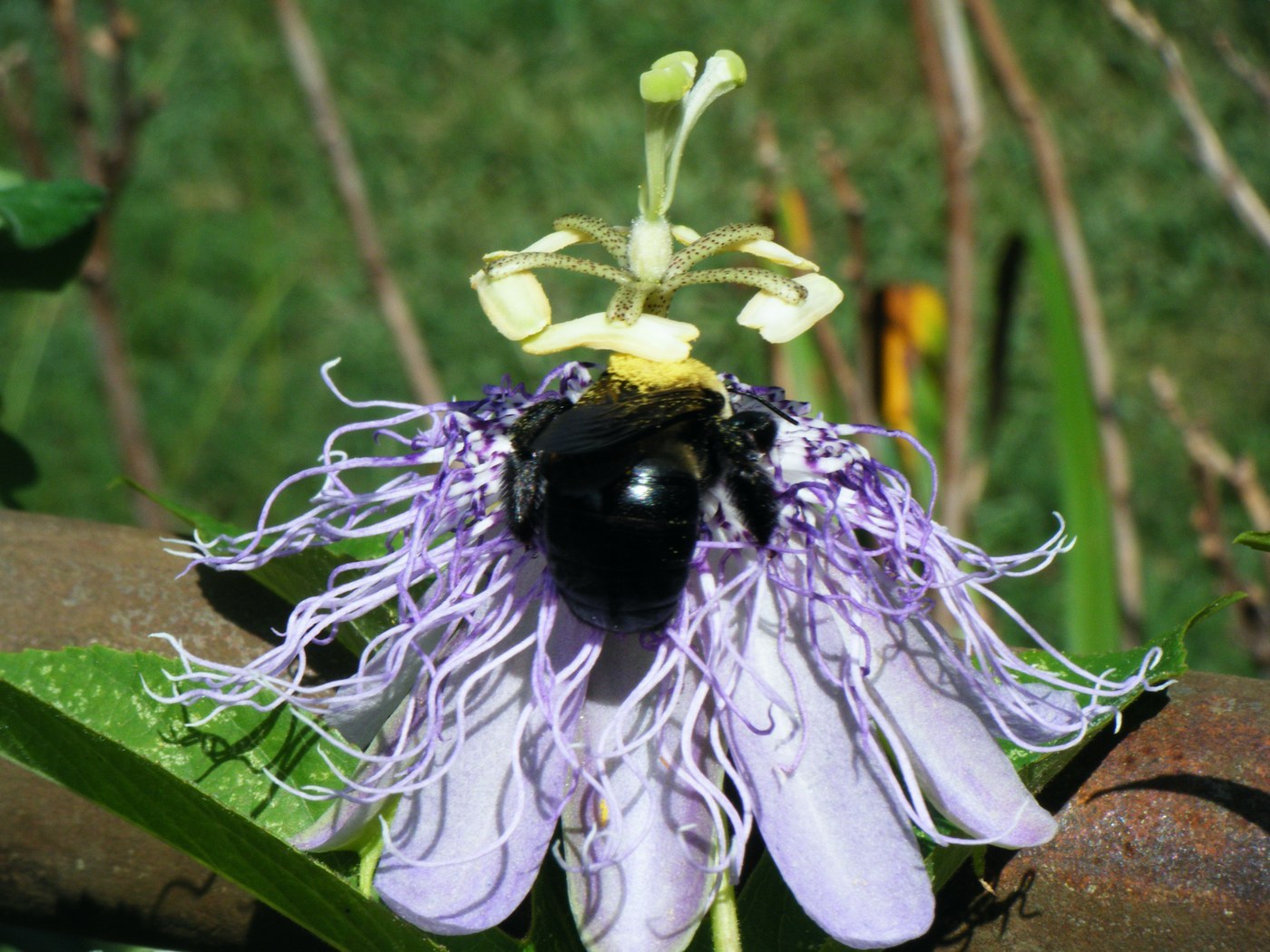
Passionflower is a fast-growing climbing vine famous for its intricate, otherworldly flowers with fringed coronas and prominent central structures. Vigorous and tendril-climbing, it scrambles up trellises and fences to create a lush, exotic screen through summer. Its moderate care needs reward attentive growers with a spectacular succession of blooms.
Light
Passionflower flowers best in full sun to part shade, ideally receiving at least six hours of direct light for the heaviest bloom. In very hot regions some afternoon shade prevents stress, while in cooler climates maximum sun improves flowering and helps the vine ripen wood. Too little light yields lush foliage but few flowers.
Water
Keep the soil evenly moist, especially during active growth and flowering. This vigorous vine has high water needs in summer and wilts if allowed to dry out badly, yet it also dislikes standing water. Deep, regular watering suits it best, tapering off as growth slows in autumn. Mulch helps conserve moisture and keep roots cool.
Soil & Potting
Grow in fertile, well-drained soil enriched with organic matter. A moisture-retentive but free-draining loam is ideal, with a slightly acidic to neutral pH. For containers, use a rich, quality potting mix and a large pot, since this vine is a strong grower with an extensive root system. Ensure excellent drainage to prevent root rot.
Humidity & Temperature
Passionflower enjoys warm summer temperatures and moderate to high humidity. The hardy species survives cold winters by dying back to the ground and resprouting from the roots in late spring, so it can be slow to reappear. In colder zones mulch the root zone heavily for winter protection, or grow it in a container to overwinter under shelter.
Feeding
Feed a vigorous vine generously during the growing season. Apply a balanced fertilizer in spring and follow with a bloom-oriented feed higher in potassium through summer to encourage flowering rather than excessive leaf growth. Container plants benefit from regular diluted liquid feeds. Ease off feeding in autumn as the vine prepares for dormancy.
Propagation
Propagate from softwood or semi-ripe stem cuttings taken in summer, rooting them in a humid, warm environment. It also spreads by suckers, which can be lifted and replanted, and can be grown from seed, though seed germination is often slow and erratic and benefits from soaking and warmth. Layering long stems is another reliable method.
Repotting / Pruning
Repot container specimens each spring into fresh mix as they are strong feeders. Prune in early spring before new growth, cutting back to a framework and removing dead or tangled stems to control the vine's rampant growth and encourage flowering on new wood. Provide a sturdy trellis or wires early, as tendrils grab quickly.
Common Problems & Pests
Watch for spider mites, aphids, whiteflies, and scale, particularly on indoor or greenhouse plants; treat with insecticidal soap and improve air flow. Yellowing leaves can indicate overwatering or nutrient deficiency. Fungal leaf spots appear in wet, crowded conditions. Failure to flower usually points to too much shade or excess nitrogen.
Seasonal Care Tips
In spring, cut back the previous year's growth and begin feeding as new shoots emerge, being patient since hardy types resprout late. Water and feed steadily through the summer bloom season, guiding tendrils onto support. Reduce watering in autumn and mulch the crown heavily before winter in cold climates to protect the dormant roots.
Frequently asked questions
Why won't my passionflower bloom?
The usual culprits are too little sun or too much nitrogen fertilizer, which favors foliage over flowers. Give it at least six hours of sun and switch to a higher-potassium feed to encourage blooming.
My passionflower hasn't come back in spring. Is it dead?
Hardy passionflower dies back to the ground in winter and can be very slow to resprout, sometimes not until late spring. Be patient and keep the root zone mulched before assuming it is lost.
How do I keep passionflower from taking over?
Prune hard in early spring to a basic framework, thin tangled stems through the season, and provide a dedicated trellis. Removing suckers keeps it from spreading beyond its bounds.
Can I grow passionflower in a pot?
Yes. Use a large container with rich, well-drained mix and a sturdy support. Feed and water regularly, and in cold climates move the pot to a sheltered spot to overwinter.
Passionflower identified by the community
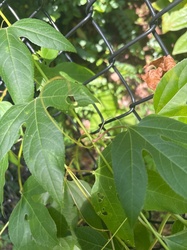
Recent Passionflower specimens identified with Plant Identifier.