Passionflower
Passiflora incarnata
Passionflower is a vigorous climbing vine famous for its intricate, fringed purple-and-white blooms. The maypop form (Passiflora incarnata) is hardy in temperate gardens and produces egg-shaped fruits.
- Light
- Full sun to part shade
- Water
- Moderate; keep evenly moist
- Difficulty
- Moderate
Got a plant like this?
Identify any plant from a photo, free.
Overview
Passionflower is a fast-growing tendril-climbing vine in the genus Passiflora, which contains over 500 species native chiefly to the Americas. The species most associated with the common name is Passiflora incarnata, the purple passionflower or maypop, native to the southeastern United States.
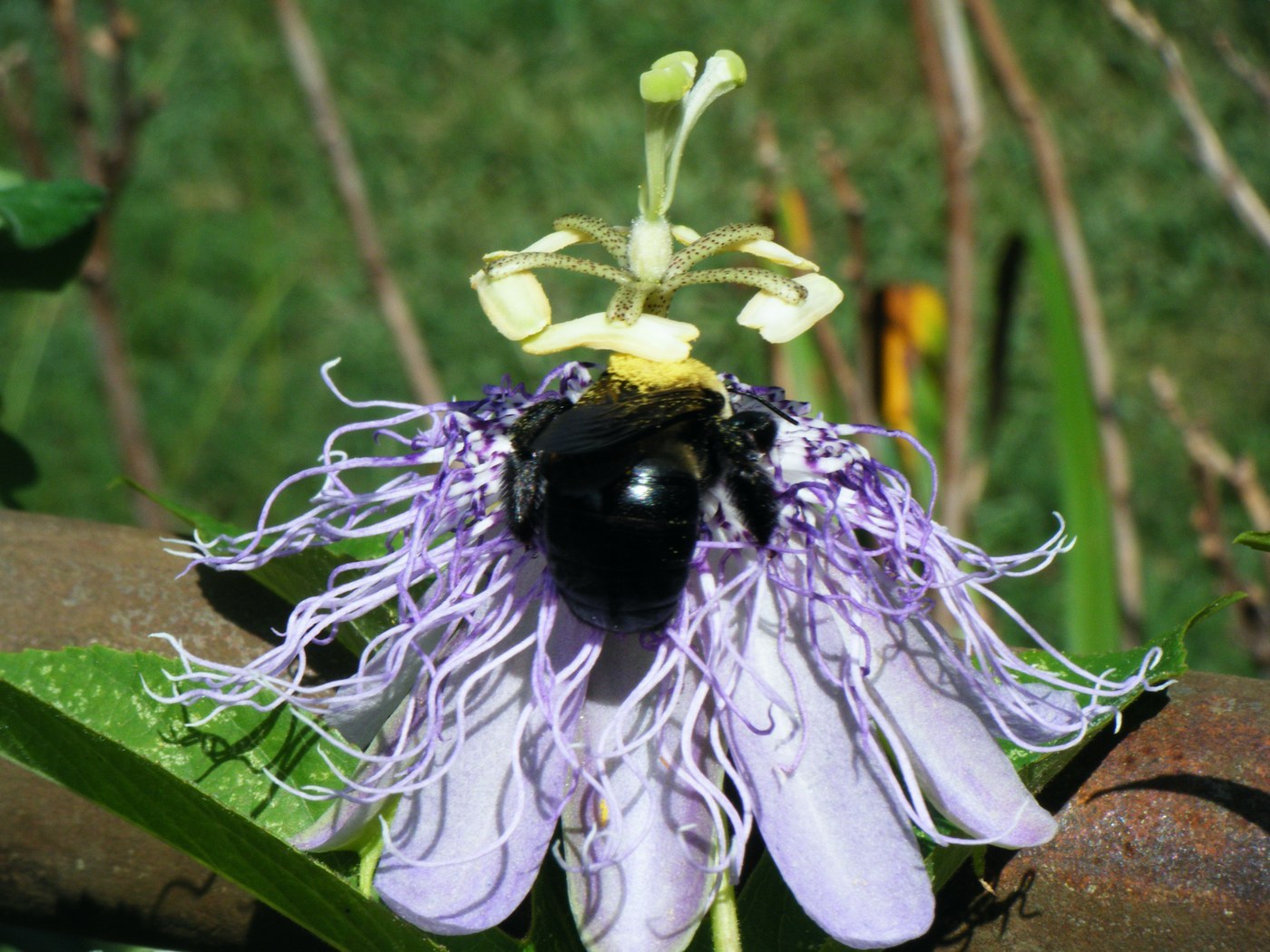
Its flowers are among the most architecturally complex of any plant, with a ring of thread-like filaments (the corona) sitting atop ten tepals and surrounding prominent reproductive structures. Spanish missionaries saw in this structure a symbol of the Passion of Christ, giving the plant its common name.
The genus also includes the passion fruit vine (Passiflora edulis).
How to identify it
- Flowers: 5-8 cm wide, with a striking fringed corona of purple, blue and white filaments above ten pale tepals; central column bears three styles and five stamens
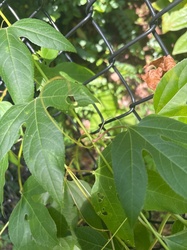
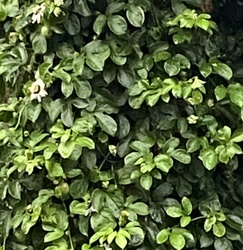
- Leaves: alternate, deeply three- to five-lobed, finely toothed, deep green
- Habit: herbaceous to woody perennial vine climbing by axillary tendrils, reaching 4-6 m
- Fruit: egg-shaped green berry (the "maypop") ripening to yellow, filled with seeds in pulp
- Stems: slender, sometimes dying back to the root in cold winters
Care & growing
Light: Best flowering in full sun, though it tolerates partial shade.
Water: Keep soil evenly moist during active growth; established plants tolerate short dry spells.
Soil: Well-drained, moderately fertile loam; tolerates a range of pH.
Temperature: P. incarnata is root-hardy to about -15°C (USDA zone 6) and resprouts in spring; tropical species need frost protection.
Feeding: A light balanced feed in spring supports growth; avoid excess nitrogen, which favors leaves over flowers.
Propagation: Sow scarified seed, take softwood cuttings, or divide root suckers. Provide a trellis, arch or fence for support.
Habitat & origin
Passiflora incarnata is native to the southeastern and south-central United States, from Texas and Florida north to Pennsylvania, where it grows in sunny disturbed ground, field edges, roadsides and thickets.
The broader genus is concentrated in tropical and subtropical America, with a few species in Asia and Australasia. Passionflowers are now cultivated worldwide as ornamental vines and, in warm regions, as fruit crops.
Frequently asked questions
Will passionflower survive winter outdoors?
The maypop (P. incarnata) is root-hardy to about USDA zone 6 and will resprout from the roots in spring even after the top dies back; tropical species need frost-free conditions.
Why isn't my passionflower blooming?
Too much shade or excess nitrogen fertilizer are the most common causes. Move it to full sun and use a balanced or phosphorus-leaning feed.
Why is it called passionflower?
Spanish missionaries saw in the flower's intricate structure a symbol of the Passion of Christ, which gave the plant its common name.
What do passionflower blooms look like?
Each flower is 5-8 cm wide with a striking fringed corona of purple, blue and white filaments above ten pale tepals, and a central column bearing three styles and five stamens.
Passionflower guides
In-depth guides for identifying, growing, and caring for Passionflower.
How to Care for Passionflower
Grow passionflower (Passiflora incarnata) with these tips for vigorous vines, intricate blooms, sturdy support, and even moisture.
Passionflower Identification Guide
How to recognize passionflower (Passiflora) by its unmistakable fringed corona, climbing tendrils, and lobed leaves. Covers leaves, flowers, fruit, look-alikes, and where it grows.
Passionflower identified by the community
Real specimens identified with Plant Identifier.