
How to Care for Pawpaw Tree
Grow the Pawpaw Tree (Asimina triloba): an understory native with tropical-looking leaves and maroon flowers; shade young, sun when mature.
Read the full Pawpaw Tree encyclopedia entry →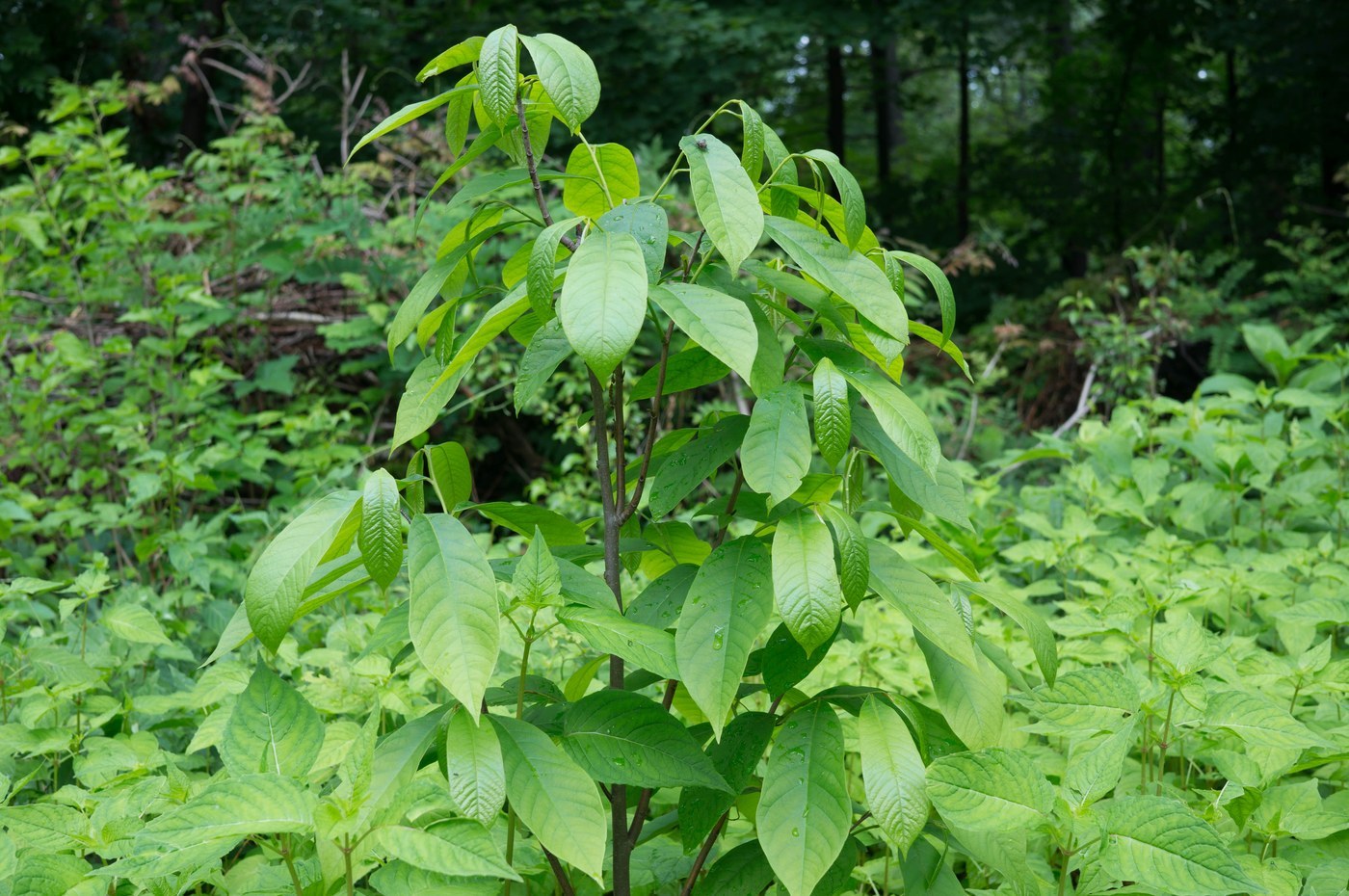
The Pawpaw Tree (Asimina triloba) is a small, native understory tree grown for its large, drooping, tropical-looking leaves that turn clear yellow in autumn and its unusual maroon spring flowers. It has particular establishment needs that make it a moderate rather than beginner plant, but a well-sited pawpaw becomes a handsome, trouble-free specimen.
Light
Mature pawpaws flower and grow best in full sun, but seedlings and young trees are naturally understory plants that require shade for their first year or two. Plant young trees where they get filtered light or afternoon shade, then let them grow into the sun as they mature. Skipping early shade is a common cause of scorched seedlings and failure to establish.
Water
Pawpaws want regular water in moist, well-drained soil, especially while young. They are naturally found along stream banks and bottomlands, so they appreciate consistent moisture and resent prolonged drought. Water deeply and regularly through the establishment years and during dry summer spells, while ensuring the soil never becomes stagnant or waterlogged.
Soil & Potting
Provide deep, fertile, slightly acidic, moist yet well-drained soil rich in organic matter. Pawpaws develop a long, brittle taproot and dislike disturbance, so choose the planting site carefully and set young trees out while small. Amend the planting area with compost, mulch well to keep roots cool and moist, and avoid heavy, poorly drained clay.
Humidity & Temperature
A hardy temperate tree, the pawpaw needs a proper cold winter dormancy and a warm growing season. It tolerates humid summers well, reflecting its bottomland origins. It is reliably cold hardy across a broad temperate range. The main climatic requirement is enough winter chill and a long enough frost-free season to complete its cycle.
Feeding
Feed in spring with a balanced fertilizer or a generous topdressing of compost to support vigorous growth, particularly on lean soils. Maintaining an organic mulch layer feeds the roots gradually and conserves moisture. Avoid excessive fertilizer late in the season, which can push tender growth that fails to harden before winter.
Propagation
Pawpaw is usually grown from seed, which must not be allowed to dry out and needs a period of cold, moist stratification before it will germinate; germination is slow. Because of the deep taproot, sow seed in tall, deep containers or directly in place. Named selections are propagated by grafting, as cuttings root very poorly. Pawpaws also sucker and can form small clonal patches.
Repotting / Pruning
Handle the taproot carefully and transplant only while young and dormant. Pruning needs are minimal: remove dead, damaged, or crossing branches in late winter and shape lightly to a central leader if desired. Suckers can be removed to keep a single-trunk form or left to develop a naturalized thicket. Deep containers are essential for potted young trees given the taproot.
Common Problems & Pests
Pawpaws are notably free of most serious pests and diseases, one of their great advantages. The main challenges are cultural: transplant failure from taproot disturbance, and scorched or struggling young trees given too much early sun or too little water. Occasional leaf spots may appear but rarely harm the tree. Getting the site, shade, and moisture right at planting solves nearly all issues.
Seasonal Care Tips
Plant in spring while dormant and small, shading young trees through their first summers. Keep soil consistently moist and mulched during the growing season, and water through drought. Feed in spring. Enjoy the golden foliage color in fall, then let the tree rest through its needed winter dormancy. Protect the trunks of very young trees from sunscald in exposed sites.
Frequently asked questions
Why do young pawpaw trees need shade?
Pawpaws are understory trees, and seedlings are adapted to grow in the shade of larger trees. Direct sun scorches them in their first year or two. Provide filtered light or afternoon shade at first, then let them grow into full sun as they mature.
Why is my pawpaw hard to transplant?
It forms a long, brittle taproot that resents disturbance. Transplant only while the tree is young, small, and dormant, keep the root ball intact, and grow seedlings in deep containers to accommodate the taproot.
How do I germinate pawpaw seed?
The seed must never dry out and requires several months of cold, moist stratification before it will sprout. Sow it in deep containers or in place, keep it moist, and be patient as germination is slow.
Do pawpaws have many pest problems?
No, they are remarkably free of serious pests and diseases. Most trouble comes from cultural mistakes such as transplant shock, insufficient shade when young, or drought, rather than from insects or disease.