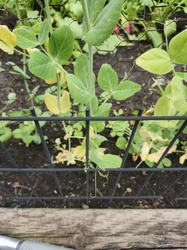
How to Care for Pea
Grow lush, productive pea vines with cool-season timing, steady moisture, and simple trellis support in full sun.
Read the full Pea encyclopedia entry →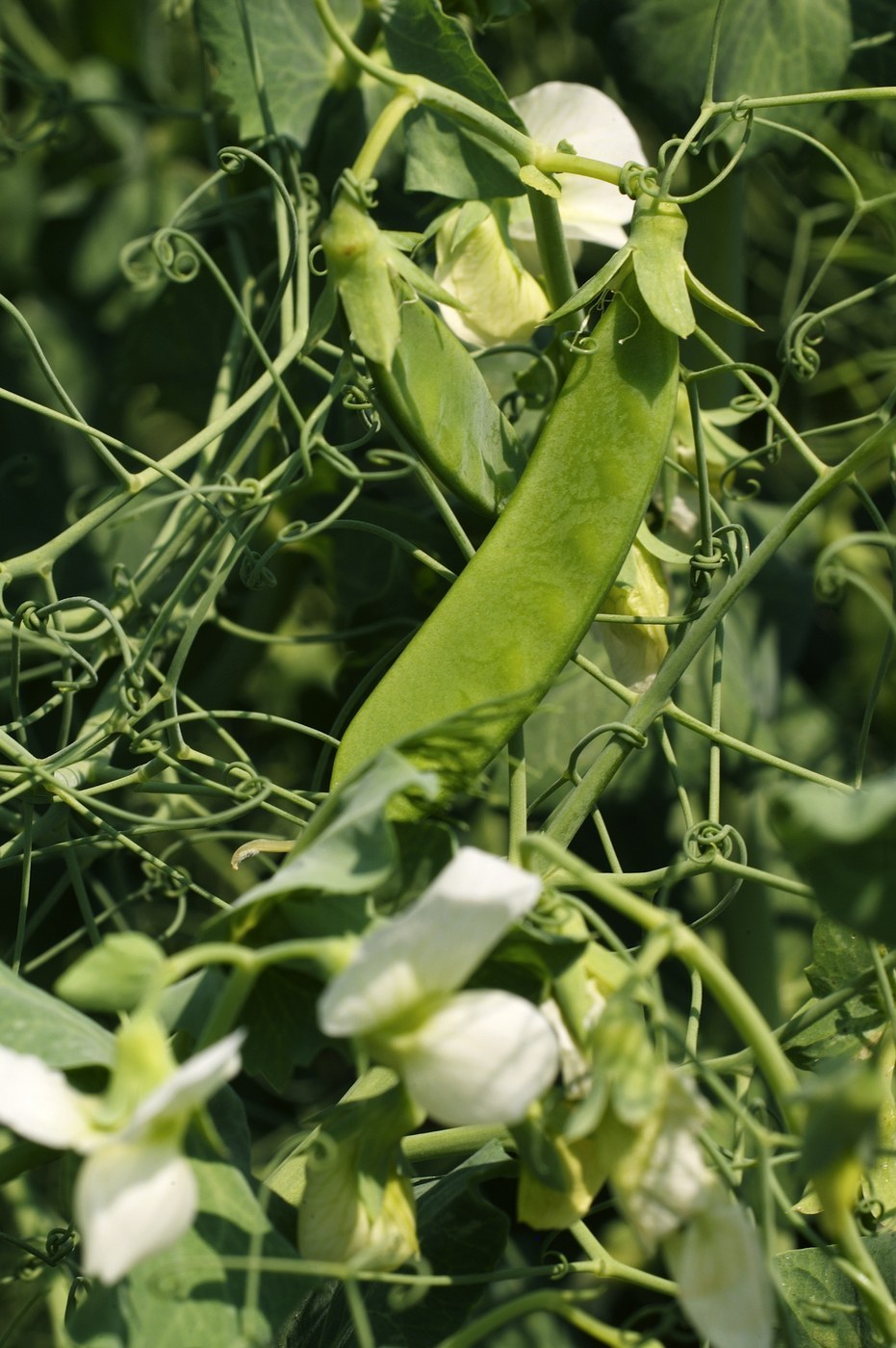
The pea (Pisum sativum) is an easygoing cool-season climbing annual prized for its fresh green tendrils, delicate white or pink blossoms, and quick, rewarding growth from seed. It is an excellent beginner crop that thrives in the mild temperatures of spring and autumn.
Light
Give peas full sun, at least 6 hours of direct light per day. They will tolerate a little light afternoon shade in warmer regions, which can extend the season by keeping the vines cooler, but too much shade produces leggy plants and sparse flowering.
Water
Keep the soil evenly moist, never letting it dry out completely during flowering and pod set. Aim for about an inch of water per week, more in dry or windy conditions. Water at the base to keep foliage dry and reduce fungal issues, and mulch to conserve moisture and keep roots cool.
Soil & Potting
Peas grow best in loose, well-drained, fertile soil rich in organic matter with a near-neutral pH of about 6.0 to 7.5. Work in compost before sowing. In containers, choose a deep pot at least 10-12 inches and use a quality potting mix; a wide window box works well for a short row of dwarf types.
Humidity & Temperature
Peas are cool-weather lovers, happiest between 55 and 70 F. They germinate in cool soil (as low as 40 F) and can shrug off light frost once established. Growth and pod quality decline sharply once daytime temperatures climb above 80 F, so time plantings to mature before summer heat.
Feeding
As legumes, peas fix much of their own nitrogen and need little supplemental feeding. A modest dose of balanced or low-nitrogen, phosphorus-rich fertilizer at planting supports flowering. Avoid heavy nitrogen, which drives leafy growth at the expense of pods.
Propagation
Peas are grown from seed, sown directly where they will grow. Plant seeds 1 inch deep and about 2 inches apart as soon as the soil can be worked in spring, or again in late summer for a fall crop. Soaking seeds overnight speeds germination. Succession sow every two to three weeks for a continuous harvest.
Repotting / Pruning
Peas are annuals and are not repotted. Provide a trellis, netting, or brushwood early so the tendrils have something to climb; pinching the growing tips of tall vines encourages bushier growth and can be used to control height. Remove spent, yellowing vines at season's end.
Common Problems & Pests
Watch for powdery mildew and downy mildew in humid or crowded conditions; improve airflow and choose resistant varieties. Aphids can cluster on tender tips and may be rinsed off or managed with insecticidal soap. Pea weevils, root rot in soggy soil, and slugs on seedlings are other issues. Good drainage and crop rotation prevent most soilborne problems.
Seasonal Care Tips
Start in early spring or late summer for the two natural growing windows. Mulch to keep roots cool as the season warms. In hot climates grow peas as a winter crop. Once vines fade after their peak, cut them back and leave the nitrogen-rich roots in the soil to benefit the next planting.
Frequently asked questions
When should I plant peas?
Sow directly outdoors as soon as the soil can be worked in early spring, or again in late summer for a fall crop. Peas thrive in cool weather and mature poorly once temperatures climb above 80 F.
Do peas need a trellis?
Most climbing types benefit from a trellis, netting, or brushwood support set up at sowing time. Dwarf or bush varieties are more self-supporting but still appreciate a low framework to keep vines off the ground.
Why are my pea plants turning yellow?
Yellowing often signals overly wet, poorly drained soil and root rot, or simply the natural end of the season. Check that drainage is good, ease off watering if soil is soggy, and avoid overhead watering.
Can I grow peas in a container?
Yes. Use a deep pot at least 10-12 inches with quality potting mix, keep it in full sun, water consistently, and add a small trellis. Dwarf varieties are especially well suited to pots and window boxes.
Pea identified by the community
Recent Pea specimens identified with Plant Identifier.