
How to Care for Pennyroyal
Pennyroyal is a low, creeping mint relative that thrives in moist soil and sun, forming a fragrant groundcovering mat.
Read the full Pennyroyal encyclopedia entry →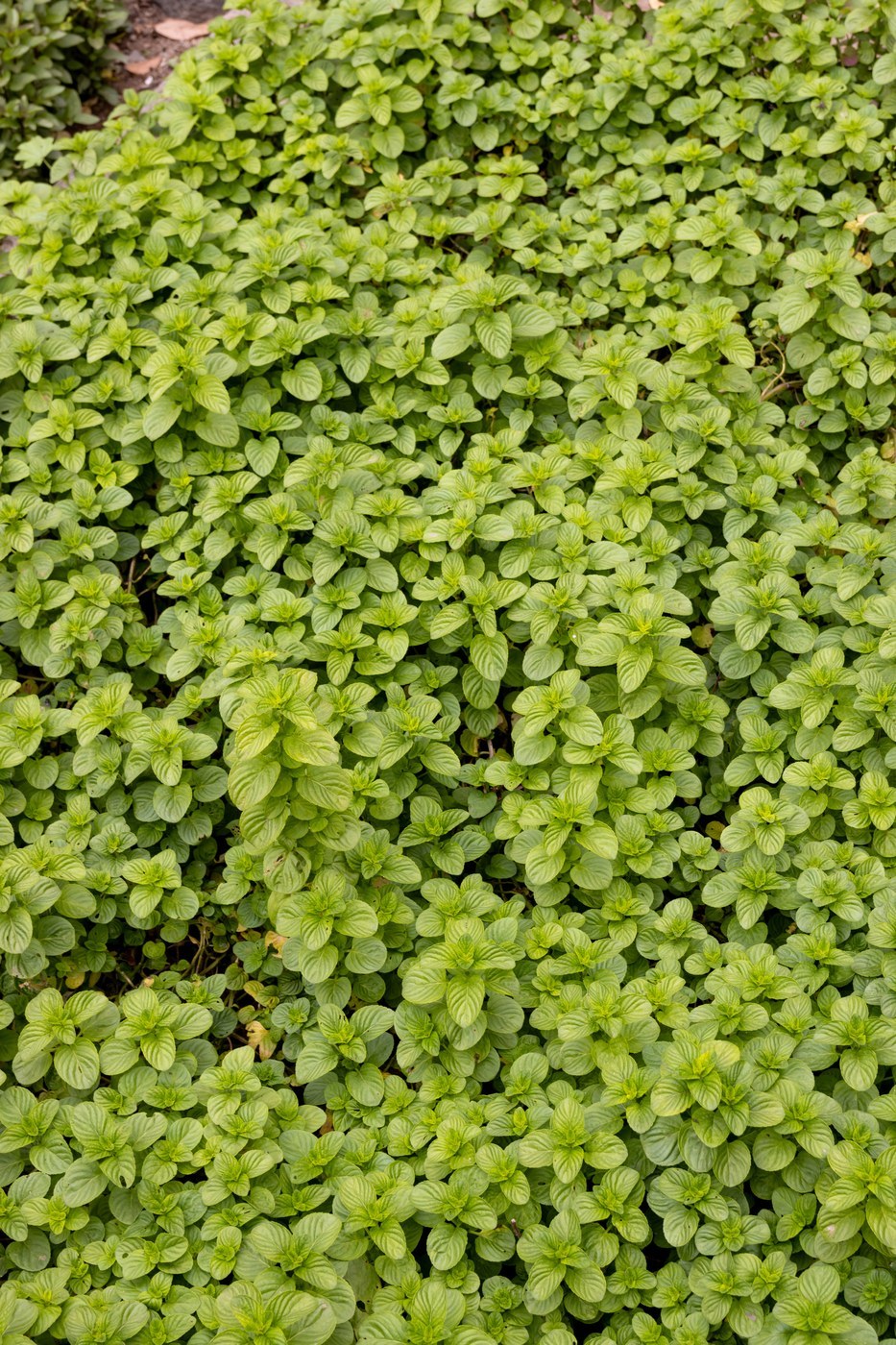
Pennyroyal (Mentha pulegium) is a low-growing member of the mint family with small rounded leaves and whorls of tiny lilac flowers on creeping stems. Grown ornamentally as a fragrant groundcover, it spreads readily and thrives in moist, sunny to partly shaded spots.
Light
Pennyroyal grows well in full sun to partial shade. In cooler climates it takes full sun happily, while in hot regions a bit of afternoon shade prevents the shallow-rooted mat from scorching and drying out. Ample light keeps growth dense and encourages summer flowering.
Water
Like most mints, pennyroyal likes consistently moist soil and dislikes drying out. Water regularly, especially in sun and heat, to keep the low mat lush. It tolerates damp ground better than most herbs and can even edge boggy areas, but it should not sit in stagnant water.
Soil & Potting
Grow in average to rich, moisture-retentive soil that still drains reasonably. Pennyroyal is not fussy about fertility and adapts to many soils as long as moisture is steady. In containers use a standard potting mix; growing it in a pot is a good way to enjoy its spreading habit without letting it colonize a bed.
Humidity & Temperature
A hardy perennial in temperate zones, pennyroyal tolerates a wide range of temperatures and dies back in winter to return in spring. It appreciates moderate to high humidity and cooler conditions. In very hot, dry air the foliage can crisp, so keep it moist and lightly shaded in such climates.
Feeding
Pennyroyal needs little feeding. In poor soil, a light application of balanced fertilizer or a topdressing of compost in spring supports vigorous growth. Avoid heavy feeding, which produces weak, sprawling stems and dilutes the plant's compact, mat-forming character.
Propagation
Pennyroyal is very easy to propagate. Its creeping stems root where they touch the soil, so you can divide established clumps or lift and replant rooted runners. Stem cuttings root readily in water or moist soil, and it can also be grown from seed sown on the surface in spring.
Repotting / Pruning
Shear or mow the mat after flowering to keep it tidy and encourage fresh, dense regrowth. Because it spreads aggressively by runners, contain it in a buried pot or with edging to prevent it from overtaking neighbors. Divide and repot container plants every year or two when they become crowded.
Common Problems & Pests
Pennyroyal is generally trouble-free. Its main fault is vigorous spreading, so manage runners to keep it in bounds. Rust and mint-family fungal diseases can appear in crowded, damp, poorly ventilated plantings; thin growth and improve airflow. Watch occasionally for aphids and spider mites in dry conditions.
Seasonal Care Tips
Plant in spring once frost has passed. Keep the soil moist through summer and shear back after bloom for a neat mat. In fall the plant slows and dies back; a light mulch protects the roots over winter in colder zones, and fresh growth emerges in spring.
Frequently asked questions
Does pennyroyal spread aggressively?
Yes. Like other mints it creeps by rooting runners and can quickly cover ground. Grow it in a container or use edging to keep it contained if you do not want it colonizing a bed.
How much water does pennyroyal need?
Keep the soil consistently moist. Pennyroyal dislikes drying out and stays lush with regular watering, especially in sun and heat. It tolerates damp ground better than most herbs.
Can pennyroyal grow in shade?
It grows in full sun to partial shade. In hot climates some afternoon shade helps the shallow-rooted mat stay moist, while cooler regions can give it full sun.
Is pennyroyal a perennial?
Yes, in temperate zones it is a hardy perennial that dies back in winter and returns in spring. A light winter mulch helps protect the roots in colder areas.