Pennyroyal
Mentha pulegium
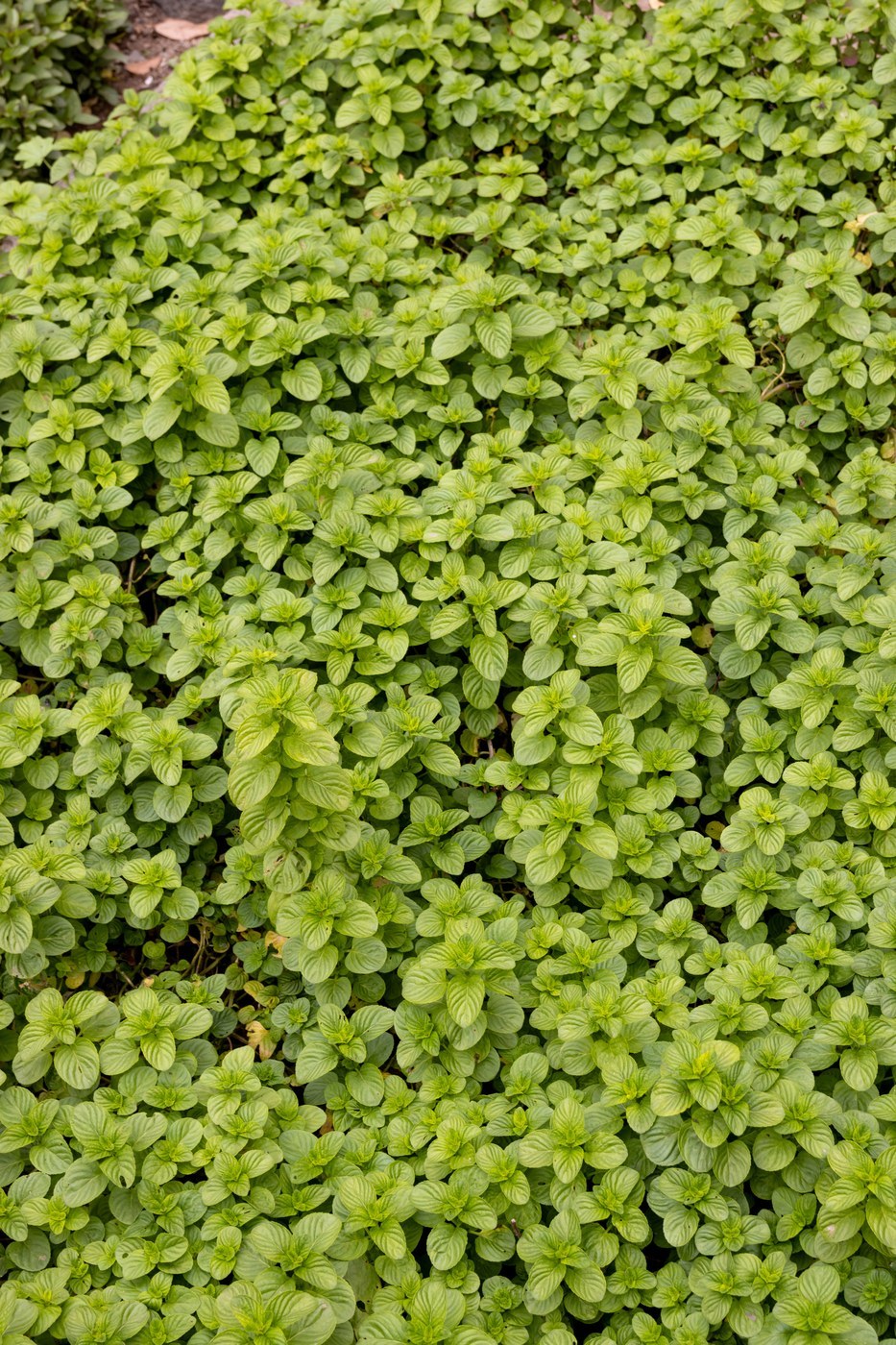
Pennyroyal is a low, creeping mint with a sharp, spearmint-like aroma. It forms a dense ground-hugging mat and produces whorls of small lilac flowers in summer.
- Light
- Full sun to part shade
- Water
- Regular; likes moist soil
- Difficulty
- Easy
Got a plant like this?
Identify any plant from a photo, free.
Overview
Pennyroyal (Mentha pulegium) is a low, mat-forming perennial in the mint family (Lamiaceae), native to Europe, North Africa and western Asia.
It has a powerful, sharp minty scent and a long history as a strewing herb. Its species name pulegium derives from the Latin for flea.
Today it is grown mainly as a low, fragrant ground cover for damp spots in the garden.
How to identify it
- Leaves: small, oval, grey-green, in opposite pairs, releasing a strong spearmint-like aroma when crushed
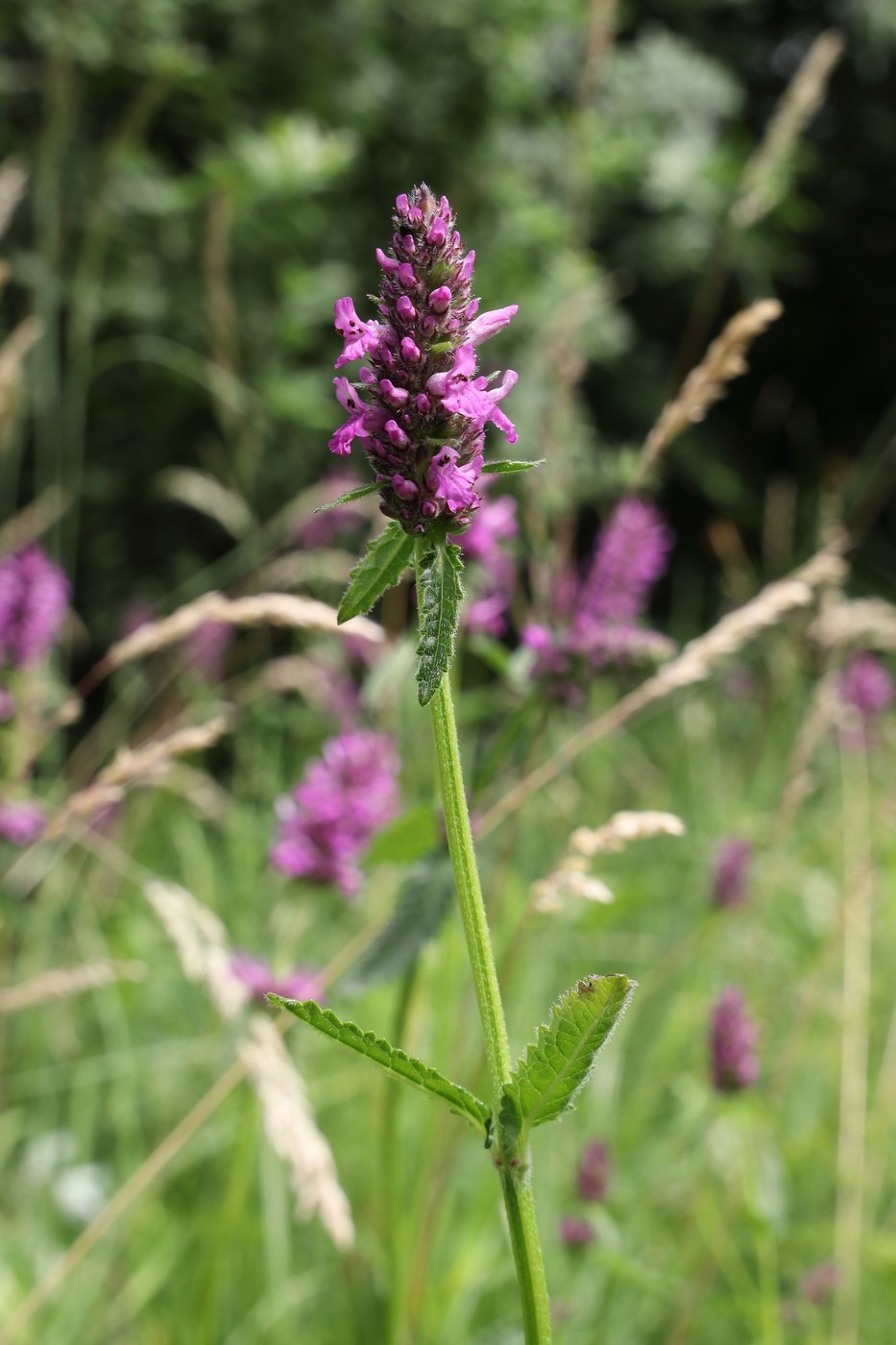
- Flowers: small lilac to pale purple flowers in tight whorls clustered around the stem at the leaf joints, in summer
- Stems: square (typical of mints), creeping and rooting at the nodes, then turning upward; mat-forming, usually under 30 cm
- Habit: low, spreading ground-hugging perennial
- Scent: sharp, penetrating mint fragrance
Care & growing
Light: Full sun to partial shade.
Water: Likes consistently moist soil; reflects its damp natural habitat.
Soil: Moist, fertile soil; tolerates a range of conditions.
Temperature: Hardy through about USDA zones 6-9.
Feeding: Minimal; like most mints it grows readily.
Propagation: Very easy from division, stem cuttings or rooted runners; it spreads quickly and can become invasive, so contain it.
Habitat & origin
Pennyroyal is native to Europe, North Africa and western Asia, where it grows in damp meadows, the muddy margins of ponds and streams, and seasonally wet ground.
It has naturalized in parts of North America and elsewhere and is considered invasive in some regions. In gardens it is grown as a fragrant creeping ground cover.
Frequently asked questions
How do I recognize pennyroyal?
Look for a low, creeping mat of small grey-green leaves on square stems, whorls of lilac flowers around the stem in summer, and a sharp spearmint-like scent when the leaves are crushed.
Does pennyroyal spread aggressively?
Yes. Like other mints it creeps and roots at the nodes, spreading quickly, and is considered invasive in some areas, so it is best contained.
Where does pennyroyal grow best?
It thrives in damp, fertile soil in full sun to partial shade, mirroring its natural home in wet meadows and pond margins.
How do I propagate it?
Very easily by division, stem cuttings, or rooted runners, as it readily roots wherever the creeping stems touch soil.
Pennyroyal guides
In-depth guides for identifying, growing, and caring for Pennyroyal.
How to Care for Pennyroyal
Pennyroyal is a low, creeping mint relative that thrives in moist soil and sun, forming a fragrant groundcovering mat.
Pennyroyal Identification Guide
Identify pennyroyal (Mentha pulegium) by its strong minty smell, square creeping stems, small oval leaves, and whorls of lilac flowers stacked along the stem.