
Pennyroyal Identification Guide
Identify pennyroyal (Mentha pulegium) by its strong minty smell, square creeping stems, small oval leaves, and whorls of lilac flowers stacked along the stem.
Read the full Pennyroyal encyclopedia entry →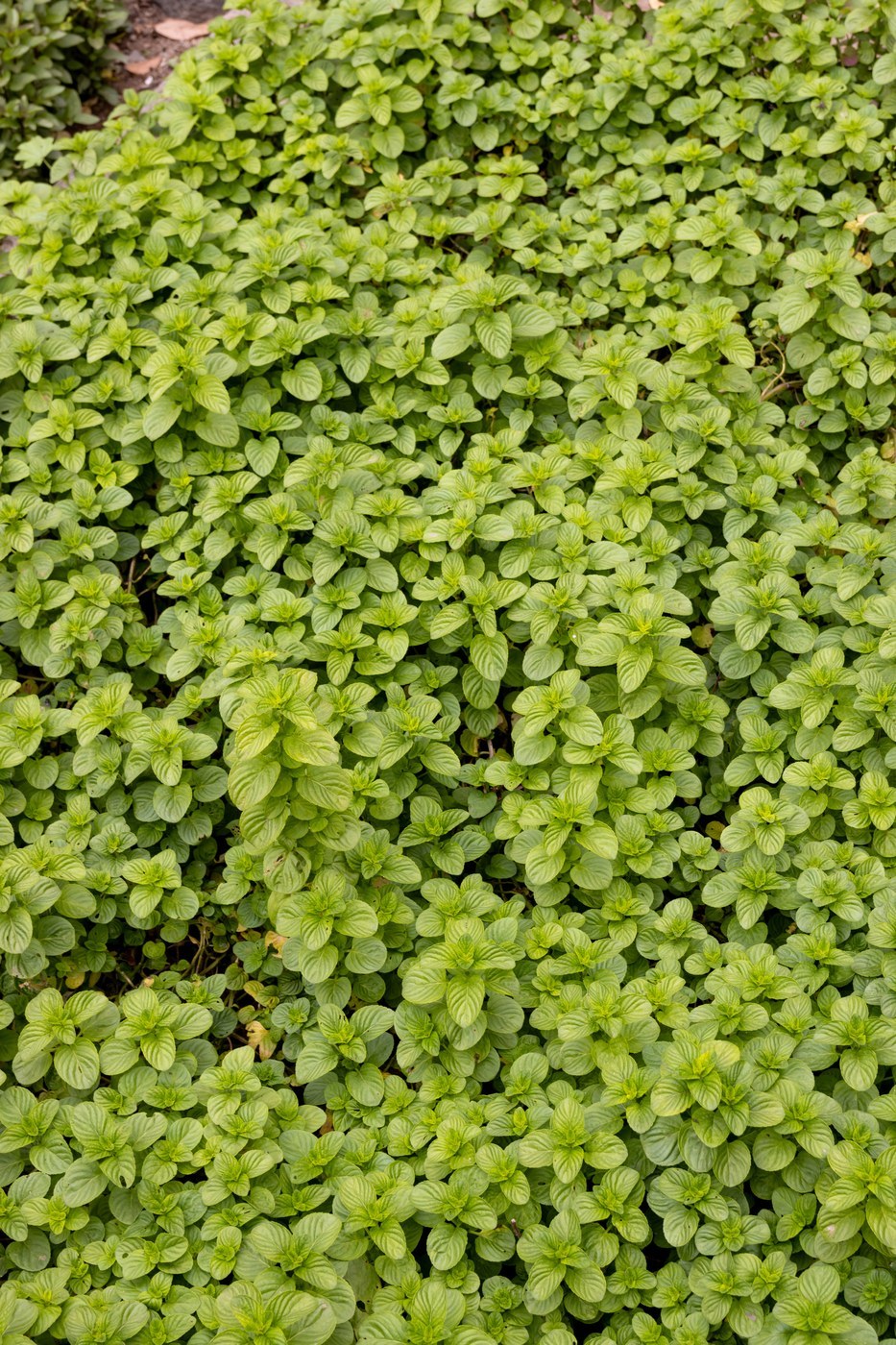
Key Identifying Features
Pennyroyal (Mentha pulegium) is a low, creeping member of the mint family (Lamiaceae) with a powerful scent. Its key marks:
- A strong, sharp peppermint-like aroma when the foliage is crushed (intense and slightly acrid).
- Square stems (typical of mints) that creep and root, then turn upward.
- Whorls (rings) of small lilac flowers stacked at intervals along the upper stem, with leafy gaps between them.
Leaves & Stems
Leaves are opposite, small (1-2 cm), oval to elliptic, with shallow rounded teeth or nearly smooth margins, and slightly grey-green and downy. They are much smaller than most garden mints. Stems are square in cross-section, slender, often purplish, and creep along the ground rooting at the nodes before the flowering shoots rise 10-30 cm. The whole plant lies low and forms patches in damp ground.
Flowers & Fruit
The flowers are the clearest mark: they form dense, rounded whorls (verticillasters) clustered around the stem in the leaf axils, spaced out along the upper stem with clear leafy gaps between each whorl (rather than a single terminal spike). Each flower is small, two-lipped, and pale lilac to pinkish-purple, blooming in summer. The fruit, as in all mints, is a set of four tiny nutlets in the persistent calyx.
How to Tell It Apart from Look-Alikes
- Other mints (spearmint, peppermint, water mint) are taller, have larger leaves, and water mint gathers its flowers into a rounded terminal head; pennyroyal keeps its whorls spaced along the stem with leafy gaps and stays low.
- Wild thyme (Thymus) also creeps and is aromatic but has tiny leaves, a thyme (not mint) scent, and clustered terminal flower heads.
- Self-heal and ground-ivy are square-stemmed too, but self-heal has a terminal flower club and ground-ivy has kidney-shaped scalloped leaves and a different smell.
The combination of a strong mint scent, low creeping square stems, small oval leaves, and spaced lilac flower whorls confirms pennyroyal.
Where You'll Find It
Pennyroyal favors damp, seasonally wet ground: the edges of ponds, marshy fields, ditches, grazed wet pastures, and bare muddy places that flood in winter and dry in summer, across Europe and naturalized elsewhere. It tolerates trampling by livestock.
Quick ID Checklist
- Strong mint scent when crushed
- Square, creeping rooting stems
- Small oval opposite leaves
- Whorls of lilac flowers spaced along the stem with leafy gaps
- Low habit in damp, seasonally wet ground
Frequently asked questions
How do I tell pennyroyal from other mints?
Pennyroyal is much lower and creeping, with small oval leaves and flowers arranged in separate whorls spaced along the stem with leafy gaps between them. Spearmint and peppermint are taller with larger leaves, and water mint gathers its flowers into a rounded terminal head.
Does pennyroyal smell like other mints?
Yes, crushing the leaves releases a strong, sharp peppermint-like aroma, though it is slightly more acrid than garden mint. The strong mint scent combined with the low creeping habit is a key clue.
Where are the flowers on the plant?
The small lilac, two-lipped flowers form dense rounded whorls around the stem in the leaf axils, stacked at intervals up the upper stem rather than in a single terminal spike.
What habitat does pennyroyal prefer?
It grows in damp, seasonally wet ground such as pond edges, marshy fields, ditches, and grazed wet pastures that flood in winter and dry out in summer, and it tolerates trampling by livestock.