
How to Care for Pentas
Grow Pentas lanceolata for clusters of starry blooms all season long in warm sun with even moisture and regular feeding.
Read the full Pentas encyclopedia entry →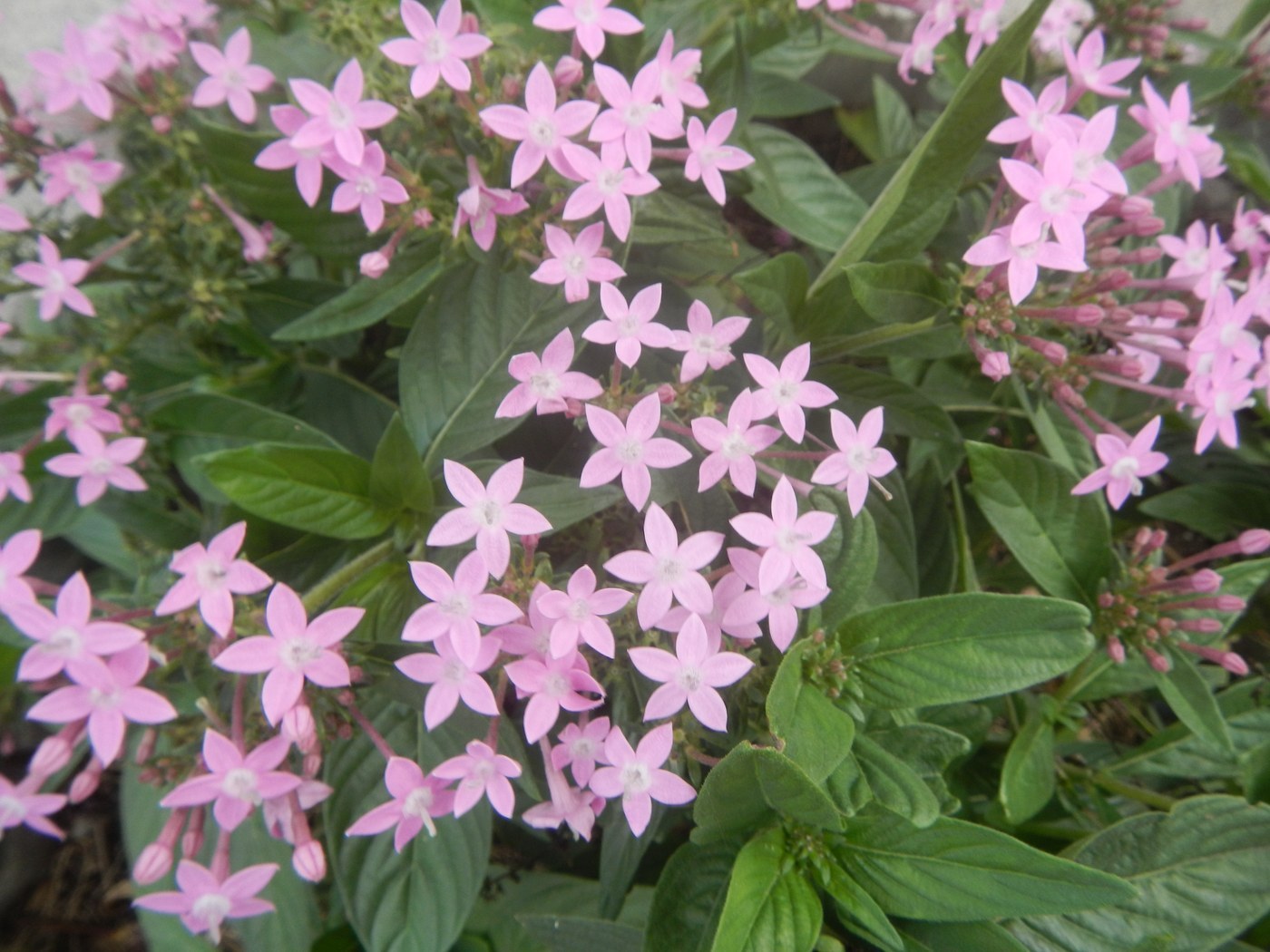
Pentas (Pentas lanceolata), also called star flower, is an easy, free-flowering shrub grown as a colorful bedding or container plant. Rounded clusters of five-pointed star blooms in pink, red, lavender, and white appear continuously through the warm season and draw pollinators.
Light
Pentas flowers best in full sun but tolerates part shade, where it will bloom a little less profusely and grow slightly leggier. For the densest, most saturated display, give it at least six hours of direct light. Indoors or on a patio, place it in the brightest spot you can offer.
Water
Water to keep the soil evenly moist, allowing the top inch to dry between waterings. Pentas is moderately drought-tolerant once established but blooms best with steady moisture. Avoid letting it wilt repeatedly, which stresses the plant, and avoid soggy soil, which invites root rot. Container plants dry faster and may need watering more often in heat.
Soil & Potting
Use a fertile, well-draining soil or a quality all-purpose potting mix. Pentas is not fussy about pH but appreciates organic matter for moisture retention and nutrients. Ensure containers have drainage holes. In garden beds, work in compost before planting to improve structure and fertility.
Humidity & Temperature
Pentas loves warmth and thrives in hot, humid conditions where many plants struggle. It is frost-sensitive and grown as an annual in cool climates or overwintered indoors. Keep it above cold thresholds; temperatures near or below freezing damage the foliage. Average household humidity suits indoor plants.
Feeding
Feed regularly during the growing season to fuel continuous bloom. Use a balanced water-soluble fertilizer every two to four weeks, or incorporate a slow-release granular feed at planting. Follow label rates; steady, moderate feeding produces more flowers than occasional heavy doses.
Propagation
Propagate from stem cuttings taken in spring or summer. Take 8-10 cm tips, remove lower leaves, and root in moist potting mix or water. Keep warm and humid until roots form. Pentas can also be grown from seed started indoors before the warm season.
Repotting / Pruning
Repot container plants when roots fill the pot, moving up one size in spring. Pinch young plants to encourage branching and bushiness. Deadhead spent flower clusters to keep new blooms coming and tidy the plant. Cut back leggy stems mid-season to rejuvenate growth and shape.
Common Problems & Pests
Yellowing lower leaves often indicate overwatering or poor drainage. Sparse flowering usually means too little light or nutrients. Watch for aphids, spider mites, and whiteflies, especially on indoor or stressed plants; rinse foliage and treat with insecticidal soap. Good air flow and avoiding wet foliage reduce fungal leaf spots.
Seasonal Care Tips
Plant out after the weather warms and all frost danger passes. Feed and deadhead through the bloom season for nonstop color. As nights cool, either treat it as an annual or bring container plants indoors to a bright, warm window before frost. Reduce feeding and watering in winter, then resume in spring as growth restarts.
Frequently asked questions
Why is my pentas not blooming much?
Insufficient light and nutrients are the usual causes. Move it into full sun, feed every two to four weeks during the growing season, and deadhead spent clusters to encourage more flowers.
Can pentas survive winter outdoors?
Only in frost-free climates. In cooler regions it is grown as an annual or brought indoors to a bright, warm window before the first frost, since freezing temperatures damage it.
How do I make my pentas bushier?
Pinch the growing tips of young plants and cut back leggy stems mid-season. Regular deadheading also encourages fuller, more branching growth.
How often should I water pentas in containers?
Keep the soil evenly moist, letting the top inch dry between waterings. In hot weather containers may need water daily, but avoid leaving the pot in standing water.