Pentas
Pentas lanceolata
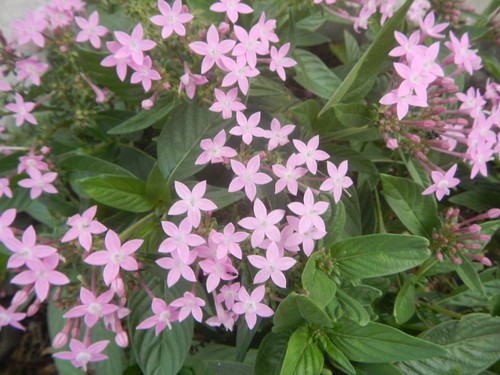
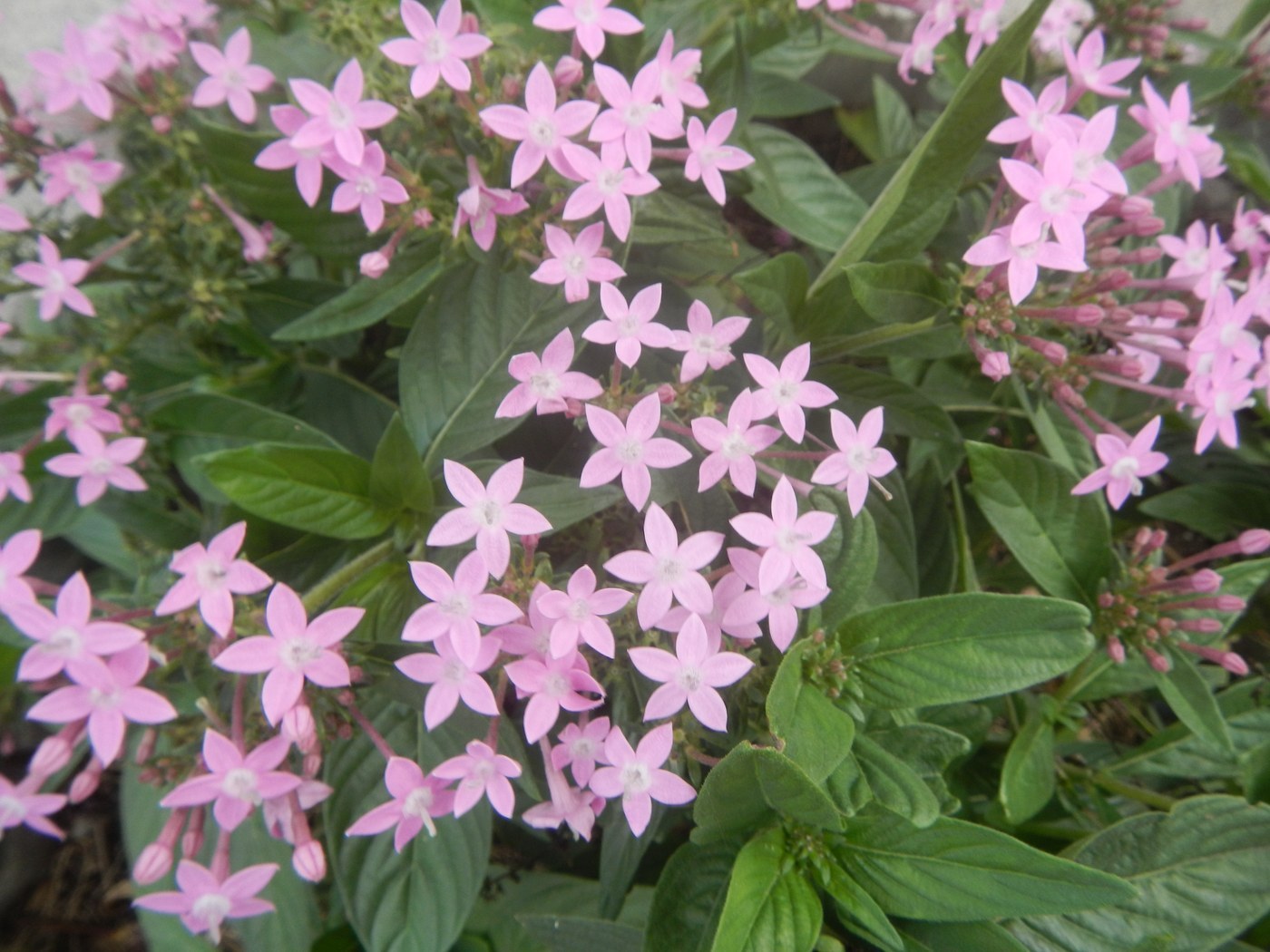
Pentas bears rounded clusters of star-shaped flowers that bloom all summer and are a magnet for butterflies and hummingbirds in warm climates.
- Light
- Full sun to part shade
- Water
- Moderate; even moisture
- Difficulty
- Easy
Got a plant like this?
Identify any plant from a photo, free.
Overview
Pentas, or Egyptian star flower, is a tender evergreen shrub grown as a summer annual in most regions and as a small flowering shrub in frost-free climates. It produces domed clusters of five-petaled, star-shaped flowers in red, pink, lavender, and white.
It blooms reliably through heat and humidity from late spring to frost and is one of the best pollinator plants available, drawing butterflies, bees, and hummingbirds in droves.
How to identify it
- Habit: Bushy and upright, 1-3 ft as an annual, larger as a shrub
- Flowers: Rounded clusters of small, 5-pointed star-shaped blooms
- Colors: Red, pink, rose, lavender, white
- Leaves: Lance-shaped, deeply veined, slightly fuzzy, green
- Bloom time: Late spring through frost
Care & growing
Light: Full sun for the heaviest flowering; tolerates part shade.
Water: Keep evenly moist; avoid both drought stress and waterlogging.
Soil: Rich, well-drained soil.
Temperature: Loves heat and humidity; not frost-hardy.
Feeding: Feed regularly through the growing season for continuous bloom.
Propagation: From cuttings or seed. Deadheading spent clusters encourages more flowers.
Habitat & origin
Native to East Africa, the Arabian Peninsula, and surrounding tropical regions, where it grows as an evergreen shrub.
It is grown worldwide as a warm-season bedding and container plant for its pollinator appeal, and as a landscape shrub in tropical and subtropical gardens such as Florida and the Gulf Coast.
Frequently asked questions
What makes pentas so good for butterflies?
Its clusters of nectar-rich, star-shaped flowers offer an easy landing platform and abundant nectar, drawing butterflies, bees, and hummingbirds all season.
Is pentas an annual or a perennial?
It is a tender evergreen shrub. In frost-free climates it lives for years; elsewhere it is grown as a summer annual.
Does pentas need deadheading?
Removing spent flower clusters keeps the plant tidy and encourages continued blooming, though it will flower without it.
How much sun does pentas need?
Full sun gives the most flowers, but it still performs reasonably in part shade.
Pentas guides
In-depth guides for identifying, growing, and caring for Pentas.