How to Care for Peony
Grow lush, long-lived Peonies in full sun and rich, well-drained soil, with shallow planting and cold winters for spectacular spring blooms.
Read the full Peony encyclopedia entry →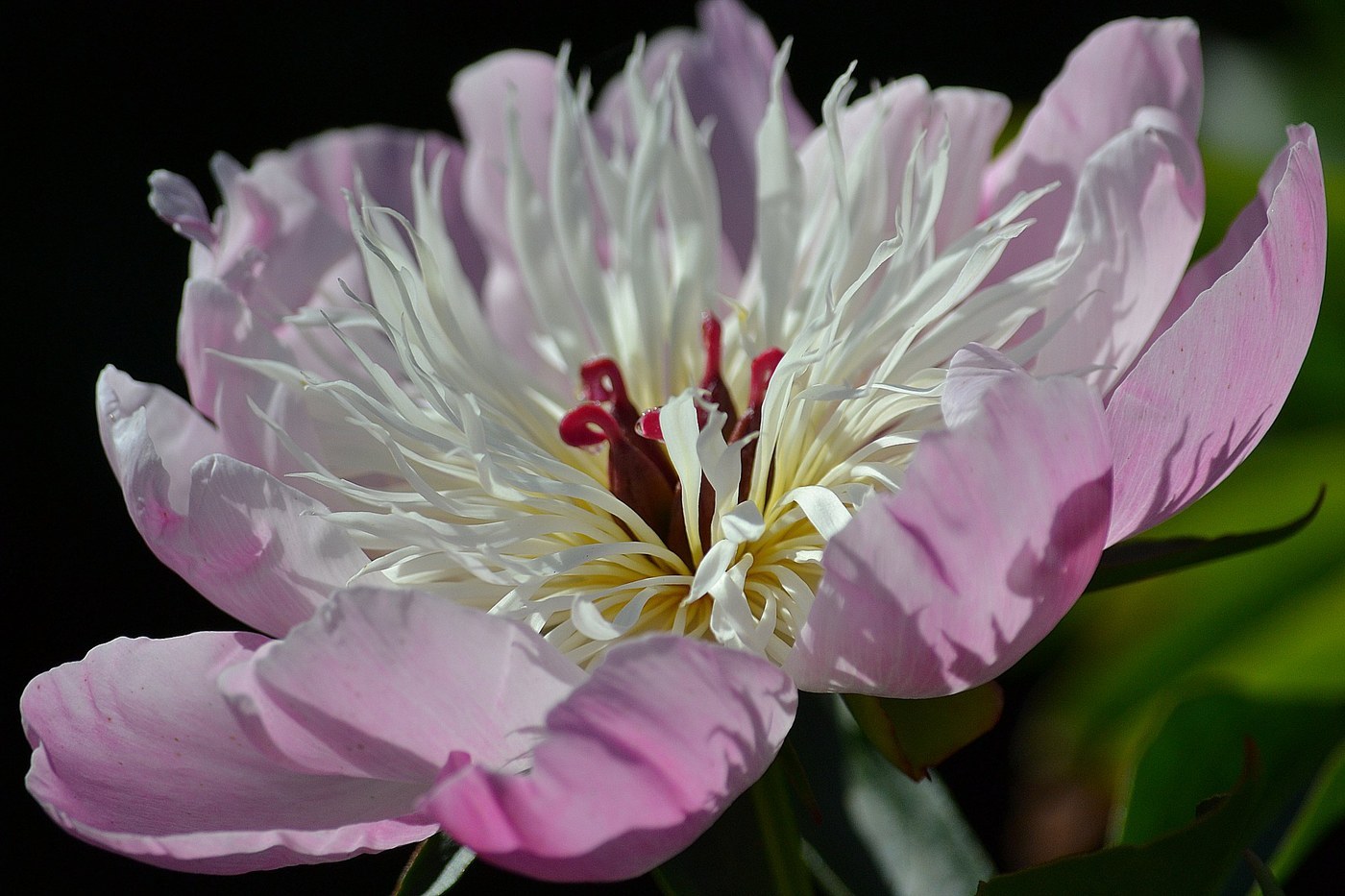
The Peony (Paeonia lactiflora) is a beloved, exceptionally long-lived herbaceous perennial grown for its large, fragrant, showy late-spring flowers. Once properly sited, a peony can thrive and bloom for decades with minimal fuss, making it one of the most rewarding garden flowers.
Light
Peonies need full sun, at least six hours of direct light daily, to bloom well. In hot-summer regions a little afternoon shade is acceptable, but too much shade greatly reduces flowering and produces weak, floppy stems. Choose an open, sunny bed with good air circulation.
Water
Provide regular, moderate moisture, keeping the soil evenly moist but never waterlogged. Water deeply during the growing and blooming season and during dry spells, especially for the first few years while plants establish. Established peonies are fairly drought tolerant but bloom best with consistent moisture. Avoid soggy soil, which invites root rot.
Soil & Potting
Peonies want rich, fertile, well-drained soil with plenty of organic matter and a near-neutral pH. Work compost into the bed before planting. Good drainage is essential. Planting depth is critical: set the eyes (buds) only about 1 to 2 inches below the soil surface. Planted too deep, peonies grow leaves but fail to bloom, a very common mistake.
Humidity & Temperature
Peonies are cold-hardy, roughly USDA zones 3 to 8, and actually require a period of winter cold (vernalization) to set flower buds. They perform poorly in hot, mild-winter climates. Average humidity is fine, though good air movement helps prevent fungal disease. They tolerate cold winters with no protection once established.
Feeding
Feed lightly. A ring of compost and a low-nitrogen or balanced fertilizer applied in early spring as growth emerges, and again lightly after flowering, is plenty. Avoid excess nitrogen, which promotes lush foliage at the expense of flowers and encourages weak stems. Keep fertilizer away from the crown.
Propagation
Divide peonies in early fall, the best time. Lift the clump, wash the soil off the fleshy roots, and cut into divisions each with at least three to five eyes. Replant with the eyes just 1 to 2 inches deep. Divisions may take a season or two to resume blooming. Peonies dislike disturbance, so divide only when necessary.
Repotting / Pruning
For herbaceous peonies, cut the foliage down to the ground in fall after it dies back and remove the debris to reduce disease carryover. Deadhead spent flowers to keep plants tidy. Tall double varieties often need staking or grow-through supports, since heavy blooms flop, especially after rain. Peonies resent being moved, so establish them where they can stay.
Common Problems & Pests
The most common disease is botrytis (gray mold), which blackens buds and stems in cool, damp weather; improve air flow, avoid overhead watering, and remove affected parts. Failure to bloom is usually caused by planting too deep, too much shade, or overly rich nitrogen. Ants on buds are harmless and simply feed on the sweet secretions, requiring no control.
Seasonal Care Tips
In early spring, remove winter mulch promptly, feed lightly, and set up supports before stems grow tall. Enjoy blooms in late spring and deadhead as they fade. Through summer, keep soil evenly moist and watch for foliage disease. In fall, divide if needed, cut back dead foliage, and clean up debris. Leave established plants in cold ground undisturbed for winter chilling.
Frequently asked questions
Why won't my Peony bloom?
The most common causes are planting too deep, too much shade, or excess nitrogen. Set the eyes only 1 to 2 inches deep, give full sun, and use low-nitrogen feeding.
When and how should I divide Peonies?
Divide in early fall. Lift the clump, cut the roots into pieces with three to five eyes each, and replant with the eyes just 1 to 2 inches below the surface.
Are the ants on my Peony buds a problem?
No. Ants simply feed on the sweet secretions on developing buds and cause no harm. There is no need to control them.
Why are my Peony buds turning black and mushy?
That is usually botrytis (gray mold), favored by cool damp conditions. Improve air circulation, avoid overhead watering, and remove affected buds and stems.
Peony identified by the community
Recent Peony specimens identified with Plant Identifier.