Peony
Paeonia lactiflora
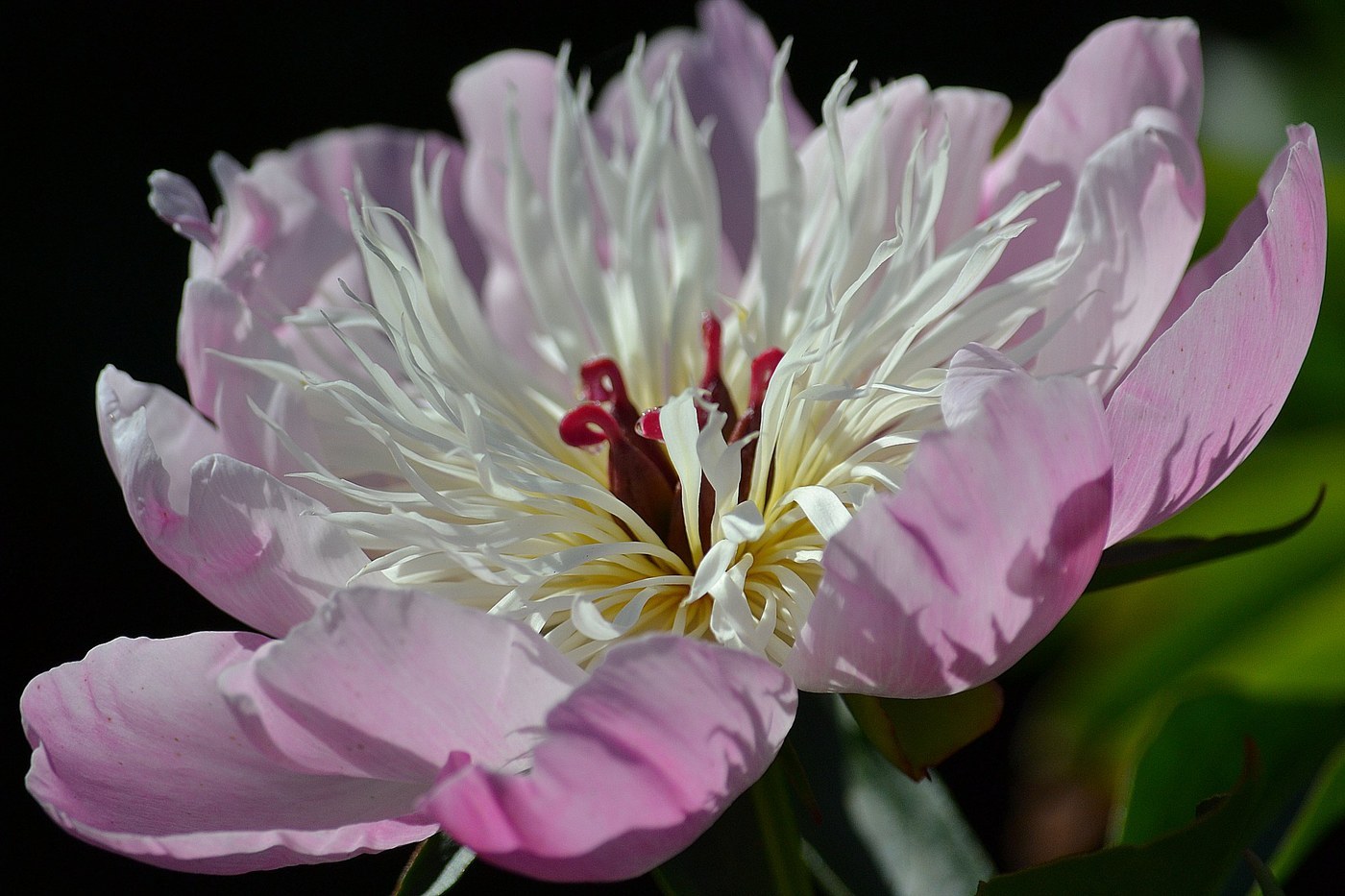
A long-lived perennial famous for huge, often fragrant late-spring blooms in shades of pink, white, and red. Peonies are tough, cold-loving, and can thrive for decades.
- Light
- Full sun
- Water
- Regular; moderate moisture
- Difficulty
- Easy
Got a plant like this?
Identify any plant from a photo, free.
Overview
Peonies are herbaceous (and sometimes woody "tree") perennials beloved for their lush, full flowers that appear in late spring to early summer. The Chinese peony is the most widely grown garden type.
Known for extraordinary longevity, an established peony can bloom for generations with little care, often outliving the gardener who planted it.
Their large, layered blooms range from single to fully double forms and are a perennial-border classic and a favorite wedding flower.
How to identify it
Identify a peony by:
- Flowers: Large, showy blooms (often 4-8 inches) in single to dense double forms, frequently fragrant.
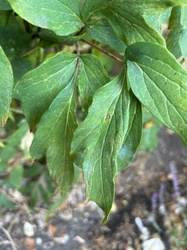
- Foliage: Glossy, deeply divided dark-green leaves that emerge reddish in spring.
- Habit: A bushy clump 2-4 feet tall for herbaceous types; tree peonies form a woody shrub.
- Buds: Round, ball-like buds, often visited by ants drawn to their sweet coating.
- Bloom time: A spectacular but brief late-spring to early-summer flush.
Care & growing
Peonies need patience at planting but almost none afterward.
- Light: Full sun (at least 6 hours) for best flowering.
- Water: Regular moderate watering, especially while establishing; avoid soggy soil.
- Soil: Fertile, well-drained soil; plant the crown only 1-2 inches deep, as planting too deep prevents blooming.
- Temperature: Require a cold winter dormancy to set buds, so they suit temperate climates.
- Feeding: Light feeding in spring; avoid excess nitrogen.
- Propagation: Divide established clumps in autumn, ensuring each division has 3-5 eyes (buds).
Habitat & origin
Paeonia lactiflora is native to central and eastern Asia, including China, Mongolia, and Siberia, where it grows in meadows and on grassy slopes. Peonies have been cultivated in China for over a thousand years.
Today they are grown throughout the world's temperate zones as garden perennials and as commercial cut flowers, with the cold winters of northern climates suiting them especially well.
Frequently asked questions
Why won't my peony bloom?
The most common cause is planting the crown too deep; the buds (eyes) should sit only about an inch or two below the soil surface. Too much shade can also prevent flowering.
Why are there ants on my peony buds?
Ants are simply feeding on the sweet nectar that coats developing buds; they do no harm and are not needed for the flowers to open.
Do peonies need support?
Large double-flowered types often flop, especially after rain, so grow-through grids or hoop supports help keep heavy blooms upright.
How long do peonies live?
Peonies are exceptionally long-lived and can thrive and bloom in the same spot for 50 years or more, so they dislike being moved.
Peony guides
In-depth guides for identifying, growing, and caring for Peony.
How to Care for Peony
Grow lush, long-lived Peonies in full sun and rich, well-drained soil, with shallow planting and cold winters for spectacular spring blooms.
Peony Identification Guide
Identify peonies by their large, lush multi-petaled flowers, deeply divided glossy leaves, and reddish spring shoots emerging from a clump.
Peony identified by the community
Real specimens identified with Plant Identifier.