Peony Identification Guide
Identify peonies by their large, lush multi-petaled flowers, deeply divided glossy leaves, and reddish spring shoots emerging from a clump.
Read the full Peony encyclopedia entry →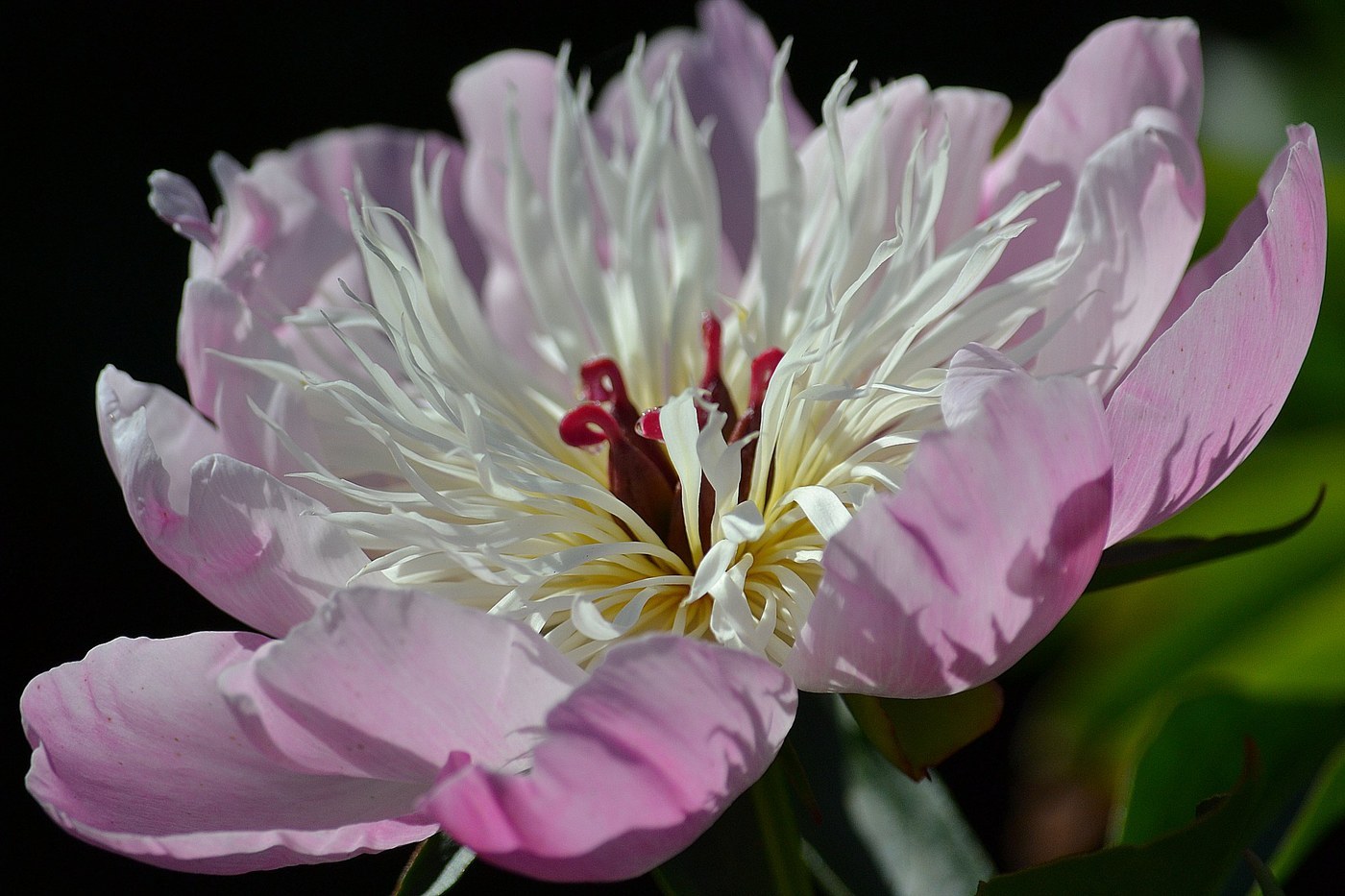
Key Identifying Features
Peonies (Paeonia species) are long-lived perennials and shrubs prized for their huge blooms. Identify them by:
- Large, full flowers 8-20 cm across, often densely packed with petals, in white, pink, red, or coral
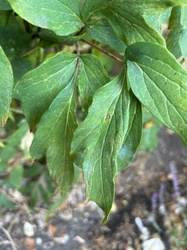
- Glossy, deeply divided (compound) leaves with several lance-shaped leaflets or lobes
- Numerous golden stamens surrounding distinctive fleshy carpels in the flower center
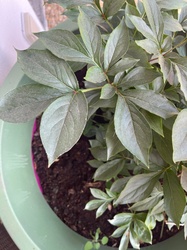
- Red-tinged new shoots emerging in early spring from a clump or woody base
- A faint sweet fragrance and frequent visits from ants on the buds
Leaves & Stems
Peony leaves are alternate and compound, divided into multiple lance-shaped to oval leaflets or deep lobes, usually glossy dark green and sometimes blue-green beneath. Herbaceous peonies die back to the ground each winter and send up reddish-pink shoots in spring that unfurl into the leafy clump, typically 60-90 cm tall. Tree peonies (P. suffruticosa group) keep a permanent woody stem framework and do not die back. Itoh (intersectional) hybrids combine both traits.
Flowers & Fruit
The flower is the standout feature. Forms range from single (one ring of broad petals around a boss of stamens) to semi-double, double, and bomb types crammed with petals. The center holds a cluster of prominent yellow stamens and several fleshy, often hairy carpels (pistils). Bloom time is late spring to early summer, lasting only a week or two per plant. After flowering, the carpels swell into leathery follicles that split open to reveal large, shiny black (sometimes red) seeds. Ants are commonly seen on the sticky, nectar-coated buds and are harmless to the plant.
How to Tell It Apart from Look-Alikes
- Roses have thorny/prickled stems and toothed leaflets with stipules at the leaf base, unlike the smooth-stemmed peony.
- Camellias are evergreen shrubs with simple, leathery glossy leaves, not divided peony foliage.
- Ranunculus and double poppies resemble peony flowers but grow from very different, finer foliage and lack the fleshy carpel cluster.
- The reliable peony signs are deeply divided glossy leaves, big multi-petaled flowers with a fleshy carpel center, and red spring shoots.
Where You'll Find It
Peonies are grown in temperate gardens, borders, and as cut flowers worldwide, and wild species occur in Europe, Asia, and western North America. They need full sun, rich well-drained soil, and a cold winter to bloom, and can live for decades in one spot.
Quick ID Checklist
- Large, full flowers often packed with petals
- Glossy, deeply divided compound leaves
- Center of yellow stamens around fleshy carpels
- Reddish new shoots in early spring
- Smooth (thornless) stems
- Ants frequently on the buds
A clump of glossy divided leaves topped by enormous petal-packed flowers with a fleshy center is the signature of a peony.
Frequently asked questions
Why are there ants on my peony buds?
Peony buds secrete a sugary nectar that attracts ants. The ants feed on it but do not harm the plant or the flowers, so no treatment is needed.
What is the difference between a tree peony and a regular peony?
Tree peonies keep a permanent woody stem structure year-round, while herbaceous peonies die back to the ground each winter and resprout from red shoots in spring.
How do I tell a peony from a rose?
Peony stems are smooth and thornless with deeply divided leaves, while roses have prickly stems, toothed leaflets, and small leaf-like stipules at the base of each leaf.
How long do peony flowers last?
Each peony plant blooms for only about one to two weeks in late spring to early summer, though planting early, mid, and late varieties extends the overall season.
Peony identified by the community
Recent Peony specimens identified with Plant Identifier.