
How to Care for Peppermint
A vigorous, fragrant spreading perennial: keep it moist, give it sun to part shade, and contain its wandering runners.
Read the full Peppermint encyclopedia entry →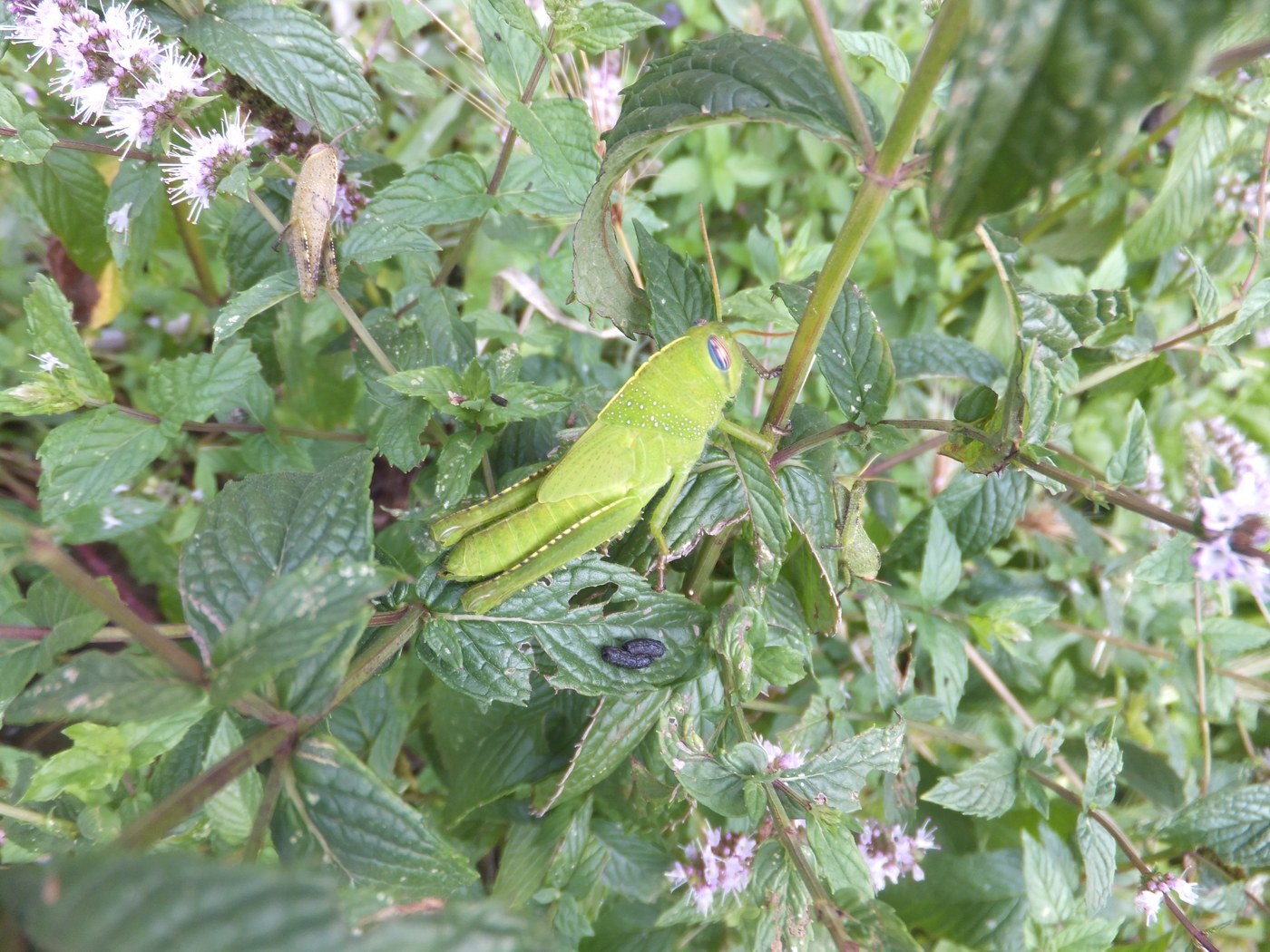
Peppermint (Mentha x piperita) is a vigorous, aromatic perennial with dark green leaves and a rambling, spreading habit. It is one of the easiest plants to grow, so easy that its main challenge is keeping its runners in bounds.
Light
Peppermint grows in full sun to partial shade. It performs beautifully with a few hours of direct sun but appreciates some afternoon shade in hot climates, which keeps the foliage lush and prevents scorching. In deep shade it grows thin and leggy, so aim for at least dappled or morning light.
Water
Keep the soil consistently moist. Peppermint is a moisture lover that thrives near the wet end of the spectrum and wilts quickly if it dries out. Water regularly so the root zone never fully dries, and more often for container plants, which dry rapidly. It dislikes drought but also resents standing water, so aim for reliably damp, not soggy, soil.
Soil & Potting
Use a moisture-retentive but reasonably well-drained soil rich in organic matter, with a slightly acidic to neutral pH. Peppermint is adaptable and undemanding about soil fertility. Because it spreads aggressively by underground runners, many growers confine it to a pot or a sunken, bottomless container in the garden to stop it colonizing beds.
Humidity & Temperature
A hardy perennial, peppermint tolerates a wide range of temperatures and dies back to the roots in cold winters before regrowing in spring. It enjoys average to high humidity and cool, moist conditions. In very hot, dry air the leaf edges may brown, so provide shade and steady moisture in such climates.
Feeding
Peppermint needs little feeding. A spring topdressing of compost or a light application of balanced fertilizer is plenty for garden plants. Container specimens benefit from an occasional diluted liquid feed through the growing season. Avoid overfeeding, which can produce lush but weakly flavored, floppy growth.
Propagation
Peppermint is a sterile hybrid, so it is propagated vegetatively rather than from seed. It roots with almost absurd ease: take stem cuttings and root them in water or moist soil, divide established clumps in spring or autumn, or lift and replant rooted runners. Any of these methods gives fast, reliable new plants.
Repotting / Pruning
Repot or divide container plants every year or two, as peppermint quickly fills its pot with roots and runners and can exhaust the soil. Pruning is beneficial: regular trimming and pinching keeps plants bushy, tender, and productive, and shearing back leggy growth encourages a fresh flush. Cut back hard after flowering, and remove flower spikes to keep growth leafy.
Common Problems & Pests
The classic problem is mint rust, an orange fungal disease on leaf undersides; remove affected foliage, improve airflow, and avoid wetting the leaves. Powdery mildew appears in crowded, dry conditions. Aphids, spider mites, and occasionally caterpillars may feed on the foliage; a strong water spray or insecticidal treatment usually manages them. The biggest management issue, though, is the plant's invasive spread by runners, best controlled with barriers or container growing.
Seasonal Care Tips
In spring, divide crowded clumps and refresh container soil as new growth emerges. Through summer, keep the soil moist, trim regularly, and remove flower spikes to maintain tender foliage. In autumn, cut back the top growth as it fades. In cold-winter climates the plant dies back and reliably returns from the roots in spring; protect container roots from hard freezes.
Frequently asked questions
Why does peppermint spread so aggressively?
It grows by underground runners (rhizomes) that quickly colonize surrounding soil. To keep it in check, grow it in a pot or a sunken, bottomless container, or install a root barrier around it in the bed.
Can I grow peppermint from seed?
Not reliably. Peppermint is a sterile hybrid, so it is propagated vegetatively. Take stem cuttings, divide clumps, or replant rooted runners; all root very easily in water or moist soil.
The undersides of my mint leaves have orange spots. What is it?
That is mint rust, a fungal disease. Remove and dispose of affected leaves, improve air circulation, avoid overhead watering, and thin crowded growth. Badly infected plants are best cut back hard to encourage clean new growth.
How do I keep peppermint bushy instead of leggy?
Pinch and trim it regularly, give it enough light (full sun to partial shade), and shear back straggly stems to force fresh growth. Removing flower spikes also keeps the plant focused on leafy growth.