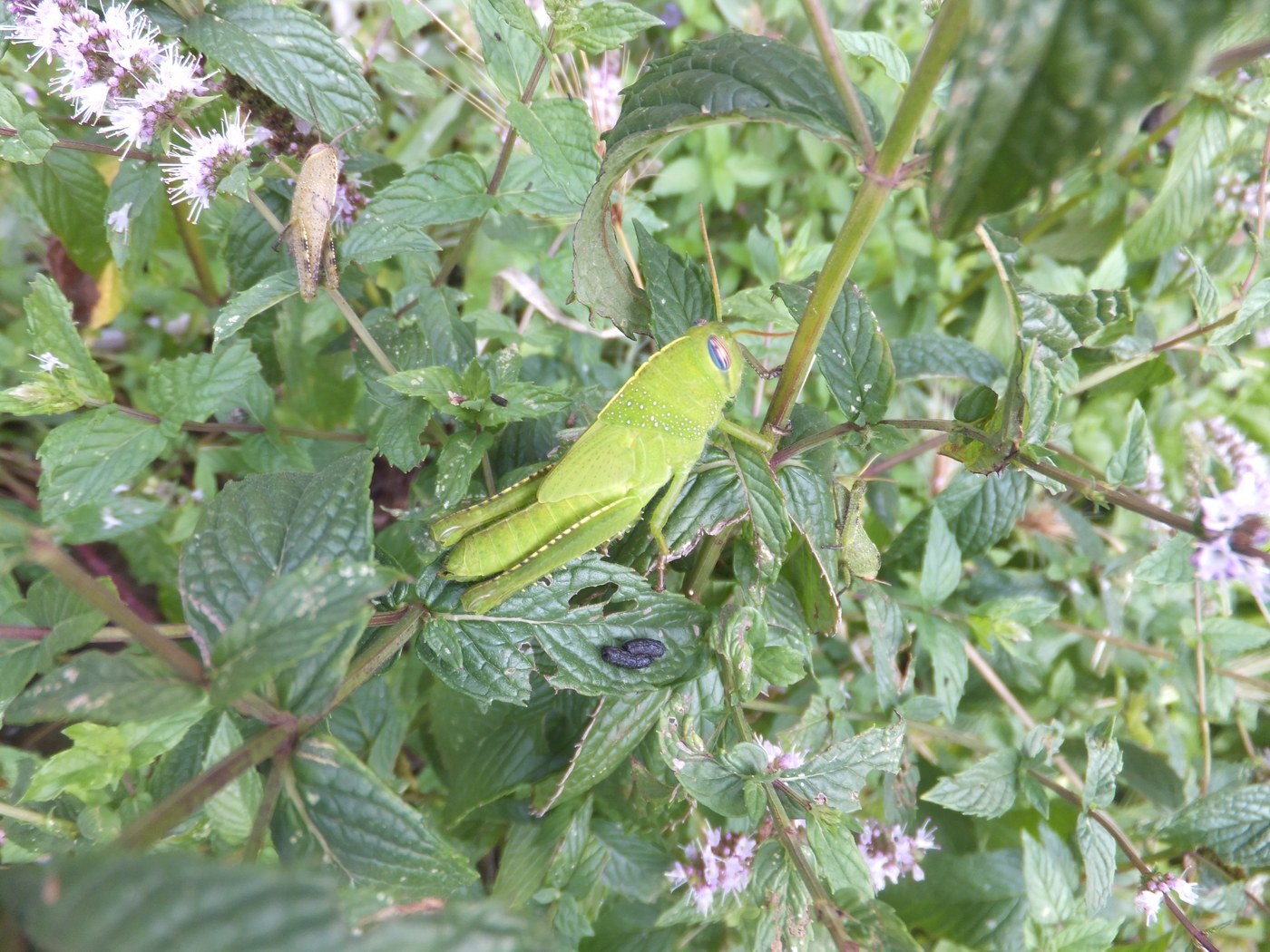
Peppermint
Mentha x piperita
Peppermint is a vigorous aromatic perennial herb grown in gardens, a natural hybrid of water mint and spearmint with a strong menthol scent.
- Light
- Full sun to partial shade
- Water
- Keep soil consistently moist
- Difficulty
- Easy
Got a plant like this?
Identify any plant from a photo, free.
Overview
Peppermint is a fast-spreading perennial herb in the mint family, a naturally occurring hybrid between water mint (Mentha aquatica) and spearmint (Mentha spicata). It is an aromatic culinary herb grown in gardens, recognized for its strong, cooling menthol fragrance.
Like other mints, peppermint spreads aggressively by underground runners, quickly forming dense colonies. For this reason it is often grown in containers to keep it in check.
How to identify it
Peppermint is identified by its dark, toothed leaves and strong menthol scent.
- Leaves: Oval to lance-shaped, dark green (often purple-tinged), toothed, and smooth, with a sharp peppermint aroma when crushed
- Stems: Square, often reddish-purple, typical of the mint family
- Flowers: Small purple flowers in terminal spikes in summer
- Height: Reaches 30-90 cm (1-3 ft) tall
- Spread: Spreads vigorously by runners (stolons and rhizomes)
Care & growing
Peppermint is extremely easy, even invasive, given moisture.
- Light: Full sun to partial shade
- Water: Keep soil consistently moist; mint dislikes drying out
- Soil: Rich, moisture-retentive soil
- Temperature: Hardy perennial; dies back in winter and returns in spring
- Feeding: Light feeding keeps foliage lush
- Propagation: Very easy from runners, cuttings or division; even a stem in water will root. Containing it is the main task plant in pots or sunken barriers to stop it overrunning the garden. Note that peppermint is sterile and is not grown from seed.
Habitat & origin
Peppermint originated as a hybrid in Europe and is now naturalized across temperate regions of the Northern Hemisphere, typically along streams, ditches and other damp, disturbed ground.
It is cultivated worldwide in herb gardens and containers, and on a large commercial scale, especially in the United States.
Frequently asked questions
Why should I grow peppermint in a pot?
Peppermint spreads aggressively by underground runners and can quickly take over a garden bed. Growing it in a container or sunken barrier keeps it contained.
Can I grow peppermint from seed?
No. True peppermint is a sterile hybrid and does not come true from seed. It is propagated from cuttings, runners or division.
What is the difference between peppermint and spearmint?
Peppermint has darker, often purple-tinged foliage and a stronger menthol scent, while spearmint is milder. Peppermint is a hybrid that includes spearmint in its parentage.
How do I keep my peppermint bushy?
Pinch back the growing tips regularly. Cutting it back hard also encourages fresh, tender foliage and prevents it from getting leggy.
Peppermint guides
In-depth guides for identifying, growing, and caring for Peppermint.
How to Care for Peppermint
A vigorous, fragrant spreading perennial: keep it moist, give it sun to part shade, and contain its wandering runners.
Peppermint Identification Guide
Identify peppermint by its square reddish-purple stems, toothed lance-shaped leaves, sharp cooling menthol smell, and purple-tinged flower spikes. Covers how to separate it from spearmint and other mints.