
How to Care for Persian Ironwood
Care guide for Persian ironwood (Parrotia persica): an easy, adaptable tree with spectacular fall color, flaking bark, and low maintenance.
Read the full Persian Ironwood encyclopedia entry →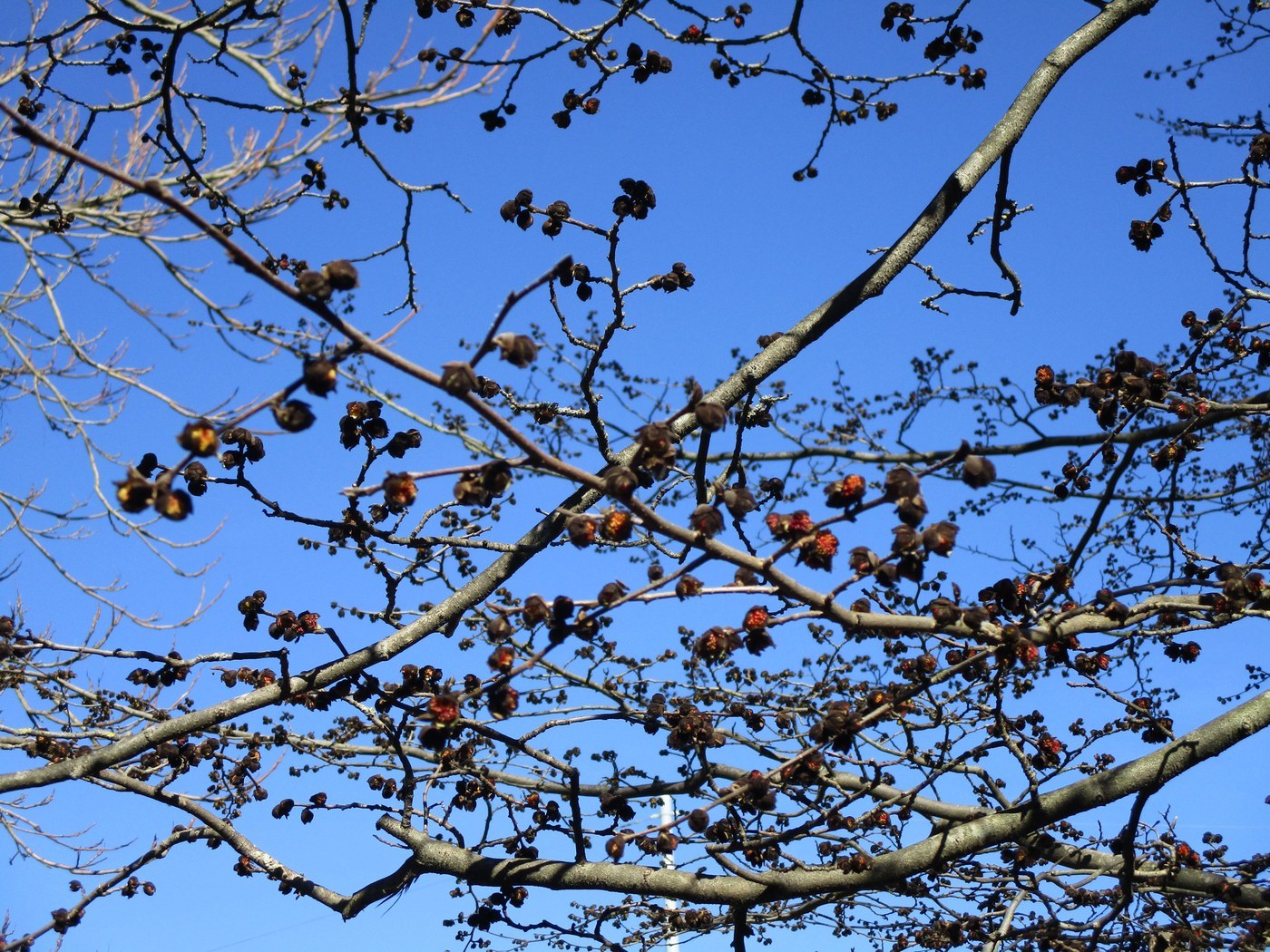
Persian ironwood (Parrotia persica) is a tough, elegant small-to-medium tree celebrated for brilliant multicolored fall foliage, mottled exfoliating bark, and tiny red late-winter flowers. It is an easy, adaptable specimen that asks little once established.
Light
Grow Persian ironwood in full sun to part shade. Full sun brings out the most intense red, orange, and gold autumn display and encourages dense branching. It tolerates light shade well but colors up less vividly there. A minimum of about 4-6 hours of direct sun gives the best show.
Water
Water weekly while the tree is young and during dry spells to establish a deep root system. Once established it is notably drought-tolerant, needing only occasional deep soakings in extended dry weather. Aim for moderate, even moisture without waterlogging; the tree dislikes constantly saturated ground.
Soil & Potting
Parrotia is adaptable to a wide range of soils, thriving in fertile, well-drained, slightly acidic loam but tolerating clay and mild alkalinity. Good drainage is the main requirement. Enrich poor soil with compost at planting, and apply mulch over the root zone to conserve moisture and suppress competition.
Humidity & Temperature
This is a hardy, temperate tree that handles cold winters, summer heat, and urban conditions with ease. It is untroubled by ordinary humidity swings. Its resilience to heat, drought, wind, and pollution makes it a dependable choice for challenging sites.
Feeding
Persian ironwood needs little fertilizer. An annual spring mulch of compost usually supplies enough nutrients. If growth is weak, apply a balanced slow-release fertilizer in early spring. Avoid overfeeding, which produces soft growth and can mute the prized fall coloration.
Propagation
Propagate from seed, which requires a lengthy warm-then-cold stratification and germinates slowly and erratically. Semi-hardwood cuttings taken in summer can be rooted under mist with hormone treatment, though success varies. Named cultivars are often grafted or layered to preserve their form.
Repotting / Pruning
Minimal pruning is needed. Train young trees to your preferred single-trunk or multi-stem form, then simply remove dead, crossing, or crowded branches in late winter while dormant. Thinning some interior growth showcases the beautiful flaking bark. It responds well to light shaping and can even be used for hedging or espalier.
Common Problems & Pests
Persian ironwood is remarkably trouble-free, with few serious pests or diseases. Occasional issues include Japanese beetles chewing foliage or leaf scorch in prolonged drought. Root rot can occur only in poorly drained, waterlogged soil. Overall it is one of the lowest-maintenance ornamental trees available.
Seasonal Care Tips
Late winter: enjoy the small red flowers, prune for structure, and topdress with compost. Spring: fresh reddish-purple new leaves emerge; water new plantings regularly. Summer: little care beyond occasional deep watering in drought. Fall: the tree's spectacular finale of red, orange, and yellow foliage; no work needed but to admire it.
Frequently asked questions
When does Persian ironwood show its best color?
In autumn, when foliage turns vivid shades of red, orange, and gold. Full sun produces the most intense display; the winter bark and late-winter red flowers add year-round interest.
Is Persian ironwood drought-tolerant?
Yes, once established. Water weekly for the first few years to build deep roots, after which it needs only occasional deep watering during extended dry spells.
How big does Persian ironwood get and does it need much pruning?
It is a small-to-medium tree that needs little pruning. Shape young trees to a single or multi-stem form, then just remove dead or crossing branches in late winter and thin the interior to reveal the mottled bark.
What soil does Persian ironwood prefer?
Fertile, well-drained, slightly acidic loam is ideal, but it adapts to clay and mildly alkaline soils. The key requirement is good drainage rather than a specific soil type.