Persian Ironwood
Parrotia persica
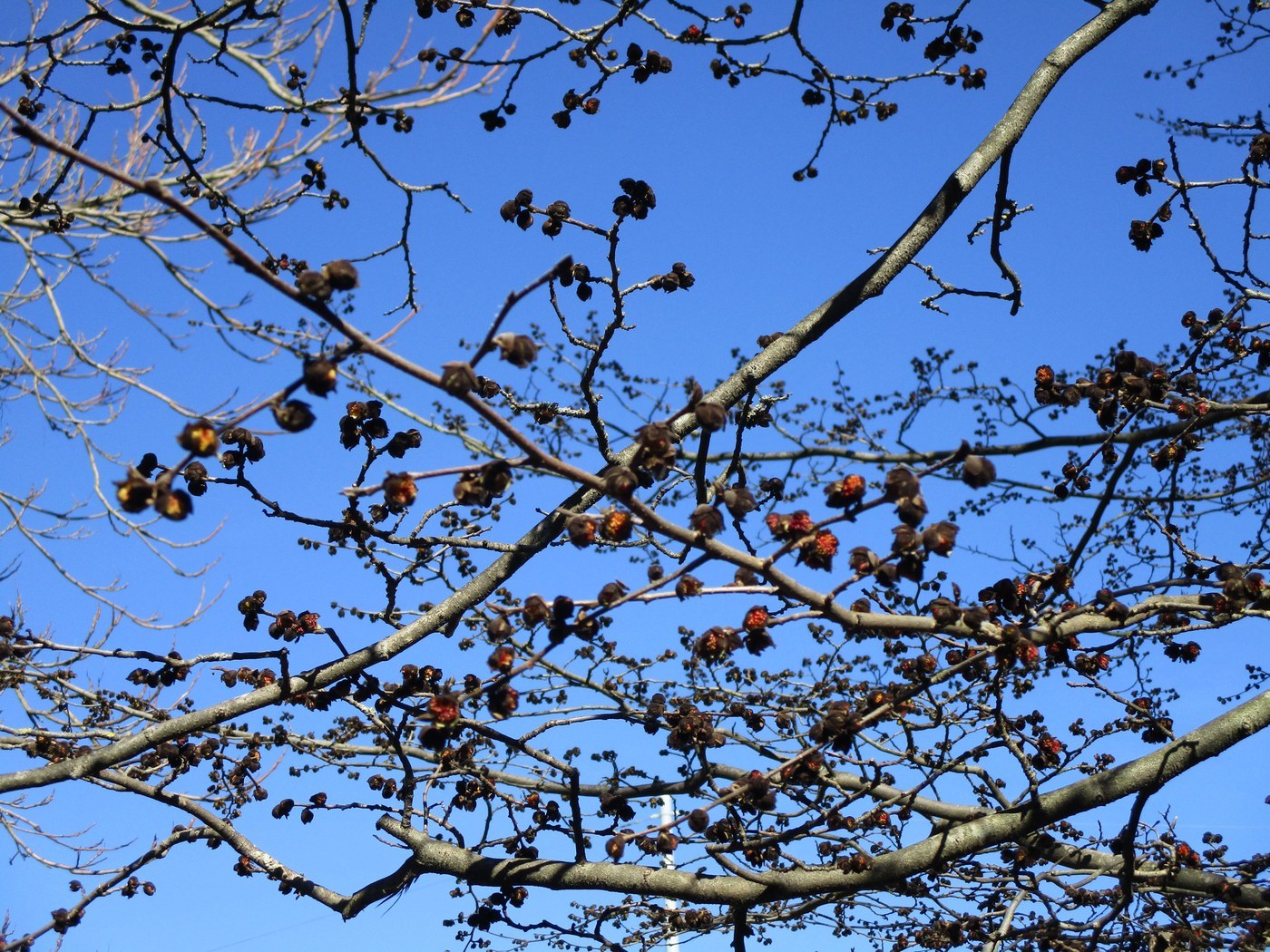
Persian ironwood is a tough, slow-growing tree celebrated for spectacular multicolored fall foliage and beautiful flaking bark. Its tiny red flowers appear on bare branches in late winter.
- Light
- Full sun to part shade
- Water
- Weekly; moderate, drought-tolerant once established
- Difficulty
- Easy
Got a plant like this?
Identify any plant from a photo, free.
Overview
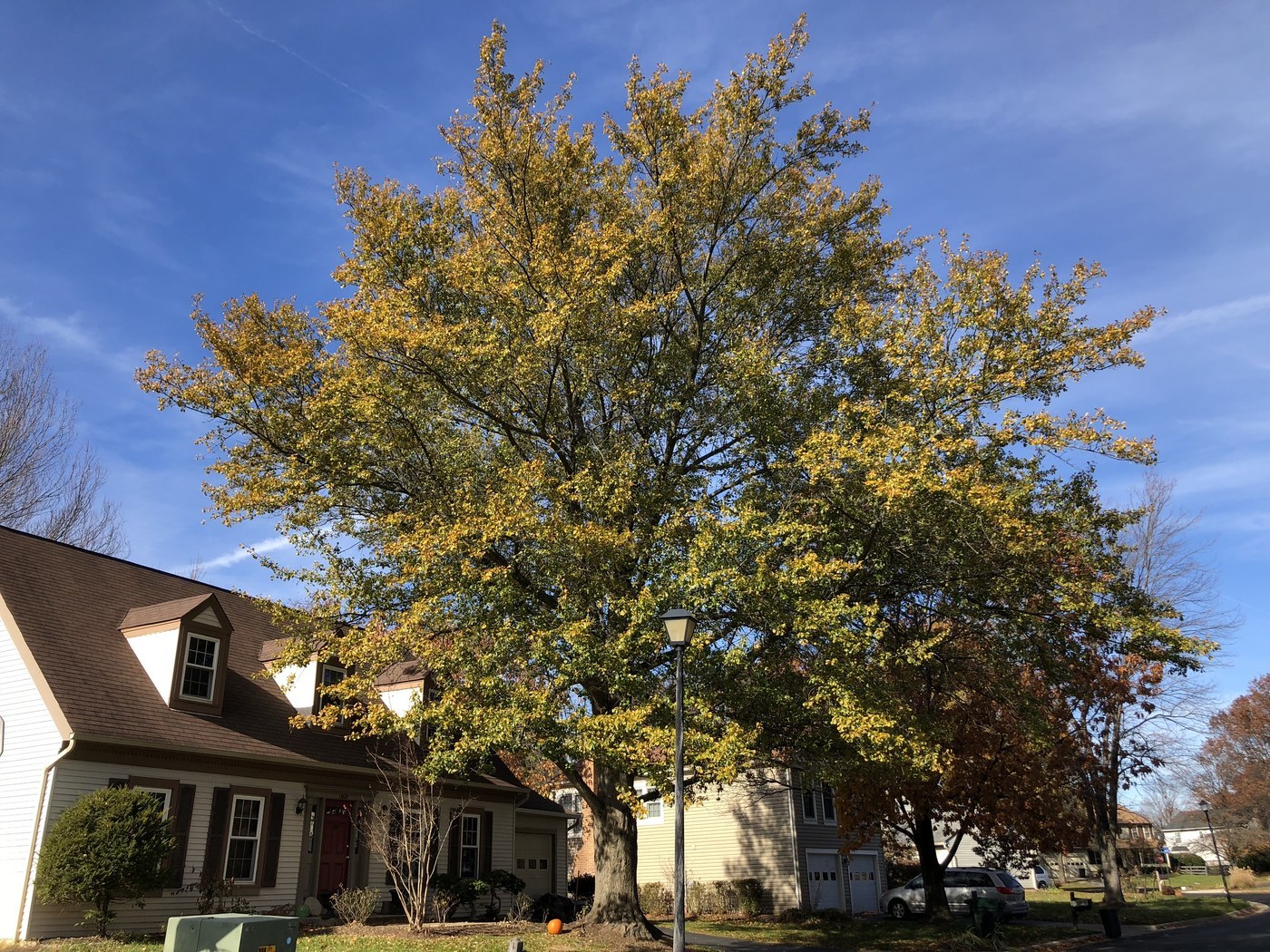
Persian ironwood (Parrotia persica) is a deciduous tree in the witch hazel family, native to northern Iran and the Caucasus, grown chiefly for its outstanding autumn display in shades of yellow, orange, red and purple. It is exceptionally hardy and adaptable, with few pest or disease problems.
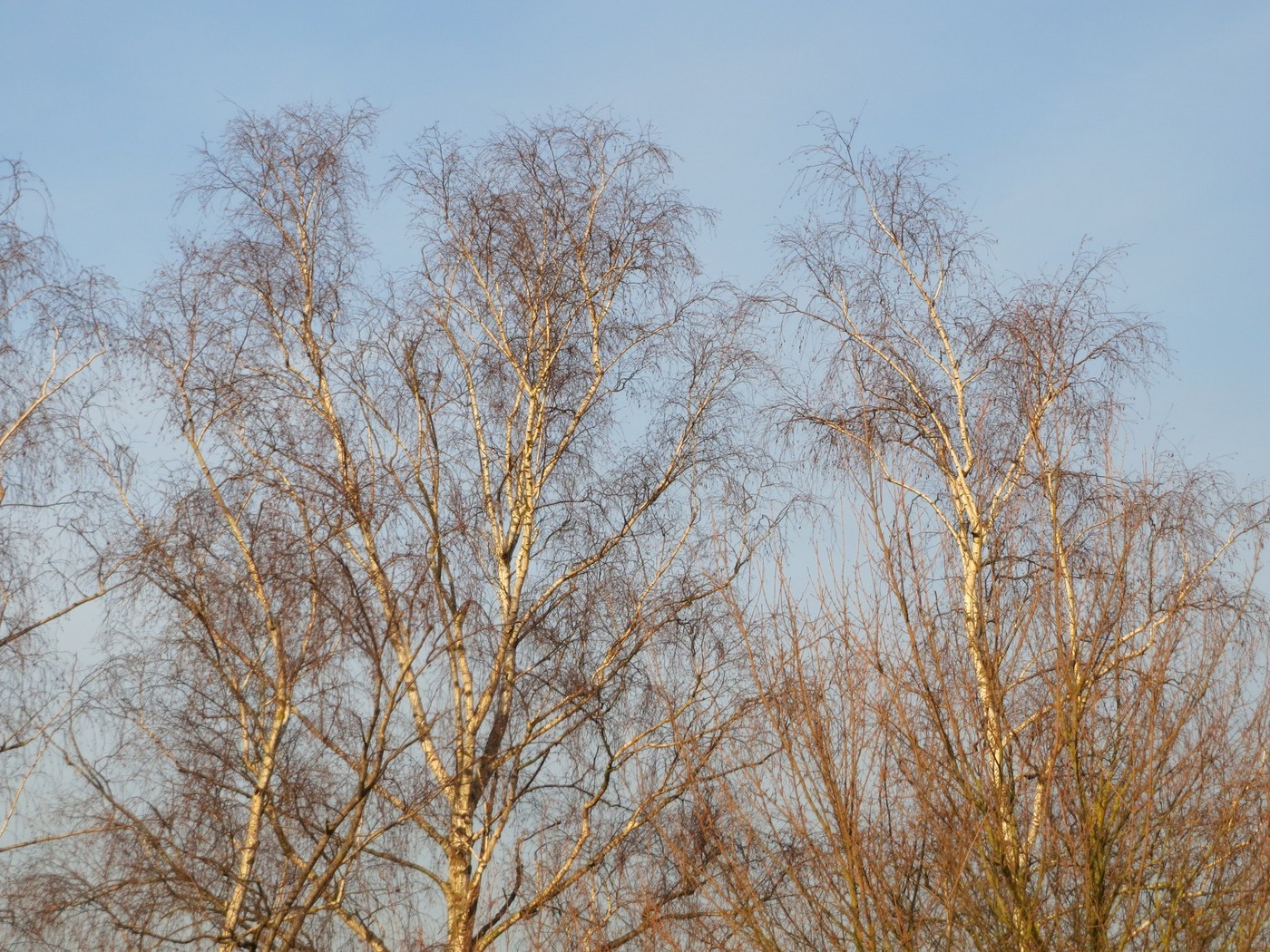
In late winter, before the leaves, it produces small spidery clusters of crimson-stamened flowers. With age its smooth gray bark exfoliates into a striking patchwork of green, tan and cream, adding strong winter interest. It is slow-growing, often reaching 20-40 ft.
How to identify it
- Habit: Slow-growing, often multi-stemmed tree 20-40 ft, with a rounded to wide-spreading crown.
- Flowers: Petal-less clusters of red stamens on bare twigs in late winter to early spring.
- Leaves: Oval, wavy-margined, witch-hazel-like, glossy green turning brilliant yellow-orange-red-purple in fall.
- Bark: Smooth gray that exfoliates with age into a mottled green, white and tan jigsaw pattern.
- Form: Some cultivars upright ('Vanessa'), others wide and low.
Care & growing
Light: Full sun gives the best fall color; tolerates partial shade.
Water: Moderate; water weekly when young, drought-tolerant once established.
Soil: Adaptable, well-drained loam; prefers slightly acidic but tolerates clay and alkaline soils.
Temperature: Hardy USDA zones 4-8.
Feeding: Rarely necessary; mulch and occasional spring feeding suffice.
Pruning/Propagation: Minimal pruning; can be limbed up to show bark. Propagate by cuttings or seed (slow to germinate).
Habitat & origin
Native to the Alborz Mountains and Caspian forests of northern Iran (Persia) and the Caucasus, where it grows in humid temperate broadleaf woodland, sometimes forming dense thickets.
It is a relict of an ancient forest flora. In cultivation it is grown as an ornamental across temperate North America, Europe and Asia in zones 4-8.
Frequently asked questions
Why is it called ironwood?
Its wood is exceptionally hard, dense and heavy, a trait shared by several unrelated 'ironwood' trees.
When does it bloom?
Small red-stamened flowers appear on bare branches in late winter to very early spring, before the leaves.
Is it a good urban tree?
Yes. It tolerates clay, drought, heat and pollution, and is largely free of pests and disease.
What makes the bark special?
With age the gray bark peels to reveal a mottled patchwork of green, cream and tan, giving strong winter interest.
Persian Ironwood guides
In-depth guides for identifying, growing, and caring for Persian Ironwood.
How to Care for Persian Ironwood
Care guide for Persian ironwood (Parrotia persica): an easy, adaptable tree with spectacular fall color, flaking bark, and low maintenance.
Persian Ironwood Identification Guide
Recognize Parrotia persica by its spectacular flaking camouflage bark, tiny red spider-like late-winter flowers, witch-hazel-like leaves, and brilliant multicolored fall foliage.