How to Care for Philodendron
Grow heartleaf philodendron (Philodendron hederaceum), a forgiving trailing vine with glossy heart-shaped leaves that thrives in indirect light.
Read the full Philodendron encyclopedia entry →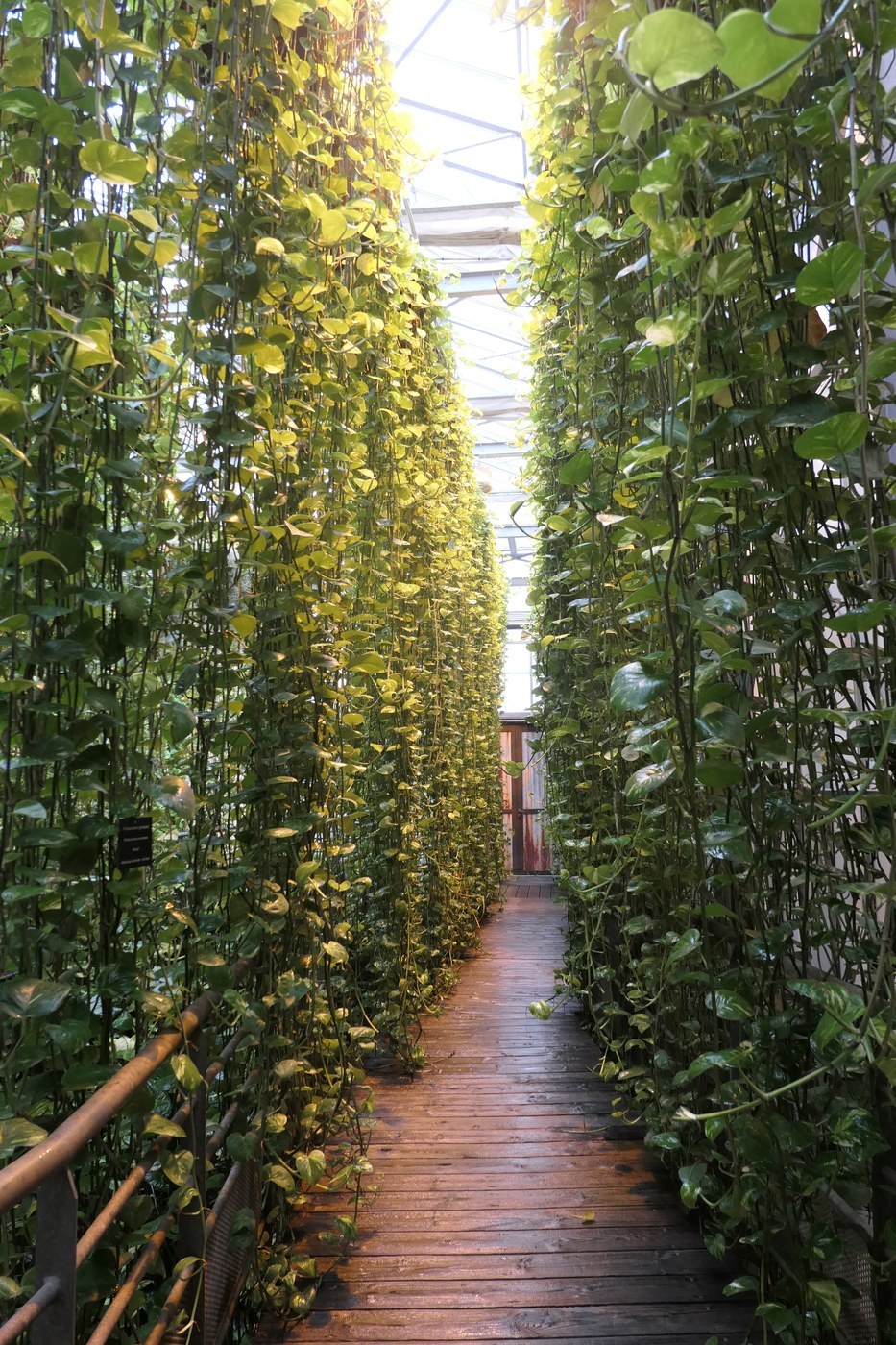
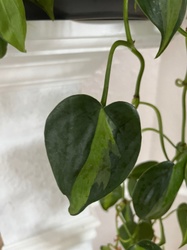
The heartleaf philodendron (Philodendron hederaceum) is one of the most forgiving houseplants, a fast-growing trailing vine with glossy, heart-shaped leaves that adapts to a wide range of indoor conditions. It is an ideal choice for beginners and looks equally good trailing from a shelf or climbing a support.
Light
Bright, indirect light produces the fullest growth and largest leaves, but this plant also tolerates medium and lower light better than most, making it versatile for interior spots. Avoid harsh direct sun, which can scorch the foliage. In too little light, stems grow leggy with wide gaps between small leaves.
Water
Water when the top inch of soil dries out, then water thoroughly until it drains from the bottom. Allow the surface to dry again before the next watering. This plant is quite forgiving of occasional lapses but dislikes constantly soggy soil, which leads to root rot. Drooping leaves often signal it is thirsty and perk up quickly after watering.
Soil & Potting
Use a light, well-draining, peat- or coir-based potting mix enriched with perlite or orchid bark for aeration. Aroid-style mixes work beautifully. Always plant in a container with drainage holes so excess water can escape.
Humidity & Temperature
Average household humidity is fine, though the plant grows lusher with moderate to high humidity. Keep it in warm room temperatures, ideally between 18 and 27 C, and away from cold drafts, heating vents and windows that dip below about 12 C. It does not tolerate frost.
Feeding
Feed monthly during spring and summer with a balanced, diluted houseplant fertilizer to support its vigorous growth. Reduce or stop feeding in autumn and winter when growth naturally slows. Overfeeding can cause salt buildup, so flush the soil occasionally.
Propagation
Propagation is extremely easy from stem cuttings. Snip a section with a few nodes, remove the lowest leaf, and root it in water or directly in moist potting mix. Roots typically appear within a couple of weeks. Pot up rooted cuttings, or add them back to the mother pot to make it bushier.
Repotting / Pruning
Repot every year or two, or when roots circle the pot or emerge from drainage holes, moving up one pot size in spring. Prune anytime to control length and encourage bushiness; cutting just above a node prompts branching. Pinching back leggy stems keeps the plant full.
Common Problems & Pests
Yellowing leaves usually indicate overwatering, while brown crispy tips point to dry air or inconsistent watering. Leggy growth means more light is needed. Watch for aphids, mealybugs, spider mites and scale, especially in dry indoor air; wipe leaves and treat infestations early. Ensure good drainage to avoid root rot.
Seasonal Care Tips
In spring and summer, this is an active grower: water regularly, feed monthly, and prune to shape. In autumn and winter, ease back on watering and pause feeding as growth slows. Keep it away from cold drafts and dry heat sources during the colder months, and dust the leaves periodically so they can photosynthesize efficiently.
Frequently asked questions
Why are my philodendron's leaves turning yellow?
Yellowing leaves most often mean overwatering. Let the top inch of soil dry before watering, make sure the pot drains freely, and check that roots are not sitting in waterlogged mix.
How do I make my philodendron bushier instead of leggy?
Leggy growth usually means too little light, so move it somewhere brighter with indirect light. Prune stems just above a node to encourage branching, and tuck rooted cuttings back into the pot to fill it out.
Can I grow philodendron in water?
Yes, cuttings root readily in water and can be kept growing there for a long time. For the strongest long-term growth, though, pot rooted cuttings into a well-draining mix.
Should I let it trail or climb?
Either works. It trails gracefully from shelves and hanging pots, or it will climb a moss pole or support, often producing larger leaves when given something to climb.
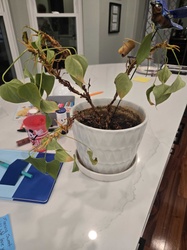
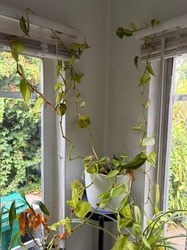
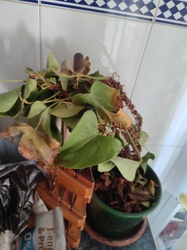
Philodendron identified by the community
Recent Philodendron specimens identified with Plant Identifier.