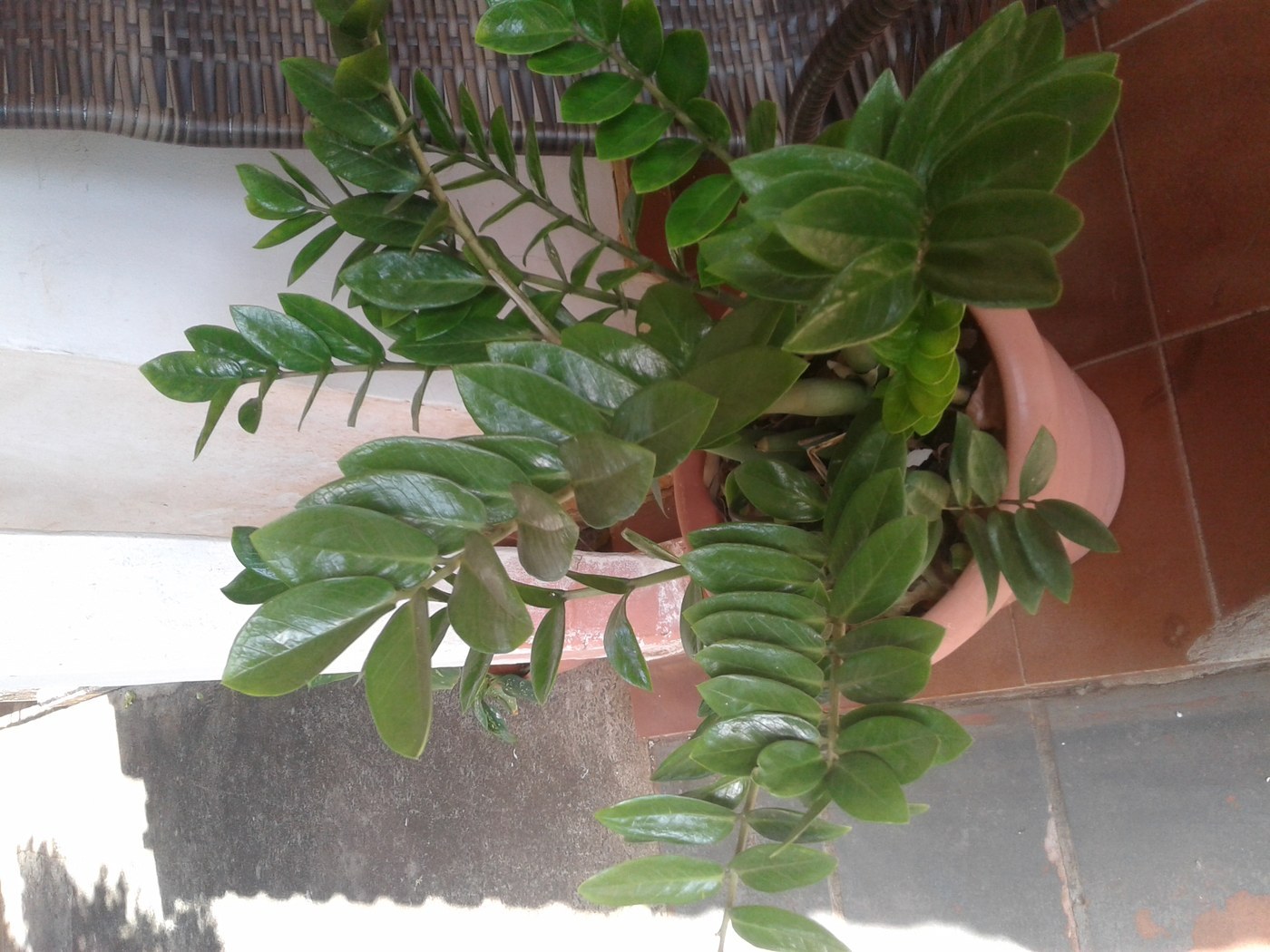
Philodendron
Philodendron hederaceum
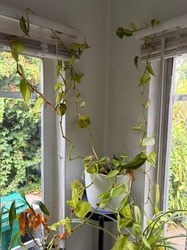
A large, diverse genus of tropical aroids ranging from easy trailing vines to bold upright specimens. The heartleaf philodendron is the classic, nearly indestructible trailing form beloved by beginners.
- Light
- Bright indirect to medium light
- Water
- When top inch dries
- Difficulty
- Easy
Got a plant like this?
Identify any plant from a photo, free.
Overview
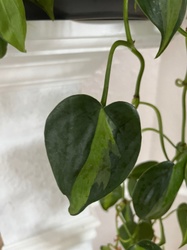
Philodendron is a vast genus of tropical plants in the arum family (Araceae), encompassing both trailing or climbing 'vining' types and self-heading 'upright' types. The most common houseplant is the heartleaf philodendron (Philodendron hederaceum), with glossy, heart-shaped leaves on cascading vines.
Philodendrons are prized for their adaptability, tolerating lower light and irregular care better than many houseplants. The genus also includes dramatic species like the split-leaf selloum and colorful hybrids such as 'Pink Princess.'
How to identify it
General features across the genus:
- Leaves: Typically glossy and often heart-shaped (vining types) or large and lobed/split (upright types)
- New growth: Frequently emerges in a different color (bronze, pink, or pale green) before maturing
- Aerial roots: Climbing types produce aerial roots along the stem to grip supports
- Habit: Either trailing/climbing or self-heading and upright
- Cataphylls: New leaves may unfurl from a sheath that withers and drops
Care & growing
- Light: Bright indirect to medium light; most tolerate lower light than many houseplants
- Water: Water when the top inch of soil dries; avoid letting it sit in water
- Soil: Loose, well-draining, organic-rich potting mix (an aroid mix is ideal)
- Temperature: 65-80F (18-27C); enjoys warmth and humidity
- Feeding: Balanced fertilizer monthly in the growing season
- Propagation: Vining types root readily from stem cuttings; provide a moss pole for climbers
Habitat & origin
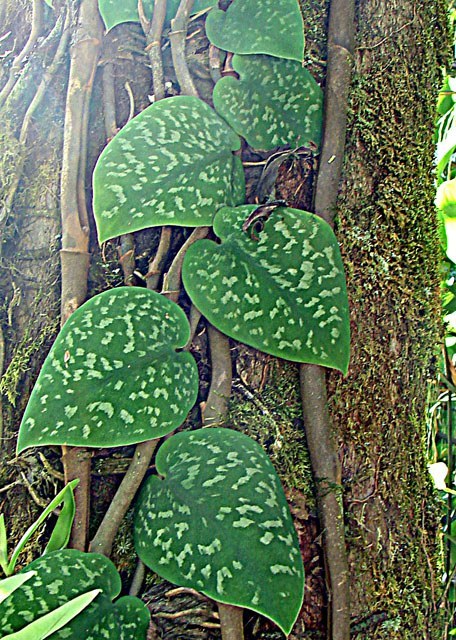
Native to the tropical Americas, especially Central and South America and the Caribbean, where species grow on the forest floor and climb tree trunks as epiphytes and hemiepiphytes.
They are among the most widely grown houseplants worldwide and are used outdoors as tropical landscape plants in frost-free climates.
Frequently asked questions
What's the difference between philodendron and pothos?
They look similar but differ in leaf shape and growth: philodendron leaves are thinner with a more pointed heart shape, and new growth emerges from a sheath rather than from the existing leaf.
Why is my philodendron leggy?
Long gaps between leaves usually mean too little light. Move it brighter and pinch the stems to encourage fuller growth.
Should I give it a moss pole?
Climbing types grow larger, more mature leaves when given a moss pole or support to attach their aerial roots to.
Philodendron guides
In-depth guides for identifying, growing, and caring for Philodendron.

How to Care for Philodendron
Grow heartleaf philodendron (Philodendron hederaceum), a forgiving trailing vine with glossy heart-shaped leaves that thrives in indirect light.
Philodendron Identification Guide
Identify Philodendrons by their aroid leaf traits, smooth petioles, cataphylls on new growth, and the difference between vining and self-heading types.
Philodendron identified by the community
Real specimens identified with Plant Identifier.