
How to Care for Phlox
Grow-and-bloom guide for garden phlox (Phlox paniculata): sun, even moisture, airflow to beat mildew, and long-lasting summer color.
Read the full Phlox encyclopedia entry →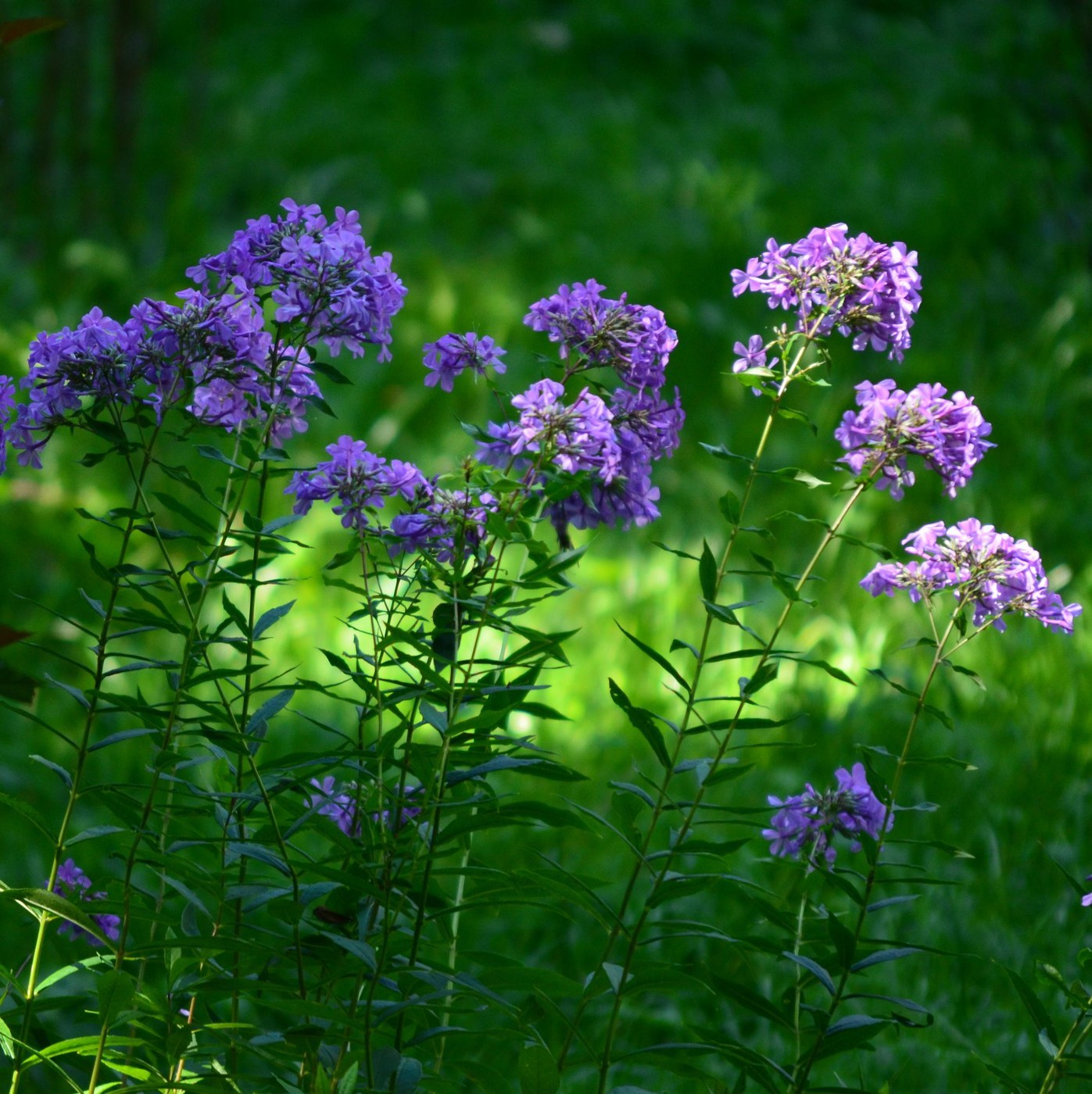
Garden phlox (Phlox paniculata) is a classic, upright perennial prized for large, fragrant flower panicles in mid-to-late summer. It is an easy, rewarding grower once you give it sun, steady moisture, and good air movement.
Light
Give phlox full sun for the strongest stems and heaviest bloom. It tolerates part shade, especially in hot climates where a little afternoon relief keeps colors from fading, but too much shade produces floppy, sparse plants and encourages powdery mildew. Aim for at least 5-6 hours of direct light daily.
Water
Keep the soil evenly moist, especially through the flowering season. Phlox has a moderate-to-high thirst and dislikes drying out; water deeply once or twice a week rather than shallow sprinkles. Water at the base and in the morning so foliage dries quickly, which sharply reduces mildew. A 2-3 inch mulch layer conserves moisture and keeps roots cool.
Soil & Potting
Plant in fertile, humus-rich, well-drained soil with a near-neutral pH. Work in compost or aged manure at planting to boost fertility and water retention. Heavy clay should be lightened with organic matter so roots stay moist but never waterlogged. Space plants generously (18-24 inches) so air circulates freely between them.
Humidity & Temperature
Phlox is a cold-hardy perennial that thrives across a wide temperate range and returns reliably each spring. It handles ordinary summer humidity, but stagnant, muggy air raises mildew risk, so favor open sites with a breeze. It appreciates a winter chill to reset for the next season.
Feeding
Feed in spring as growth resumes with a balanced granular fertilizer or a generous topdressing of compost. A second light feeding as flower buds form supports a fuller display. Avoid heavy nitrogen, which drives soft, disease-prone foliage at the expense of flowers.
Propagation
The easiest method is division every 3-4 years in early spring or fall: lift the clump and separate healthy outer sections, discarding the woody center. You can also take basal stem cuttings in late spring or root cuttings in early spring. Named cultivars come true only from division or cuttings, not seed.
Repotting / Pruning
Thin crowded clumps in spring, removing all but the 5-6 strongest stems to improve airflow and flower size. Pinch stem tips in early summer for bushier, better-branched plants. Deadhead spent panicles to prolong bloom and prevent unwanted self-seeding, since seedlings rarely match the parent color. Cut stems to the ground after frost or in early spring.
Common Problems & Pests
Powdery mildew is the number-one issue, showing as white powder on leaves; prevent it with sun, spacing, morning watering, and mildew-resistant cultivars. Spider mites can appear in hot, dry spells, and occasional aphids gather on new growth. Remove and discard badly affected foliage, and clear debris in fall to reduce overwintering spores.
Seasonal Care Tips
Spring: divide, thin stems, feed, and mulch. Early summer: pinch for bushiness and keep moisture steady. Mid-to-late summer: peak bloom, deadhead regularly, and watch for mildew. Fall: allow a final flush, then cut back and clear debris. Winter: the plant rests underground and needs no attention beyond its protective mulch.
Frequently asked questions
Why does my phlox get white powdery leaves every summer?
That is powdery mildew, encouraged by crowding, shade, and wet foliage. Space plants 18-24 inches apart, thin stems in spring, water at the base in the morning, and choose mildew-resistant cultivars.
How often should I divide garden phlox?
Every 3-4 years in early spring or fall. Lift the clump, keep vigorous outer sections, and discard the woody center to reinvigorate flowering.
Why is my phlox flopping over?
Too much shade, over-rich nitrogen feeding, or overcrowded stems cause weak, leggy growth. Give it full sun, thin to 5-6 strong stems, and pinch tips in early summer for sturdier plants.
Should I deadhead phlox?
Yes. Removing spent panicles prolongs blooming and prevents self-seeding, since seedlings usually revert to a plainer color rather than matching the parent cultivar.