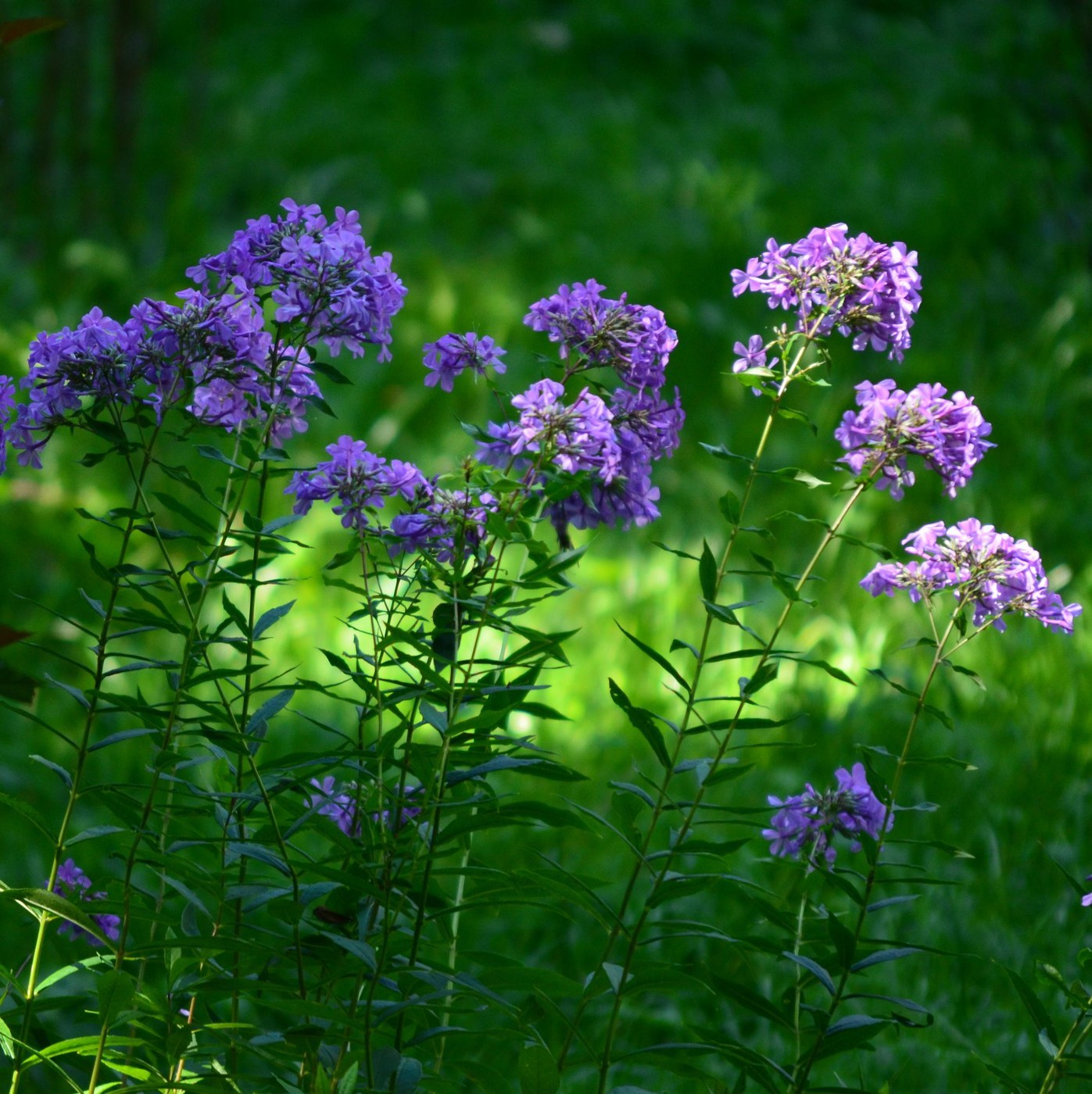
Phlox
Phlox paniculata
Phlox are North American perennials ranging from low spring-flowering carpets to tall, fragrant summer border plants. Their massed clusters of five-petaled flowers draw butterflies and perfume the garden.
- Light
- Full sun to part shade
- Water
- Keep evenly moist
- Difficulty
- Easy
Got a plant like this?
Identify any plant from a photo, free.
Overview
Phlox is a genus of mostly North American perennials and annuals in the family Polemoniaceae, grown for their abundant clusters of starry, five-petaled flowers. The two best-known garden types are tall border phlox (Phlox paniculata), which blooms in fragrant summer panicles, and creeping or moss phlox (Phlox subulata), which forms low spring-flowering mats.
Their flowers come in a wide range of pinks, purples, whites, and reds, often with a contrasting central eye, and many are pleasantly scented. Phlox are mainstays of cottage gardens, rock gardens, and pollinator borders.
The garden phlox is a quintessential midsummer perennial, while creeping phlox is famed for carpeting slopes and walls with color in spring.
How to identify it
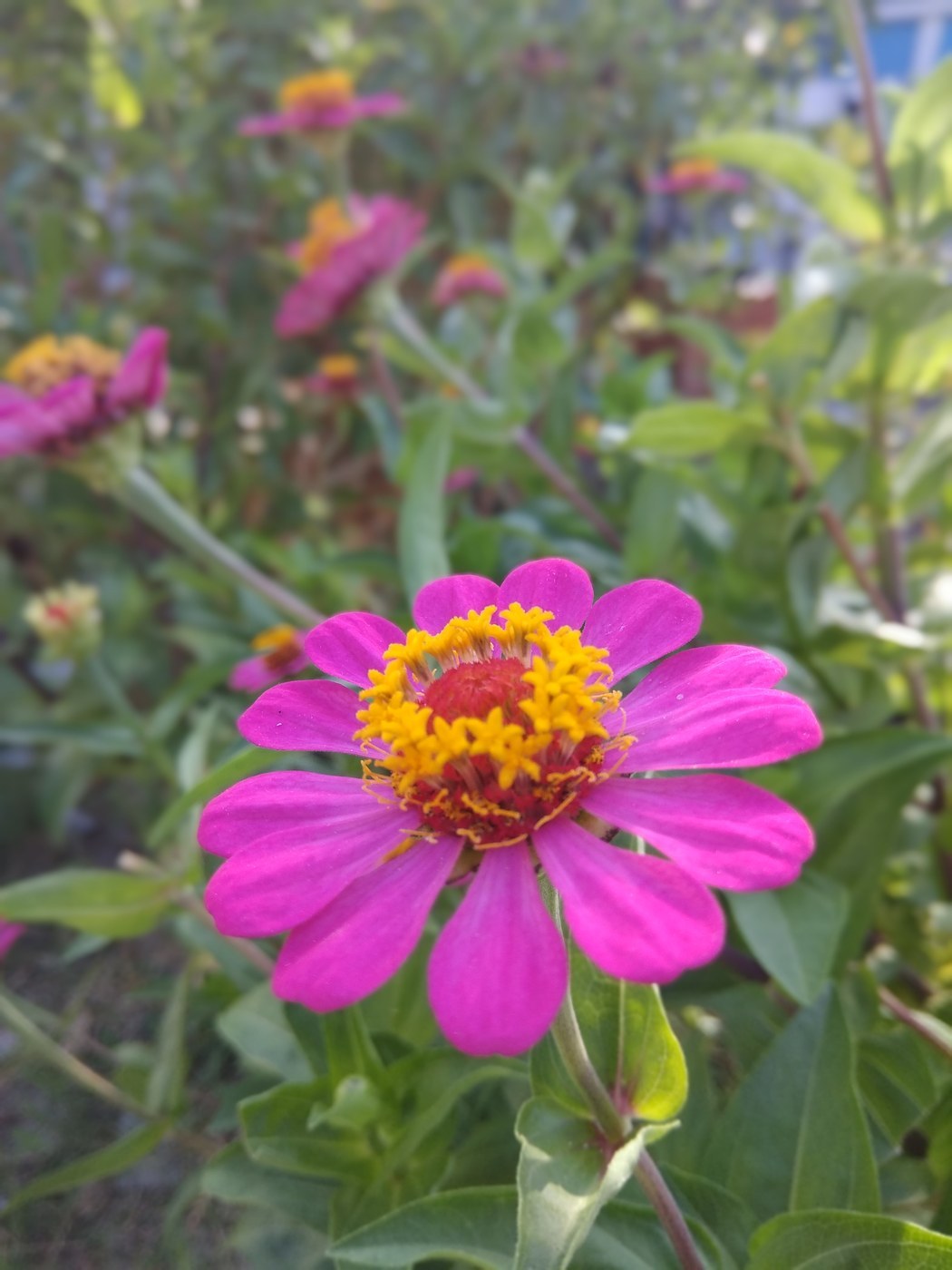
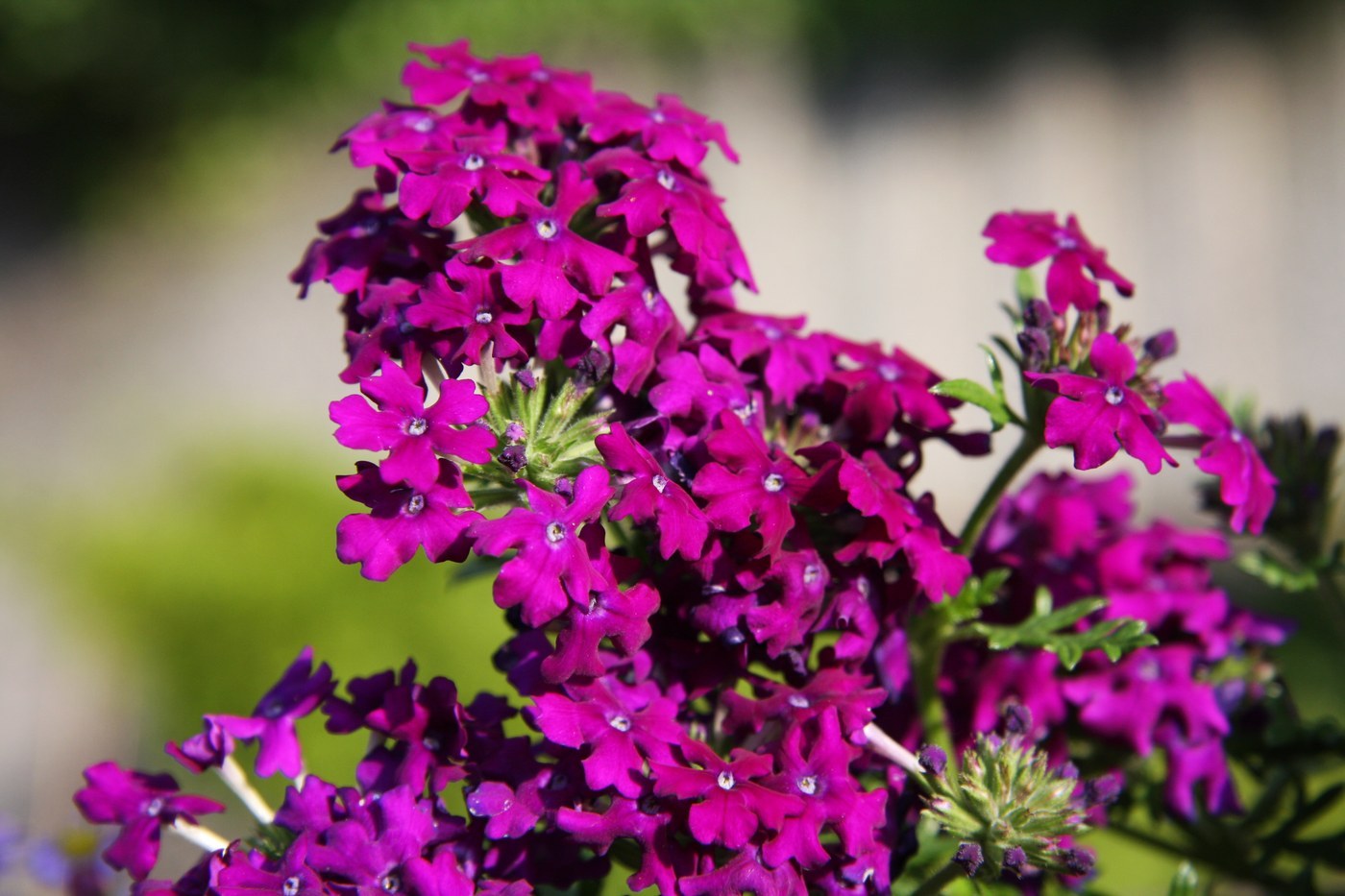
Phlox are identified by their dense heads of flat, five-lobed flowers.
- Flowers: Five-petaled, flat-faced, salverform blooms in domed clusters, frequently with a contrasting eye; often fragrant
- Color: Pink, magenta, lavender, purple, white, and red
- Leaves: Opposite, lance-shaped (tall phlox) or small and needle-like (moss phlox)
- Habit: Tall upright clumps (P. paniculata, 2-4 ft) or low spreading mats (P. subulata, a few inches high)
- Bloom time: Spring (creeping types) or summer (tall border types)
Care & growing
Phlox are easy where they get sun and air movement.
- Light: Full sun to partial shade
- Water: Keep soil evenly moist, especially tall phlox in summer; avoid drought stress
- Soil: Fertile, well-drained soil rich in organic matter (moss phlox tolerates lean, gritty soil)
- Temperature: Hardy perennials, most thriving in USDA zones 3-8
- Feeding: A spring feed of balanced fertilizer supports bloom
- Propagation: Division in spring or fall, stem or root cuttings; moss phlox layers naturally
Tall garden phlox is prone to powdery mildew; improve air circulation, avoid wetting foliage, and choose resistant cultivars. Deadheading prolongs bloom.
Habitat & origin
Phlox are native almost entirely to North America (with one species in Siberia), growing in habitats from open woodlands and prairies to rocky slopes and stream banks. Tall garden phlox hails from woodland edges and meadows of the eastern United States, while moss phlox grows on dry, rocky banks.
They are now widely cultivated in temperate gardens around the world, valued for both spring ground cover (creeping types) and summer borders (tall types).
Frequently asked questions
Why does my phlox have white powder on the leaves?
That is powdery mildew, common on tall garden phlox; improve air circulation, water at the base, and grow mildew-resistant varieties.
What is the difference between creeping and tall phlox?
Creeping (moss) phlox is a low spring-blooming mat used as ground cover, while tall garden phlox is an upright summer-flowering border perennial.
Do phlox attract butterflies?
Yes, the nectar-rich, long-tubed flowers are excellent for butterflies, moths, and hummingbirds.
When does phlox bloom?
It depends on the type: creeping phlox flowers in spring, while tall garden phlox blooms in mid to late summer.
Phlox guides
In-depth guides for identifying, growing, and caring for Phlox.
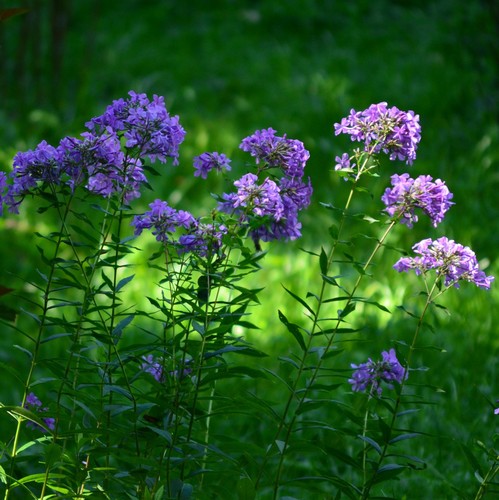
How to Care for Phlox
Grow-and-bloom guide for garden phlox (Phlox paniculata): sun, even moisture, airflow to beat mildew, and long-lasting summer color.
Phlox Identification Guide
Identify phlox by its clusters of five-petaled, flat-faced tubular flowers, opposite untoothed leaves, and the contrast between tall garden phlox and low creeping types.