
How to Care for Pignut Hickory
Grow Pignut Hickory (Carya glabra), a stately deciduous shade tree with a deep taproot, golden fall color, and low water needs once established.
Read the full Pignut Hickory encyclopedia entry →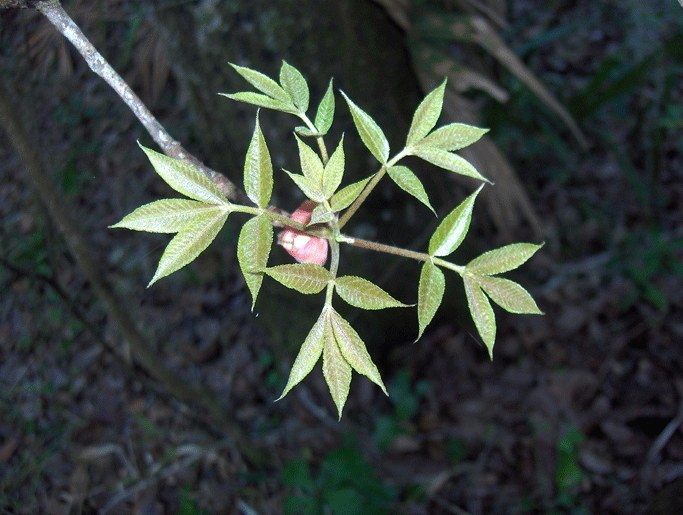
Pignut Hickory (Carya glabra) is a large, long-lived deciduous shade tree native to eastern North American woodlands, prized for its straight trunk, dense canopy, and clear golden-yellow autumn foliage. It is a slow-growing, low-maintenance landscape tree best suited to spacious sites where its deep taproot can develop.
Light
Plant in full sun for the strongest, most symmetrical canopy and best fall color. Pignut Hickory tolerates partial shade, especially as a seedling in a woodland setting, but mature specimens perform best with six or more hours of direct sun. In too much shade the crown becomes thin and open.
Water
Water regularly during the first two to three years to establish the root system, keeping the soil evenly moist but never waterlogged. Once established, this tree is notably drought tolerant and typically needs no supplemental irrigation except during prolonged dry spells. Its deep taproot lets it draw moisture from well below the surface, so deep, infrequent soakings are far better than frequent shallow watering.
Soil & Potting
Pignut Hickory thrives in deep, well-drained loamy soils and adapts to sandy or clay soils as long as drainage is adequate. It prefers slightly acidic to neutral pH and dislikes constantly wet, compacted, or heavily disturbed ground. Because it forms a long taproot early, it resents transplanting; start with a young container or bare-root tree and place it in its permanent location. Container growing is impractical long term given its size and root habit.
Humidity & Temperature
This is a hardy temperate tree, comfortable roughly across USDA zones 4 through 9. It withstands cold winters and hot, humid summers without difficulty and needs no humidity management. Young trees benefit from protection against severe late-spring frosts while leafing out.
Feeding
Established hickories rarely need fertilizer in reasonable soils. For young trees, a light spring application of a balanced slow-release tree fertilizer can encourage steady growth. Maintaining a wide mulch ring and letting fallen leaves decompose supplies most of the nutrients this tree needs. Avoid heavy nitrogen, which promotes weak, fast growth.
Propagation
Propagation is almost always from seed. Collect ripe nuts in autumn, clean off the husk, and sow outdoors in fall or cold-stratify the seed in moist medium for several months before spring sowing. Germination can be slow and uneven. Because of the deep taproot, sow directly where the tree is to grow or use deep root-trainer pots and transplant while very young. Vegetative propagation from cuttings is difficult and unreliable.
Repotting / Pruning
Since it is a landscape tree, standard repotting does not apply. Prune only in the dormant season to remove dead, damaged, or crossing branches and to establish a strong central leader while young. Hickories bleed sap heavily if cut in late winter or early spring, so late fall pruning is preferred. Minimize pruning overall, as the tree naturally forms good structure.
Common Problems & Pests
Pignut Hickory is generally tough and pest-resilient. Occasional issues include hickory bark beetle, aphids, and various leaf-feeding caterpillars, plus cosmetic leaf galls caused by mites or midges that rarely harm the tree. Fungal leaf spots and anthracnose may appear in wet seasons but are seldom serious; raking fallen leaves reduces reinfection. Good air circulation and avoiding root disturbance keep the tree healthy.
Seasonal Care Tips
Spring: apply fresh mulch and watch for late frost on emerging leaves. Summer: water deeply during droughts, especially for young trees. Autumn: enjoy the golden color, collect nuts if propagating, and clean up fallen leaves. Winter: inspect structure and do any needed pruning while dormant, keeping cuts minimal to avoid excessive sap bleeding.
Frequently asked questions
How fast does Pignut Hickory grow?
It is a slow-growing tree, typically adding about 12 inches or less per year, but it is very long-lived and eventually reaches 50 to 80 feet tall.
Why is Pignut Hickory hard to transplant?
It develops a deep taproot early in life, which is easily damaged during digging. Start with a young container or bare-root tree and plant it in its permanent spot.
Does it need a lot of water?
Only while establishing. After the first few years its deep root system makes it quite drought tolerant, needing extra water only in prolonged dry spells.
When should I prune a hickory?
Prune in late fall while dormant and keep it minimal. Late-winter or spring cuts cause heavy sap bleeding, so avoid pruning then.