Pignut Hickory
Carya glabra
Pignut hickory is a tall, upland hickory of eastern North America with smooth gray bark and pear-shaped nuts. It is valued for tough wood, brilliant golden fall color, and as wildlife habitat.
- Light
- Full sun
- Water
- Low to moderate; drought tolerant once established
- Difficulty
- Moderate
Got a plant like this?
Identify any plant from a photo, free.
Overview
Pignut hickory (Carya glabra) is a medium-to-large deciduous tree native to the dry uplands of eastern North America. Its name comes from the early colonial practice of letting pigs forage beneath it.
It is a member of the true hickory group, with strong, heavy wood similar to that of shagbark. Compared with shagbark, its bark is tighter and its nuts smaller and thin-husked.
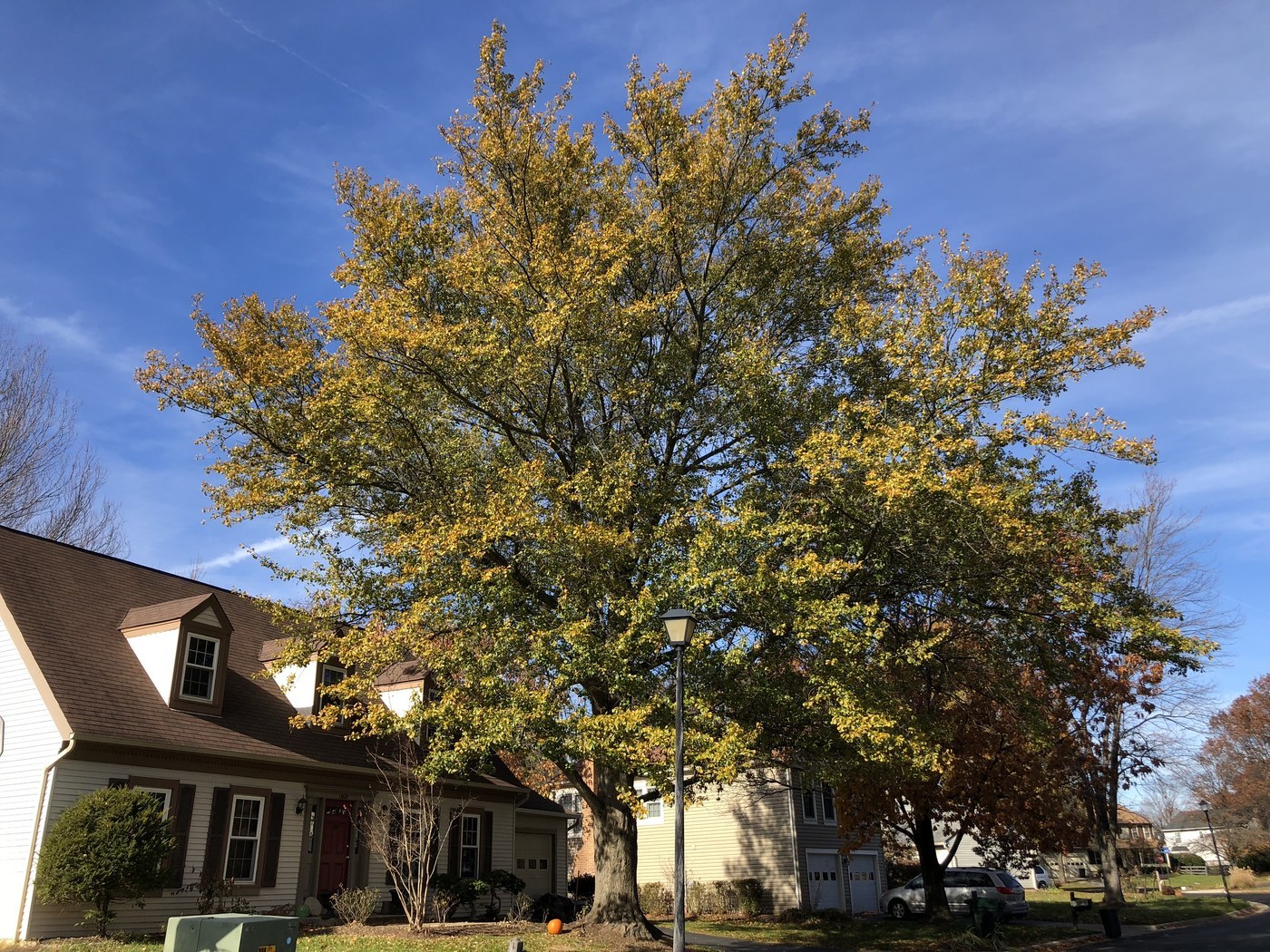
The tree is prized as a sturdy shade tree with clean form and reliable golden-yellow autumn color.
How to identify it
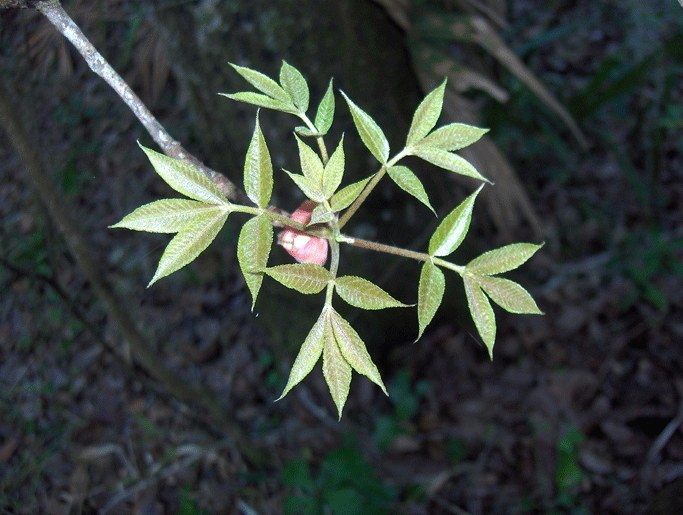
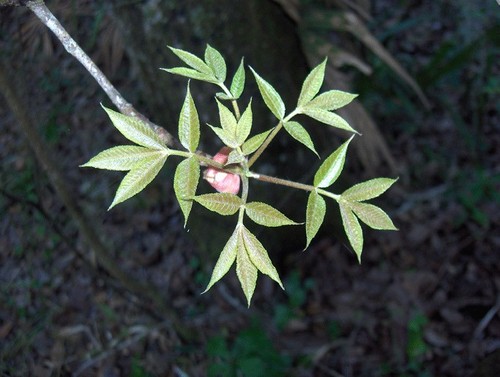
- Leaves: Pinnately compound, 6–12 in long, typically with 5 (sometimes 7) glossy, finely toothed leaflets.
- Bark: Gray, fairly smooth when young, developing tight, interlacing diamond-shaped ridges; not shaggy.
- Fruit: Small, pear- or egg-shaped nut with a thin husk that splits only partway down.
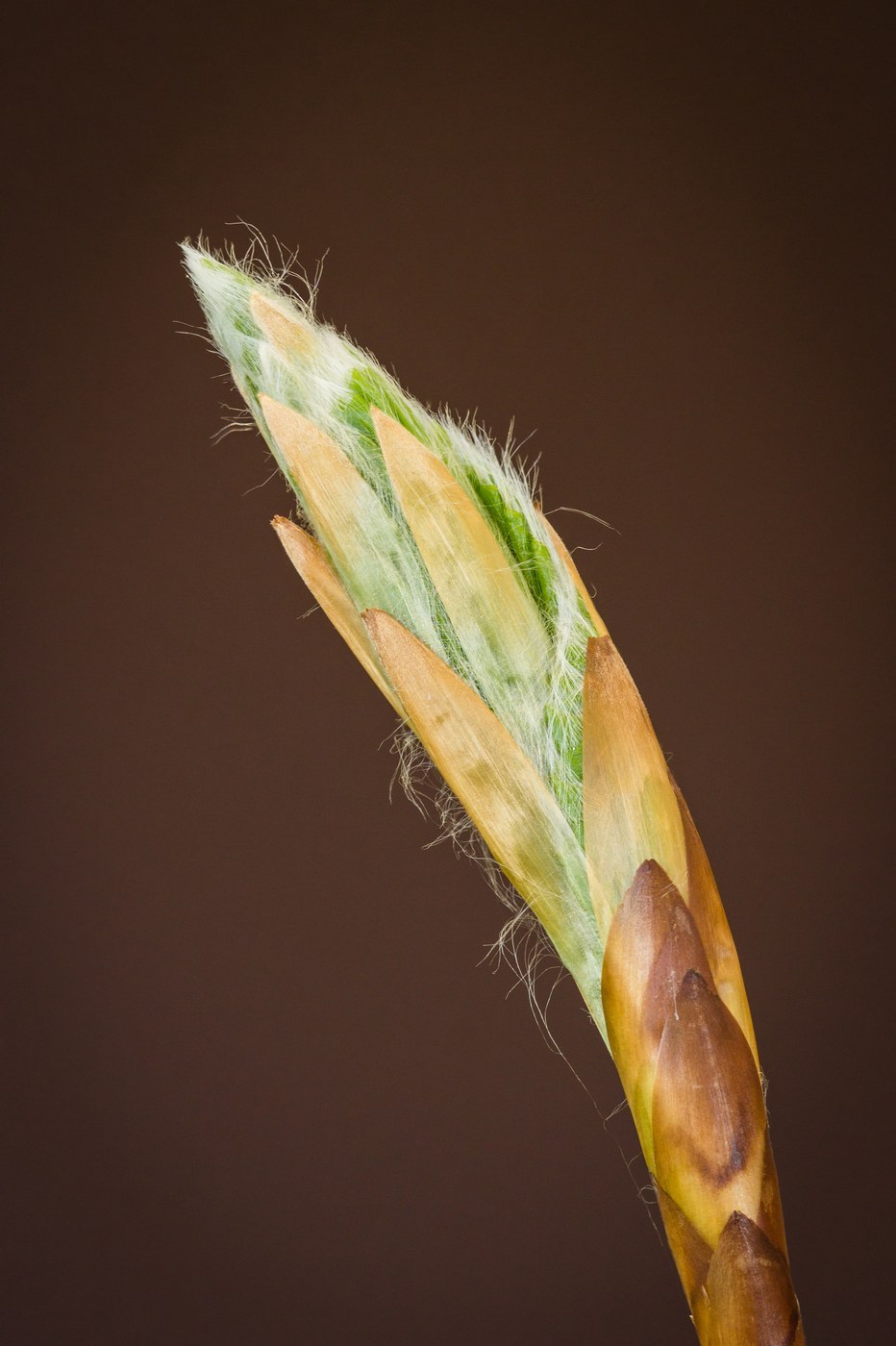
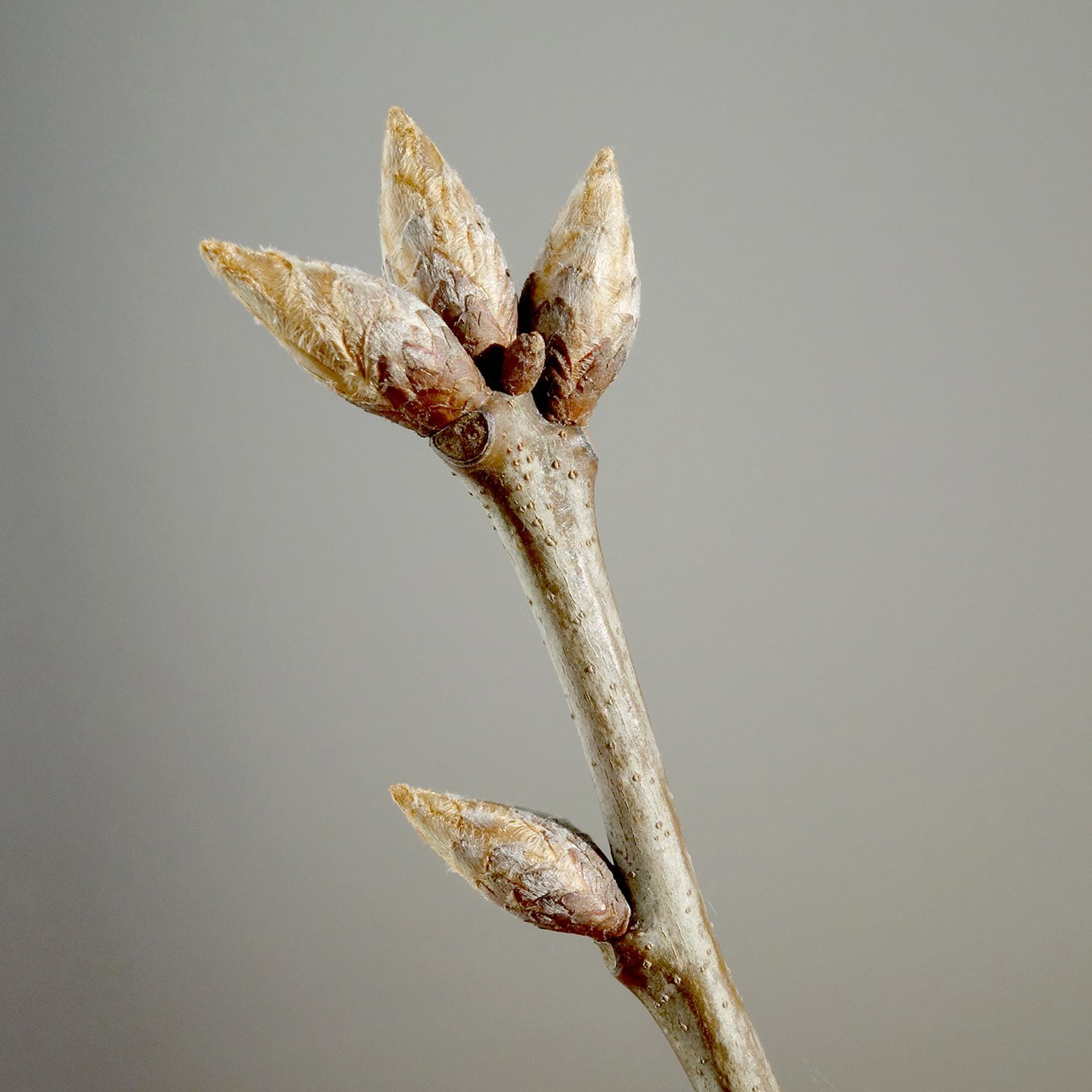
- Buds: Small, brownish, and tan — not yellow like bitternut.
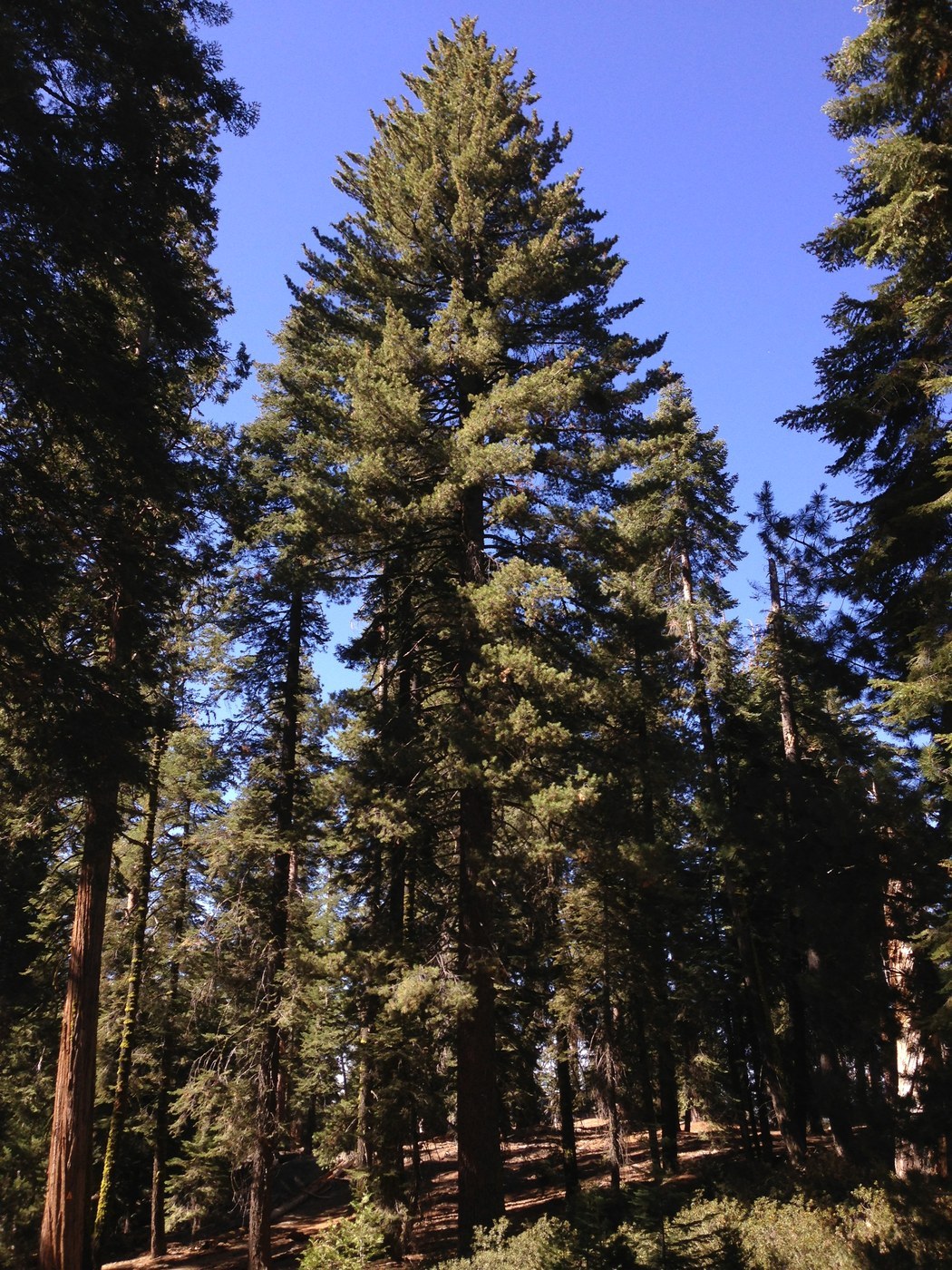
- Size & habit: 50–80 ft tall with a tall, oblong crown and a deep taproot.
Care & growing
Pignut hickory thrives in full sun on dry to medium, well-drained sites.
- Water: Drought tolerant once established; dislikes constantly wet ground.
- Soil: Prefers dry, rocky, or sandy upland soils; adaptable to a range of well-drained types.
- Temperature: Hardy in USDA zones 4–9.
- Feeding: Rarely required.
- Propagation: Grown from stratified seed; the deep taproot makes transplanting older trees difficult, so plant young. Releases juglone through roots and litter.
Habitat & origin
Native to eastern North America, from southern Ontario and New England south to Florida and west to the Mississippi Valley.
It is characteristic of dry ridges, slopes, and upland hardwood forests, often growing alongside oaks. It tolerates poorer, drier soils than many other hickories.
Frequently asked questions
How do I distinguish pignut from shagbark hickory?
Pignut has tight, non-peeling bark and usually 5 leaflets, while shagbark has loose, peeling bark plates and usually 5 larger leaflets with hairy leaf margins.
Is pignut hickory a good shade tree?
Yes. It has a tall, clean form, golden fall color, and tolerates dry upland soils, though its deep taproot means it should be planted young.
Why is it called pignut?
The name comes from the early colonial practice of turning pigs loose to forage in groves of the tree.
How big does pignut hickory get?
It typically reaches 50 to 80 feet tall with a tall, oblong crown and a deep taproot.
Pignut Hickory guides
In-depth guides for identifying, growing, and caring for Pignut Hickory.
How to Care for Pignut Hickory
Grow Pignut Hickory (Carya glabra), a stately deciduous shade tree with a deep taproot, golden fall color, and low water needs once established.
Pignut Hickory Identification Guide
How to identify Pignut Hickory (Carya glabra) by its tight gray bark, 5-7 smooth leaflets, brown buds, and distinctive pear-shaped nuts.