How to Care for Pin Oak
Grow a fast, pyramidal Pin Oak in full sun and acidic, moisture-retentive soil, with rich fall color and tolerance for wet ground.
Read the full Pin Oak encyclopedia entry →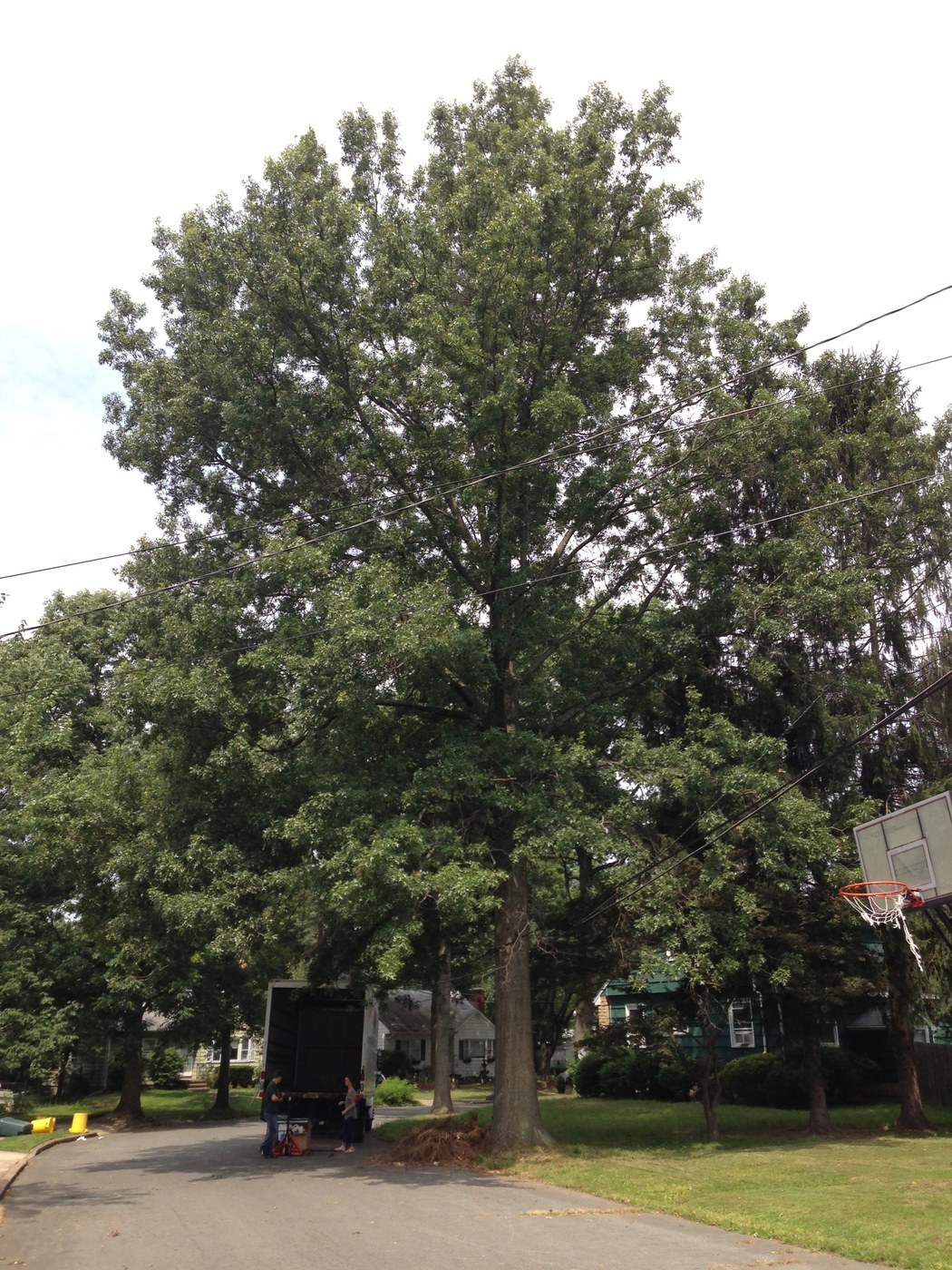
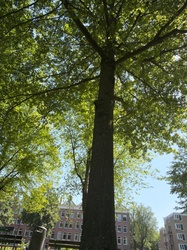
The Pin Oak (Quercus palustris) is a fast-growing deciduous shade tree prized for its neat pyramidal form, deeply lobed glossy leaves, and brilliant scarlet-to-bronze fall color. It is one of the easier oaks to establish and tolerates wet soils better than most, making it a popular landscape and street tree.
Light
Plant Pin Oak in full sun for best form and strongest fall color. It needs at least six hours of direct sun daily and grows straight and symmetrical in open sites. Shade produces sparse, weak growth and poor autumn color, so choose an unobstructed location with room for a mature spread of 40 feet or more.
Water
Pin Oak appreciates moderate, consistent moisture and famously tolerates wet, periodically flooded soils that would harm other oaks. Water young trees deeply and regularly during their first two or three years to establish the root system. Once established, it handles average rainfall and short dry spells, but it prefers soils that stay somewhat moist and does not thrive in prolonged drought.
Soil & Potting
This tree strongly prefers acidic, moisture-retentive soil and is well known for developing iron chlorosis (yellowing leaves with green veins) in alkaline or high-pH ground. Rich loam is ideal, though it adapts to clay and tolerates poor drainage. If your soil is alkaline, choose a different oak or amend to lower the pH, since chlorosis is difficult to correct long term.
Humidity & Temperature
Pin Oak is fully cold-hardy across a wide temperate range, roughly USDA zones 4 through 8, and needs no special humidity. It withstands cold winters and hot summers well once established. Its main climatic limitation is soil chemistry rather than temperature.
Feeding
Established Pin Oaks in decent soil rarely need feeding. For young trees or those showing pale foliage, apply a balanced or acidifying fertilizer in early spring. Where iron chlorosis appears, soil acidification and iron supplements help greened-up growth, but correcting the underlying soil pH is the durable solution. Avoid heavy nitrogen, which forces soft growth.
Propagation
Pin Oak is grown from acorns. Collect ripe acorns in fall, remove any floating (non-viable) ones, and sow promptly or cold-stratify them over winter before spring sowing. Seedlings develop a fibrous, relatively shallow root system that transplants more readily than the taproot of many oaks, which is one reason nurseries favor this species.
Repotting / Pruning
Prune in late winter while dormant to remove dead, damaged, or crossing branches. Pin Oak naturally holds low, downward-sweeping branches, so light limbing-up over several years improves clearance for lawns and walkways. Avoid heavy pruning at once; make clean cuts and space major work across seasons to reduce stress.
Common Problems & Pests
The signature problem is iron chlorosis on alkaline soil, seen as yellow leaves with green veins. Oak wilt, anthracnose, and various leaf galls can also occur, and borers may attack stressed trees. Keeping the tree vigorous with proper soil, sun, and moisture is the best defense. Prune only in dormancy in regions where oak wilt is present to limit disease spread.
Seasonal Care Tips
In spring, watch new leaves for chlorosis and feed young trees if needed. Water deeply through summer heat, especially for recently planted trees. Enjoy the strong red fall color in autumn; note that many young Pin Oaks retain dried brown leaves through winter, which is normal. Do dormant pruning in late winter before bud break.
Frequently asked questions
Why are my Pin Oak leaves yellow with green veins?
That pattern is iron chlorosis, usually caused by alkaline or high-pH soil. Acidify the soil and apply iron, but the lasting fix is providing the acidic soil this tree needs.
Can Pin Oak handle wet or poorly drained soil?
Yes. Pin Oak tolerates wet, periodically flooded soils better than most oaks, which is one of its main landscape strengths.
How much sun does a Pin Oak need?
Full sun, at least six hours daily, for a symmetrical pyramidal shape and the best scarlet fall color. Shade leads to sparse growth and dull color.
Why does my young Pin Oak keep brown leaves all winter?
Young Pin Oaks often retain dead brown leaves through winter, a trait called marcescence. It is normal and the leaves drop as new growth pushes in spring.
Pin Oak identified by the community
Recent Pin Oak specimens identified with Plant Identifier.