
How to Care for Pineapple Guava
Grow Feijoa sellowiana, a handsome evergreen shrub with silvery leaves and showy flowers, in full sun to part shade with modest water.
Read the full Pineapple Guava encyclopedia entry →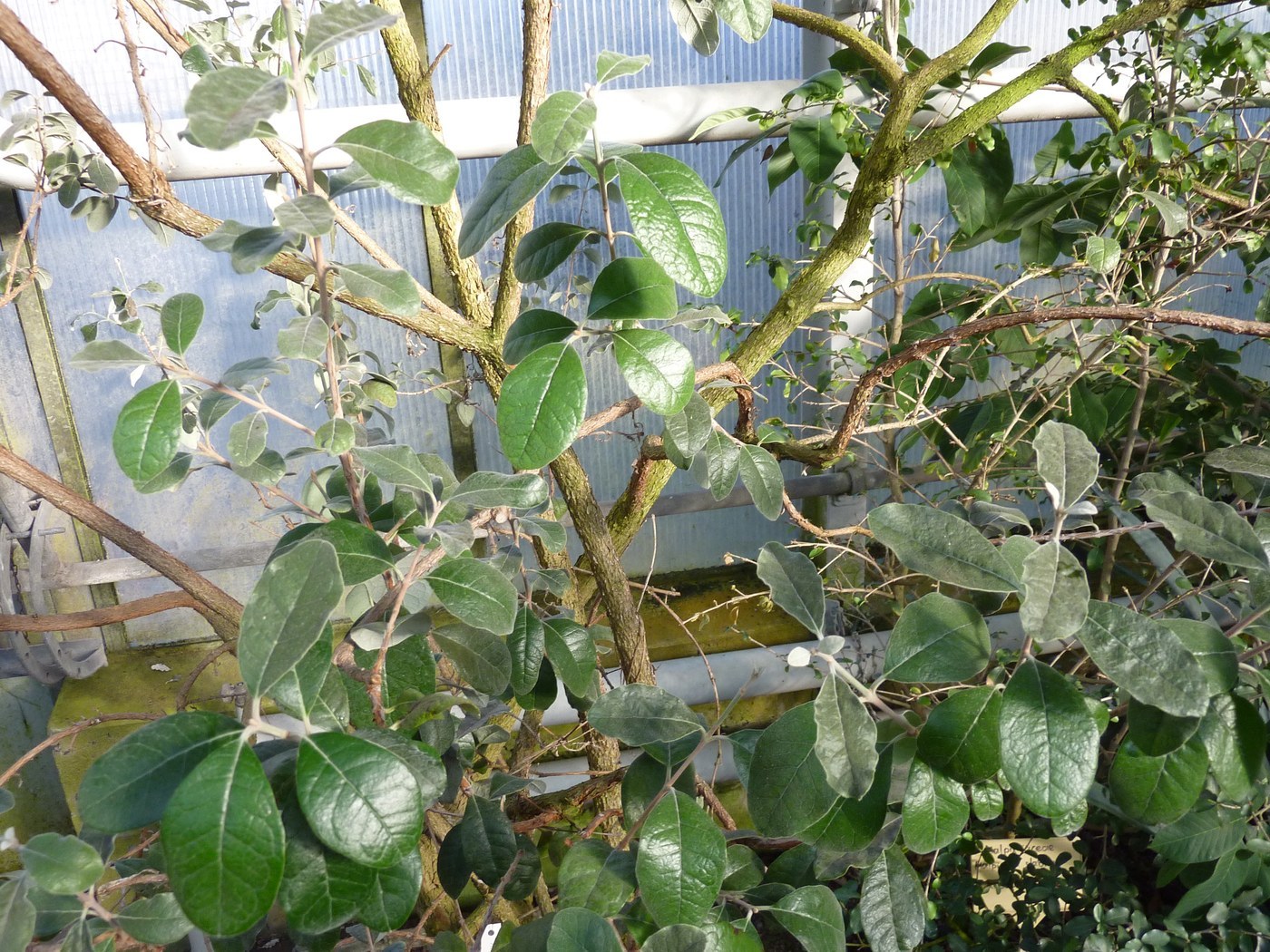
Pineapple guava (Feijoa sellowiana) is a slow-growing evergreen shrub prized for its silver-backed foliage and striking red-and-white flowers. Easygoing and drought-tolerant once established, it makes an excellent specimen, informal hedge, or espalier in warm-temperate gardens.
Light
Grows best in full sun, which encourages dense, compact growth and the heaviest flowering. It tolerates part shade, though plants there become more open and bloom less freely. In very hot inland climates, a little afternoon shade helps prevent leaf scorch.
Water
Water moderately and regularly during the first two or three seasons to establish a deep root system. Once established, feijoa is notably drought-tolerant and needs only occasional deep soaking in prolonged dry spells. Consistent moisture during the flowering and growing period supports the best display; avoid waterlogged soil.
Soil & Potting
Adaptable to a wide range of soils, from sandy to clay, provided drainage is reasonable. It prefers a slightly acidic to neutral pH and appreciates soil enriched with organic matter. For container culture, use a free-draining potting mix and a pot with ample drainage holes; feijoa grows happily in large containers for years.
Humidity & Temperature
Thrives in mild, Mediterranean-style climates and tolerates coastal conditions and wind well. Mature plants are hardy to roughly the mid-teens Fahrenheit. In colder regions grow it in a pot that can be moved to a sheltered spot or unheated greenhouse over winter.
Feeding
A light feeder. Apply a balanced, slow-release fertilizer in spring and again in early summer. Avoid excessive nitrogen, which drives leafy growth at the expense of flowers. Container plants benefit from a diluted liquid feed through the growing season.
Propagation
Most reliably propagated from semi-hardwood cuttings taken in summer, treated with rooting hormone and kept warm and humid; rooting can be slow. Seed is possible but seedlings are variable and slow to mature. Layering low branches is another dependable method.
Repotting / Pruning
Prune after flowering to shape the plant, thin crowded interior growth, and maintain size as a hedge or espalier. It responds well to hard renovation pruning. Repot container specimens every two to three years into fresh mix, refreshing the top layer of compost in intervening years.
Common Problems & Pests
Feijoa is largely trouble-free. Scale insects and occasional mealybugs may appear and can be treated with horticultural oil. Root rot follows waterlogged soil, so ensure good drainage. Poor flowering usually traces to too much shade or over-feeding with nitrogen.
Seasonal Care Tips
Spring: feed and mulch as new growth begins. Summer: enjoy the flowers, water during dry spells, and take cuttings. Autumn: reduce watering. Winter: protect potted or young plants from hard frost and hold off on pruning until after any cold snaps pass.
Frequently asked questions
How much sun does pineapple guava need?
Full sun gives the densest growth and most flowers, but it tolerates part shade with a more open habit and lighter bloom.
Is pineapple guava drought-tolerant?
Yes. After two to three seasons of regular watering to establish deep roots, it needs only occasional deep soaking in dry weather.
Can I grow feijoa in a container?
Absolutely. Use a large pot with free-draining mix and good drainage holes; it thrives potted for years and can be moved to shelter in cold climates.
When should I prune pineapple guava?
Prune just after flowering to shape it, thin crowded stems, or maintain a hedge. It tolerates even hard renovation pruning.
Why is my feijoa not flowering well?
Usually too much shade or excess nitrogen fertilizer. Move it to brighter light and switch to a lower-nitrogen, balanced feed.