
How to Care for Pinon Pine
A slow, sculptural high-desert conifer that thrives on full sun, sharp drainage, and very little water once established.
Read the full Pinon Pine encyclopedia entry →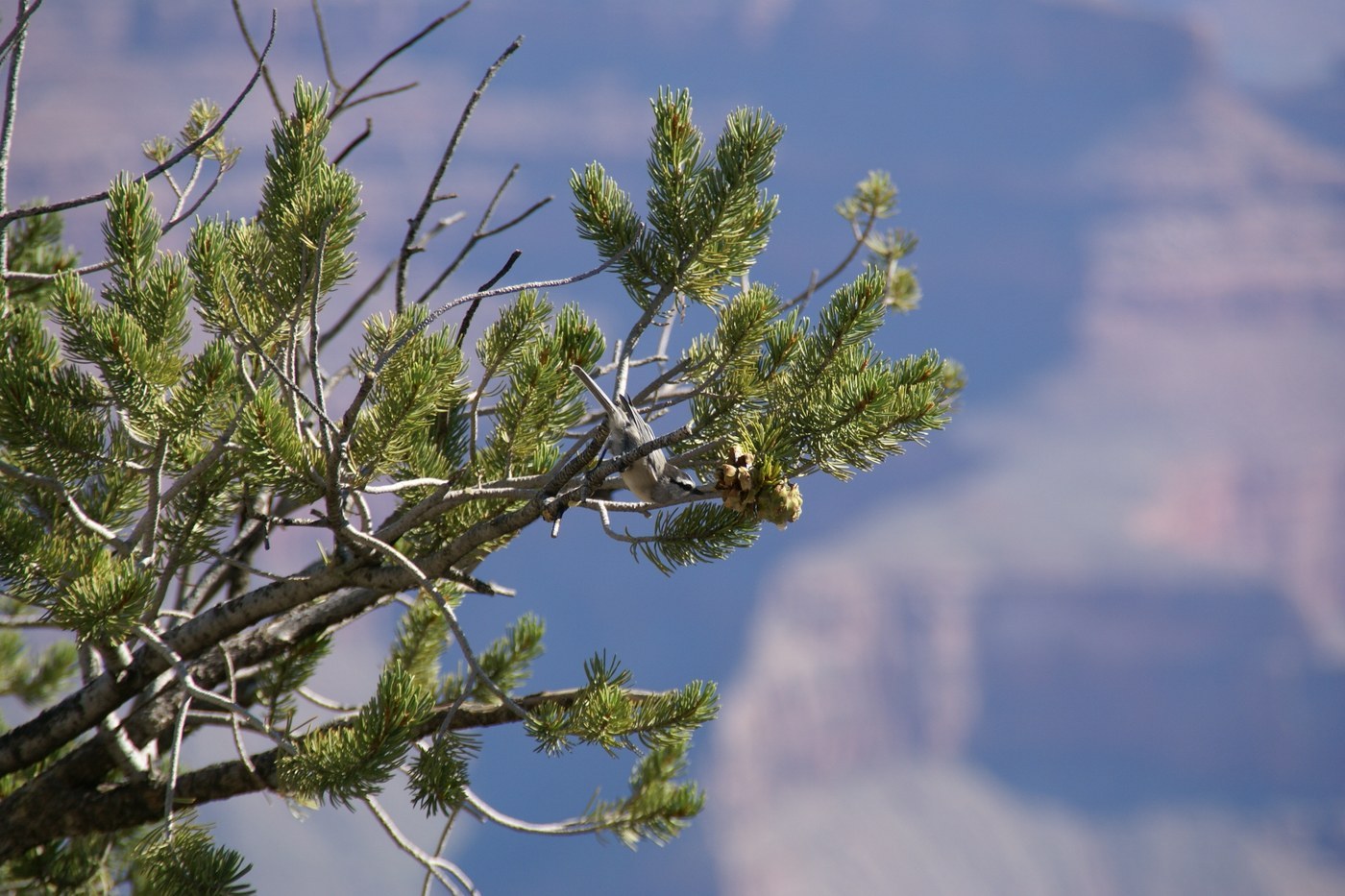
Pinon Pine (Pinus edulis) is a slow-growing, drought-hardy evergreen conifer native to the arid mountains and mesas of the American Southwest. Compact, often picturesquely gnarled, and extremely tough, it is a superb ornamental and specimen tree for hot, dry, well-drained landscapes and a favorite for xeriscaping and even large containers.
Light
Pinon pine demands full sun. It is a high-desert species adapted to intense, unfiltered light and needs at least 6-8 hours of direct sun a day to grow dense and healthy. It will not thrive in shade, becoming thin and weak. Give it the most open, sunny position you have.
Water
This tree is very drought-tolerant and wants low water once established. Water a young, newly planted tree deeply but infrequently through its first couple of years to build a strong root system, letting the soil dry well between soaks. After establishment it needs little to no supplemental water in most climates, relying largely on natural rainfall. The one thing it cannot abide is soggy, poorly drained soil, so err strongly toward too dry rather than too wet.
Soil & Potting
Sharp drainage is essential. Pinon pine grows naturally in rocky, sandy, gravelly, often alkaline soils and resents heavy, wet ground. Plant it in lean, gritty, fast-draining soil; amend clay with grit and consider planting on a slight mound to shed water. It does not need or want rich soil. In containers use a very free-draining, gritty conifer or cactus-style mix in a pot with excellent drainage.
Humidity & Temperature
Adapted to the high desert, pinon pine thrives in dry air and handles broad temperature swings, baking summer heat, and cold, snowy winters with ease (roughly USDA zones 5-8). It is very cold-hardy and equally at home in intense summer sun. Dry conditions suit it perfectly; prolonged humid, wet climates are its poorest match.
Feeding
Pinon pine is adapted to poor soils and needs very little feeding. Generally no fertilizer is necessary in the landscape. If growth on a young or container tree is notably weak, a single light spring application of a slow-release conifer fertilizer is sufficient. Avoid heavy feeding, which forces soft, unnatural growth on this naturally slow, frugal tree.
Propagation
Pinon pine is grown from seed. The seeds require a period of cold, moist stratification to break dormancy, after which they are sown in deep, well-draining containers to accommodate the taproot. Germination and early growth are slow, so patience is essential. Seedlings are best kept in deep pots and transplanted while young to avoid disturbing the developing taproot.
Repotting / Pruning
Because it is so slow-growing, pinon pine rarely needs frequent repotting; container specimens (including bonsai) are moved up only every few years, ideally in early spring, with care taken not to damage the taproot and root system. Pruning needs are minimal: remove dead, damaged, or crossing branches and lightly shape as desired. Its naturally sculptural form is part of its appeal, so a light hand is best. It is also a classic subject for bonsai, where careful candle-pinching and wiring refine the shape.
Common Problems & Pests
The most common cause of failure is overwatering or poor drainage leading to root rot, so keep it lean and dry. Stressed trees, especially those weakened by drought or crowding, can be vulnerable to bark beetles and pine needle scale; keeping the tree appropriately vigorous but not overwatered is the best defense. Occasional needle browning of old inner needles is normal seasonal shedding. Ensure good spacing and airflow to reduce stress and pest pressure.
Seasonal Care Tips
In spring, do any light pruning or repotting and give young trees their deep, infrequent establishment watering. Through summer, established trees generally need no extra water, while young ones benefit from occasional deep soaks in extreme heat. In fall, ease off watering as growth slows. In winter, it is fully cold-hardy and needs little attention; simply ensure it is never sitting in cold, waterlogged soil.
Frequently asked questions
How much water does a pinon pine need?
Very little once established. Water young trees deeply but infrequently for the first couple of years to build roots, then rely mostly on natural rainfall. It is highly drought-tolerant and far more likely to suffer from overwatering than from drought.
What kind of soil does pinon pine need?
Lean, gritty, sharply draining soil, much like its native rocky, sandy, often alkaline ground. Avoid heavy, wet soil; amend clay with grit or plant on a mound, and use a free-draining mix in containers.
Why is my pinon pine growing so slowly?
That is normal. Pinon pine is naturally a very slow grower, which makes it excellent for containers and bonsai but means it takes years to gain size. Full sun and sharp drainage keep it as healthy and steady as possible; avoid over-fertilizing to force growth.
Can pinon pine handle cold winters?
Yes. As a high-desert species it is very cold-hardy, tolerating snowy, freezing winters (roughly USDA zones 5-8) as well as intense summer heat. Just make sure it never sits in cold, waterlogged soil.