Piñon Pine
Pinus edulis
Piñon Pine is a small, drought-hardy pine of the American Southwest and the state tree of New Mexico. It is a defining species of arid pinyon-juniper woodlands.
- Light
- Full sun
- Water
- Low; very drought-tolerant
- Difficulty
- Moderate
Got a plant like this?
Identify any plant from a photo, free.
Overview
Piñon Pine (Pinus edulis), also spelled pinyon, is a small, slow-growing pine native to the semi-arid mesas and foothills of the American Southwest. It bears small rounded cones holding large, wingless seeds.
It is the dominant tree of vast pinyon-juniper woodlands across the Colorado Plateau and is the state tree of New Mexico.
How to identify it
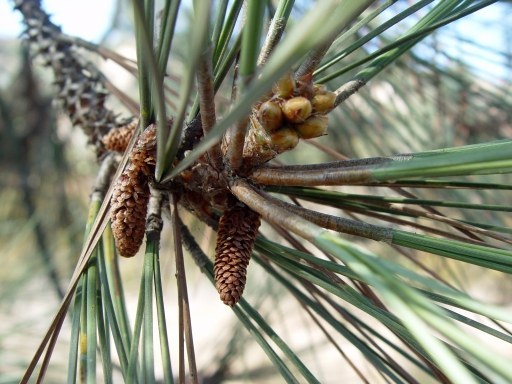
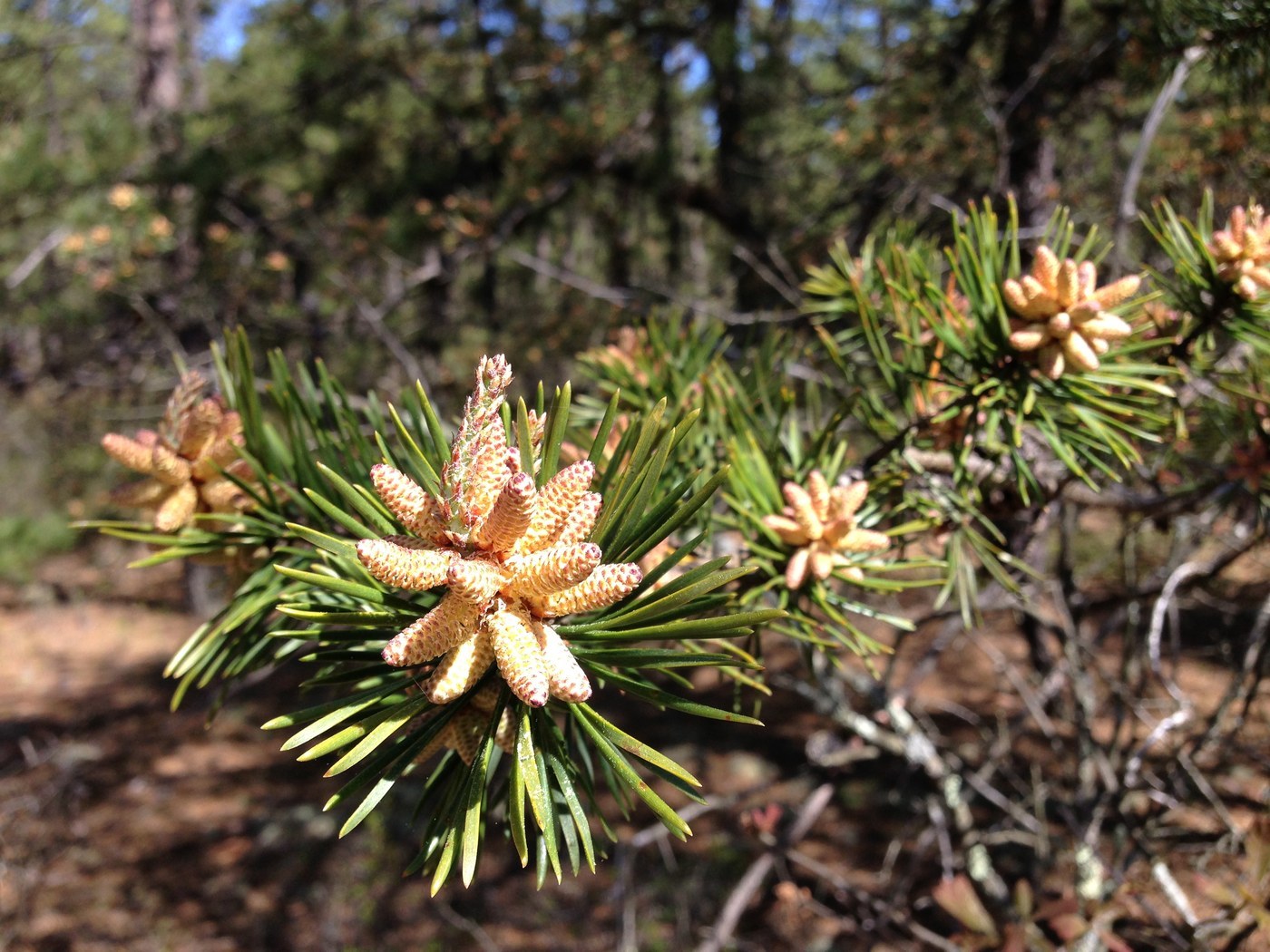
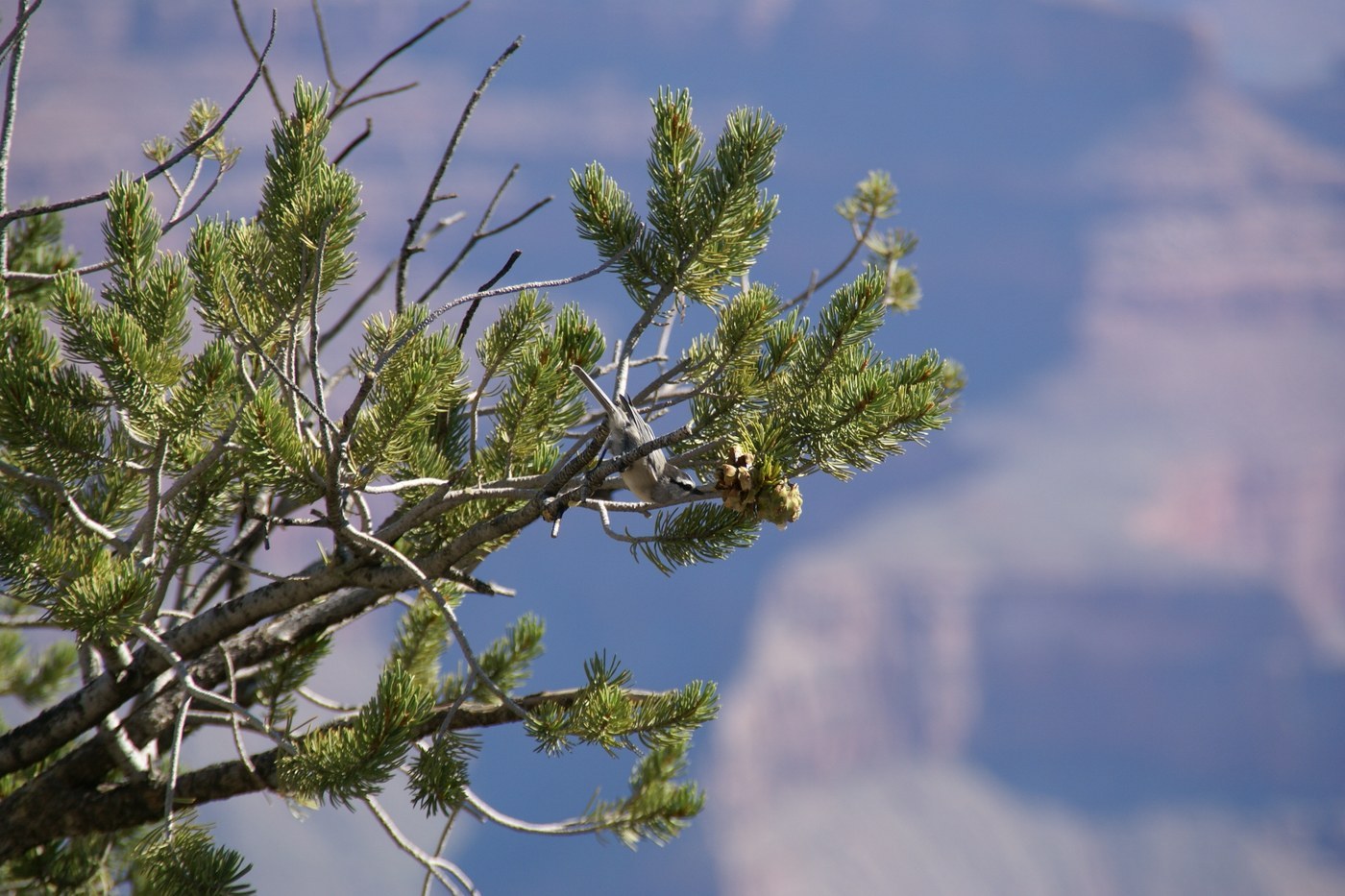
- Needles: Short, stiff, 2-4 cm, usually in bundles of two (occasionally one), dark green, persisting several years
- Cones: Small, rounded, 3-5 cm, opening to release large wingless seeds
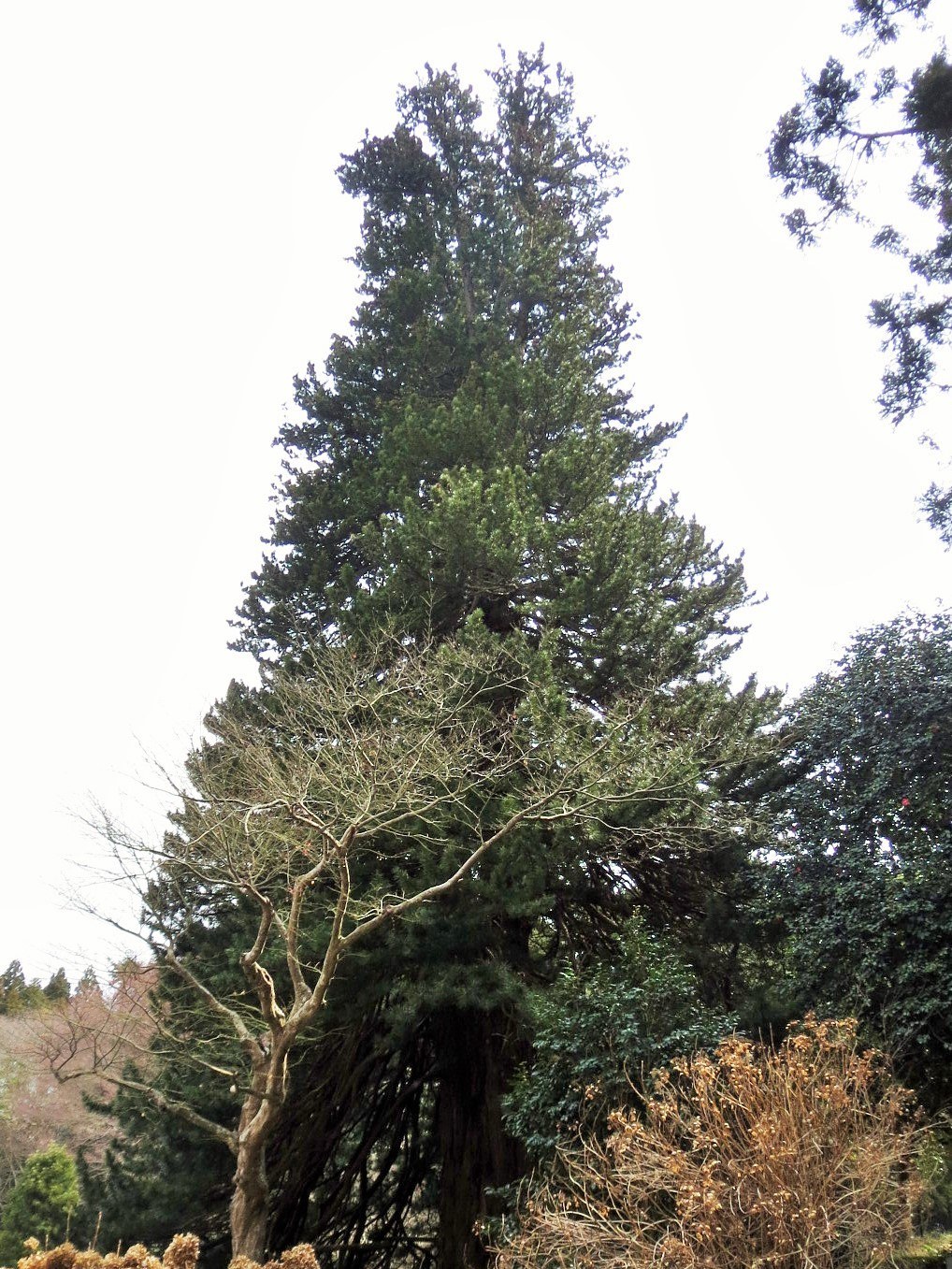
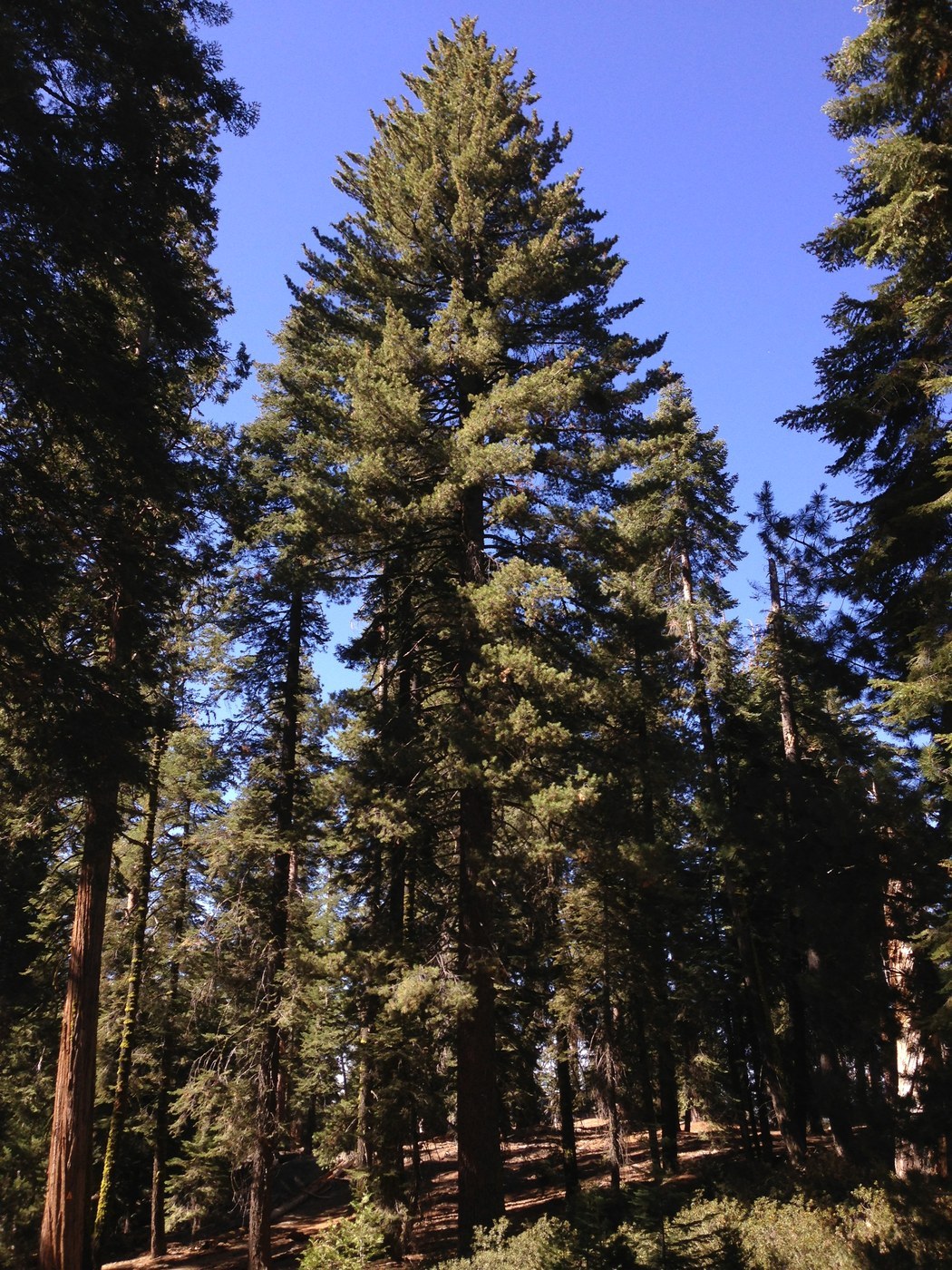
- Habit: Small, bushy, often multi-stemmed tree 3-7 m, rounded and slow-growing
- Bark: Reddish-brown, furrowed with age
- Its small stature, two short needles per bundle, and large wingless seeds in the Southwest distinguish it
Care & growing
Light: Full sun.
Water: Extremely drought-tolerant; needs little to no supplemental water once established and excellent drainage.
Soil: Lean, rocky, well-drained, alkaline to neutral soils; dislikes rich or wet ground.
Temperature: Hardy to USDA zone 5; adapted to hot days, cold nights, and arid conditions.
Feeding: None needed.
Propagation: From seed; very slow-growing, so patience is required.
Habitat & origin
Native to the southwestern United States, centered on the Colorado Plateau across Arizona, New Mexico, Colorado, Utah, and adjacent states, generally at 1,500-2,300 m. It dominates the widespread pinyon-juniper woodland alongside junipers.
It thrives on dry mesas, foothills, and rocky slopes in regions with low rainfall and is a cornerstone of arid Southwestern ecosystems.
Frequently asked questions
How many needles does it have per bundle?
Pinus edulis typically has two needles per fascicle, which is why it is also called the two-needle pinyon.
How drought-tolerant is it?
Extremely. It is adapted to arid Southwestern climates and needs very little water once established.
What is pinyon-juniper woodland?
A widespread dry vegetation type of the western US dominated by piñon pines and junipers, covering much of the Colorado Plateau.
Piñon Pine guides
In-depth guides for identifying, growing, and caring for Piñon Pine.
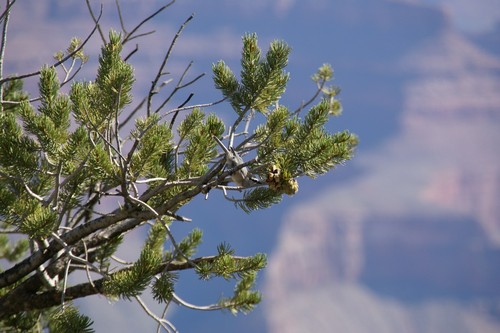
How to Care for Pinon Pine
A slow, sculptural high-desert conifer that thrives on full sun, sharp drainage, and very little water once established.
Piñon Pine Identification Guide
How to identify piñon pine (Pinus edulis) by its short paired needles, rounded bushy form, and large wingless seeds. Covers needles, cones, bark, and look-alikes.