
How to Care for Pitch Pine
Grow the rugged Pitch Pine in full sun and poor, sandy soil; this drought-tolerant native conifer thrives on tough sites where little else will.
Read the full Pitch Pine encyclopedia entry →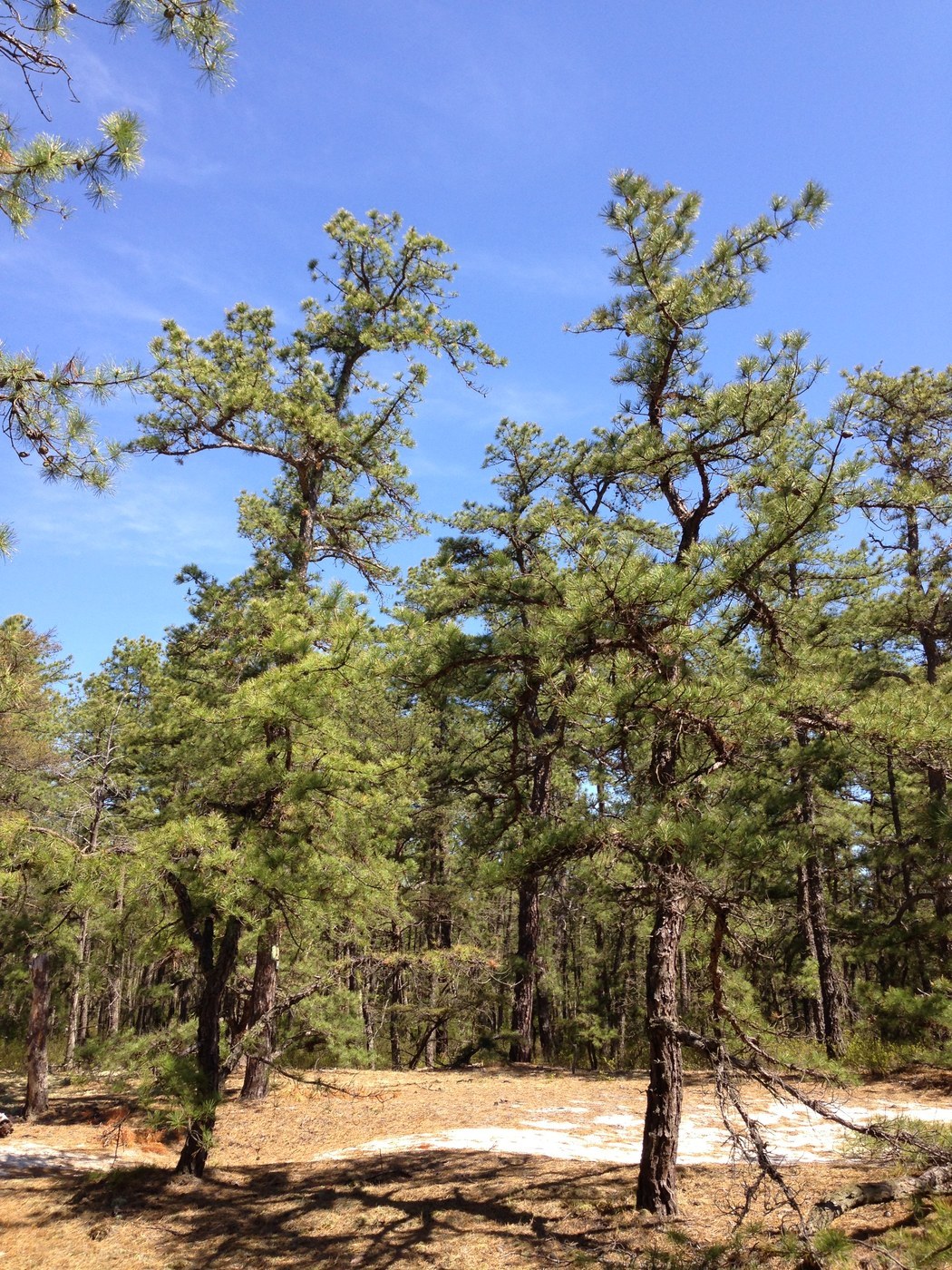
The Pitch Pine (Pinus rigida) is a tough, irregular native conifer with stiff needles in bundles of three and a remarkable ability to thrive on poor, sandy, and rocky sites. It is famously resilient, tolerating drought, sterile soil, and even sprouting new growth from its trunk after damage, making it an easy, low-maintenance tree for challenging landscapes.
Light
Pitch Pine demands full sun. It is a pioneer species that colonizes open, exposed ground and will not tolerate shade, where it grows thin, weak, and eventually declines. Plant it in the most open, sunniest position available for dense, healthy growth and good form.
Water
This is a genuinely drought-tolerant tree once established, adapted to dry, sandy soils that hold little moisture. Water young trees during their first year or two to establish the root system, then it largely fends for itself. Avoid overwatering and poorly drained sites; Pitch Pine is built for lean, dry conditions rather than rich, wet ground.
Soil & Potting
Pitch Pine actually prefers poor, acidic, sandy or gravelly soils where many trees fail. It tolerates infertile, rocky, and dry ground with ease and does not need rich soil. Good drainage matters far more than fertility. It handles a range from dry uplands to sandy barrens, and even copes with some poor-quality, compacted sites.
Humidity & Temperature
A hardy temperate conifer, Pitch Pine withstands cold winters, summer heat, wind, and exposure without trouble. It needs no humidity management and is well suited to open, windswept, and coastal-influenced sites. Its adaptability to harsh, variable conditions is one of its defining traits.
Feeding
Feeding is rarely necessary and generally unnecessary on the lean soils it prefers. On very sterile sites, a light application of a balanced or acidifying fertilizer in early spring for a young tree can help establishment, but mature trees thrive without supplemental feeding. Avoid heavy fertilization.
Propagation
Pitch Pine is grown primarily from seed. Cones open to release seed, and germination is aided by exposure to open, mineral soil and full sun; some populations are strongly fire-adapted, with heat helping open cones and clear ground for seedlings. Sow seed in well-drained, sandy medium in a sunny spot. Cuttings are difficult, so seed is the standard method.
Repotting / Pruning
As a landscape tree, Pitch Pine needs little pruning; remove dead, damaged, or crossing branches in late winter to maintain structure. It has an unusual ability to resprout from dormant buds on its trunk and branches after damage or cutting, which few pines share. Young nursery or container trees should be planted out while their root systems are still compact.
Common Problems & Pests
Pitch Pine is generally rugged and resistant, but it can host pine-feeding insects such as bark beetles, sawflies, and pine tip moths, along with occasional needle-cast fungi in poor conditions. Its greatest vulnerability is shade and overly rich or wet soil rather than pests. Keep it in open sun with good drainage to keep it healthy.
Seasonal Care Tips
Spring is the season for planting and any needed feeding of young trees. Water new plantings through their first couple of dry summers to establish them, then let the tree rely on natural rainfall. Do structural pruning in late winter while dormant. Mature Pitch Pines are largely self-sufficient year-round, asking only for sun and sharp drainage.
Frequently asked questions
What kind of soil does Pitch Pine need?
It thrives in poor, acidic, sandy or rocky, well-drained soil where many trees fail. It does not need rich ground and dislikes wet, poorly drained sites.
Does Pitch Pine tolerate drought?
Yes, very well once established. It is adapted to dry, sandy soils. Water only during the first year or two while the roots establish.
Can Pitch Pine grow in shade?
No. It is a full-sun pioneer species that grows weak and thin in shade. Give it the most open, sunny position you can.
Is it true Pitch Pine can resprout after damage?
Yes. Unlike most pines, it can push new shoots from dormant buds on its trunk and branches after fire, cutting, or damage, which makes it exceptionally resilient.