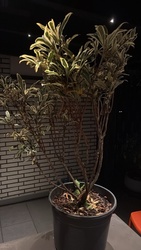
How to Care for Pittosporum
Grow pittosporum (Pittosporum tobira), a tough evergreen shrub with glossy whorled leaves and fragrant cream blooms for hedges and pots.
Read the full Pittosporum encyclopedia entry →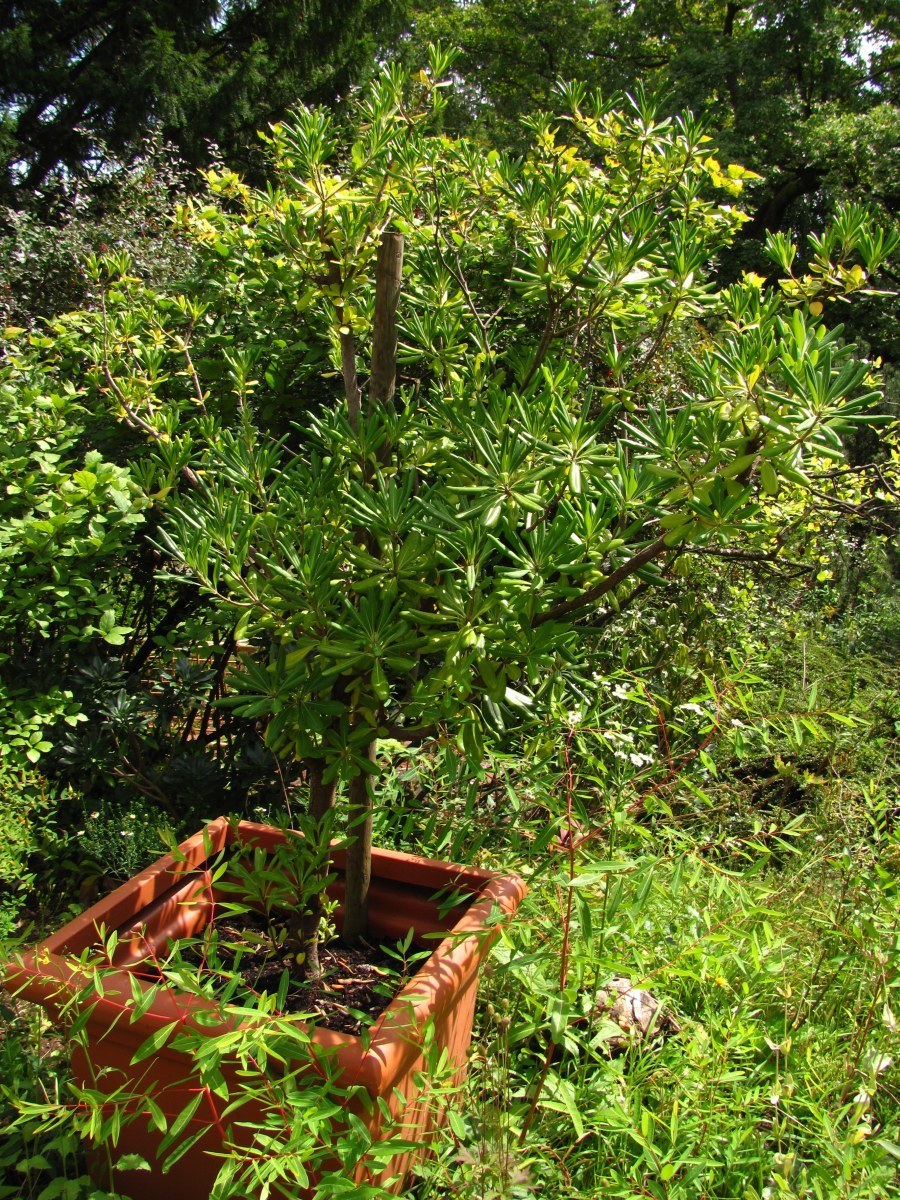
Pittosporum (Pittosporum tobira) is a dense, mounding evergreen shrub with glossy leathery leaves arranged in neat whorls and clusters of small, sweetly fragrant cream flowers in spring. It is a durable, low-fuss plant for hedges, foundation plantings, and large containers.
Light
Pittosporum is adaptable to full sun through part shade. It grows fullest and flowers best in sun but tolerates a fair amount of shade, becoming a little looser and more open there. Variegated forms hold their pale leaf edges most crisply with a few hours of direct light.
Water
Water moderately while young to establish a strong root system, keeping the soil evenly moist but not soggy. Once established, this shrub is notably drought-tolerant and needs only occasional deep watering during prolonged dry spells. Let the top few inches of soil dry between waterings, and avoid constantly wet ground.
Soil & Potting
Almost any well-drained soil suits pittosporum, including sandy and lean soils; it dislikes heavy, waterlogged ground. In containers use a quality potting mix with added grit for drainage. It tolerates a range of pH and is a good candidate for coastal gardens because it shrugs off salt spray and wind.
Humidity & Temperature
This is a warm-temperate to subtropical shrub that thrives in mild climates and copes with heat and coastal humidity easily. It is only lightly frost-hardy, so in colder regions grow it in a pot that can be moved to shelter, or protect it during hard freezes. Established plants handle brief cold snaps better than young ones.
Feeding
Feed lightly. A single application of balanced slow-release shrub fertilizer in early spring supports a season of growth. Container plants benefit from occasional dilute liquid feeding through the growing months. Avoid heavy nitrogen, which pushes soft growth at the expense of density and flowering.
Propagation
Propagate from semi-ripe cuttings taken in summer: strip the lower leaves, dip in rooting hormone, and set in a gritty, moist cutting mix under warm, humid conditions. Cuttings root steadily over several weeks. Seed is possible from ripe capsules but is slower and less predictable.
Repotting / Pruning
Pittosporum responds very well to pruning, which is why it is a favorite for clipped hedges and topiary. Shear or hand-prune after the spring flush to shape it and maintain density; it tolerates hard renovation pruning if it becomes leggy. Repot container specimens every two to three years, refreshing the mix and moving up a pot size as needed.
Common Problems & Pests
The main pests are aphids on new growth and scale insects or mealybugs on stems and leaf undersides, which can encourage sooty mold. Treat infestations with horticultural oil and improve airflow. Poor drainage can lead to root rot, so keep the soil well drained. Occasional leaf spot appears in wet, crowded conditions and is eased by better spacing and air movement.
Seasonal Care Tips
Expect the flush of fragrant blooms in spring; prune just after flowering to keep the shrub tidy. Water attentively through the first summer, then let established plants ride out dry spells. In fall, ease off feeding, and in cold-winter areas protect tender young plants or move pots under cover before hard frost.
Frequently asked questions
How do I keep pittosporum as a tidy hedge?
Shear or hand-prune it after the spring bloom and lightly again through summer if needed. Its dense, whorled growth takes clipping beautifully, making it a classic hedge and topiary shrub.
Is pittosporum drought-tolerant?
Yes, once established. Water regularly for the first season to build roots, after which it needs only occasional deep watering in extended dry weather. Avoid constantly wet soil.
Can pittosporum grow near the coast?
Very well. It tolerates salt spray and wind, making it a reliable choice for seaside gardens where many shrubs struggle.
Why are the leaves developing black sooty film?
Sooty mold grows on the sticky honeydew left by aphids, scale, or mealybugs. Treat the insects with horticultural oil and improve air circulation, and the mold will fade as the pests clear.
Pittosporum identified by the community
Recent Pittosporum specimens identified with Plant Identifier.