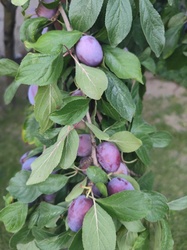
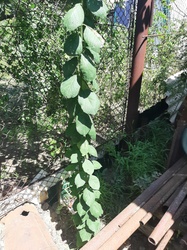
How to Care for Plum Tree
Grow an ornamental plum tree (Prunus domestica) for spring blossom and a shapely canopy with full sun, deep watering, and annual pruning.
Read the full Plum Tree encyclopedia entry →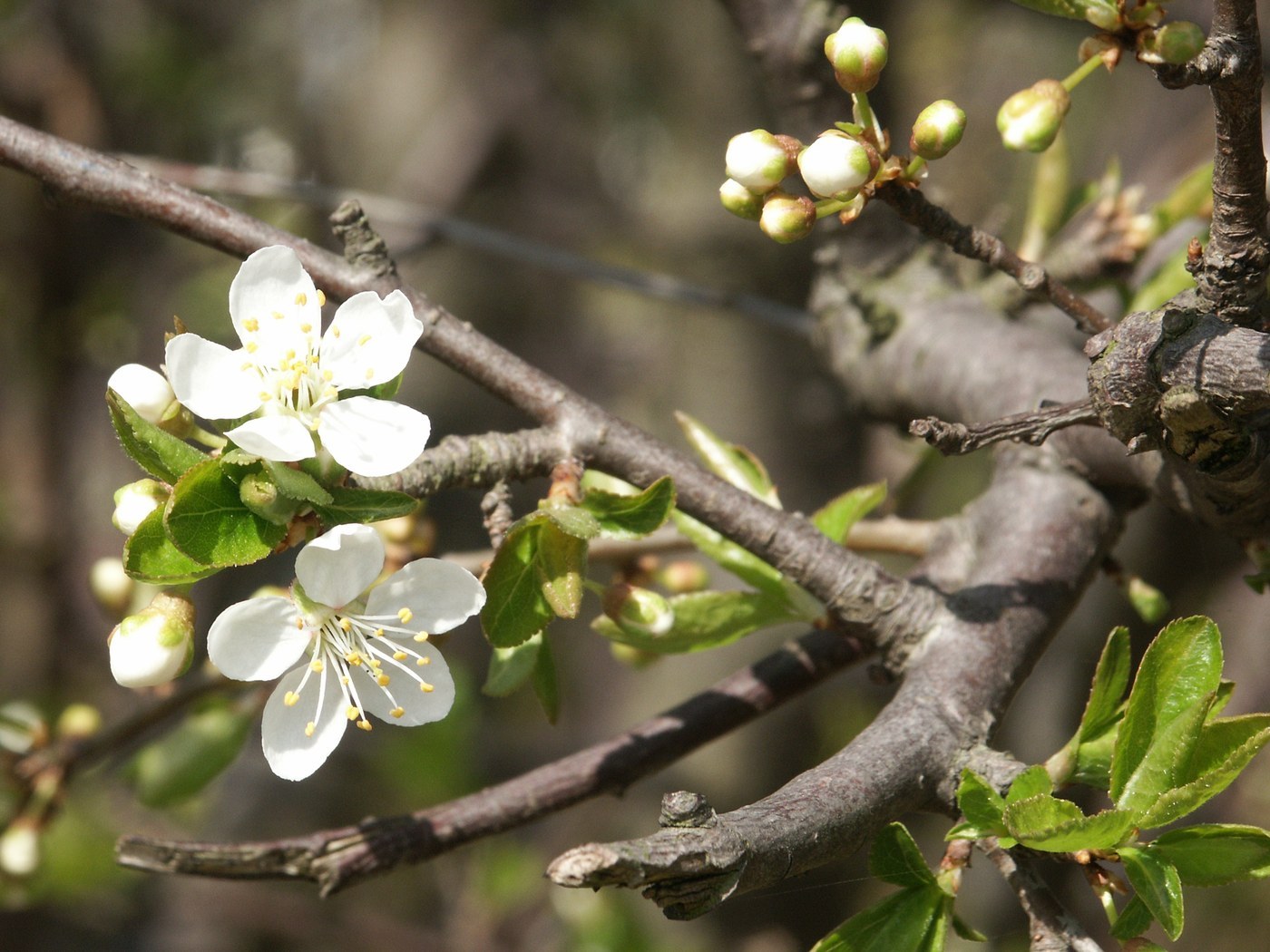
The plum tree (Prunus domestica) is a classic deciduous garden tree valued for its clouds of spring blossom, attractive branching structure, and easy adaptability. With full sun and steady moisture it becomes a handsome, long-lived ornamental focal point.
Light
Plant in full sun, ideally six or more hours daily, for the best flowering and strong, even growth. Shade reduces blossom and encourages weak, leggy branches. A warm, open, sunny position also improves air circulation and keeps the canopy healthy.
Water
Give regular, deep watering, especially while the tree is establishing and during dry spells and hot summers. Water at the root zone rather than the foliage, soaking deeply and infrequently to encourage deep roots. Mature trees tolerate short dry periods but resent both drought stress and waterlogging.
Soil & Potting
Plum trees prefer deep, fertile, moisture-retentive but well-drained loam with a neutral to slightly acidic pH. Improve heavy or sandy soils with organic matter before planting. Avoid low, boggy spots where water collects, as constantly wet roots lead to decline.
Humidity & Temperature
A hardy temperate tree, the plum needs a winter chill period to break dormancy and generally suits USDA zones 4-9 depending on cultivar. It handles a wide range of ambient humidity. Late spring frosts can damage open blossom, so avoid frost-pocket sites for reliable flowering.
Feeding
Feed in early spring with a balanced fertilizer or a top dressing of compost and well-rotted organic matter to support growth and blossom. Avoid excess nitrogen, which drives soft leafy growth at the expense of flowers and structure. A spring mulch conserves moisture and slowly feeds the roots.
Propagation
Named plum cultivars are propagated by grafting or budding onto suitable rootstocks, which also controls the tree's final size. Home growers usually buy grafted young trees. Suckers and seed do not reliably reproduce the parent, so vegetative propagation onto rootstock is standard.
Repotting / Pruning
Prune plums in late spring or summer during dry weather rather than winter, to reduce the risk of disease entering fresh cuts. Remove dead, diseased, crossing, and crowded branches to open the canopy and maintain a strong framework. Formative pruning in the early years sets a good long-term shape.
Common Problems & Pests
Watch for aphids, plum sawfly, and borers, and for fungal issues such as silver leaf, brown rot on old wood, bacterial canker, and leaf spot. Pruning in dry summer weather, clearing fallen debris, and maintaining good airflow greatly reduce disease. Address cankers promptly by removing affected wood.
Seasonal Care Tips
Enjoy blossom in spring and feed and mulch as growth begins. Water deeply through summer dry spells and carry out any pruning in warm, dry weather. In autumn the tree drops its leaves; clear fallen debris to limit disease carryover. During winter dormancy, inspect structure and plan formative cuts for the coming season.
Frequently asked questions
When should I prune a plum tree?
Prune in late spring or summer during dry weather, not in winter. Pruning while the tree is in active growth and the air is dry reduces the risk of silver leaf and canker infecting the cuts.
Why is my plum tree not flowering well?
Common causes are too much shade, excess nitrogen fertilizer, or late frosts damaging the buds. Ensure full sun, use a balanced feed, and avoid planting in a frost pocket.
How much should I water a plum tree?
Water deeply and regularly, especially for young trees and during dry summer spells. Soak the root zone thoroughly rather than sprinkling lightly, and avoid waterlogged soil.
How big does a plum tree get?
Final size depends largely on the rootstock it is grafted onto, ranging from compact dwarf forms suited to small gardens up to larger standard trees. Choose a rootstock to match your space.
Plum Tree identified by the community
Recent Plum Tree specimens identified with Plant Identifier.