
How to Care for Plumeria Tree
Grow plumeria (frangipani) for fragrant tropical blooms. Full sun, lean watering, and a warm dry dormancy are the keys to flowering success.
Read the full Plumeria Tree encyclopedia entry →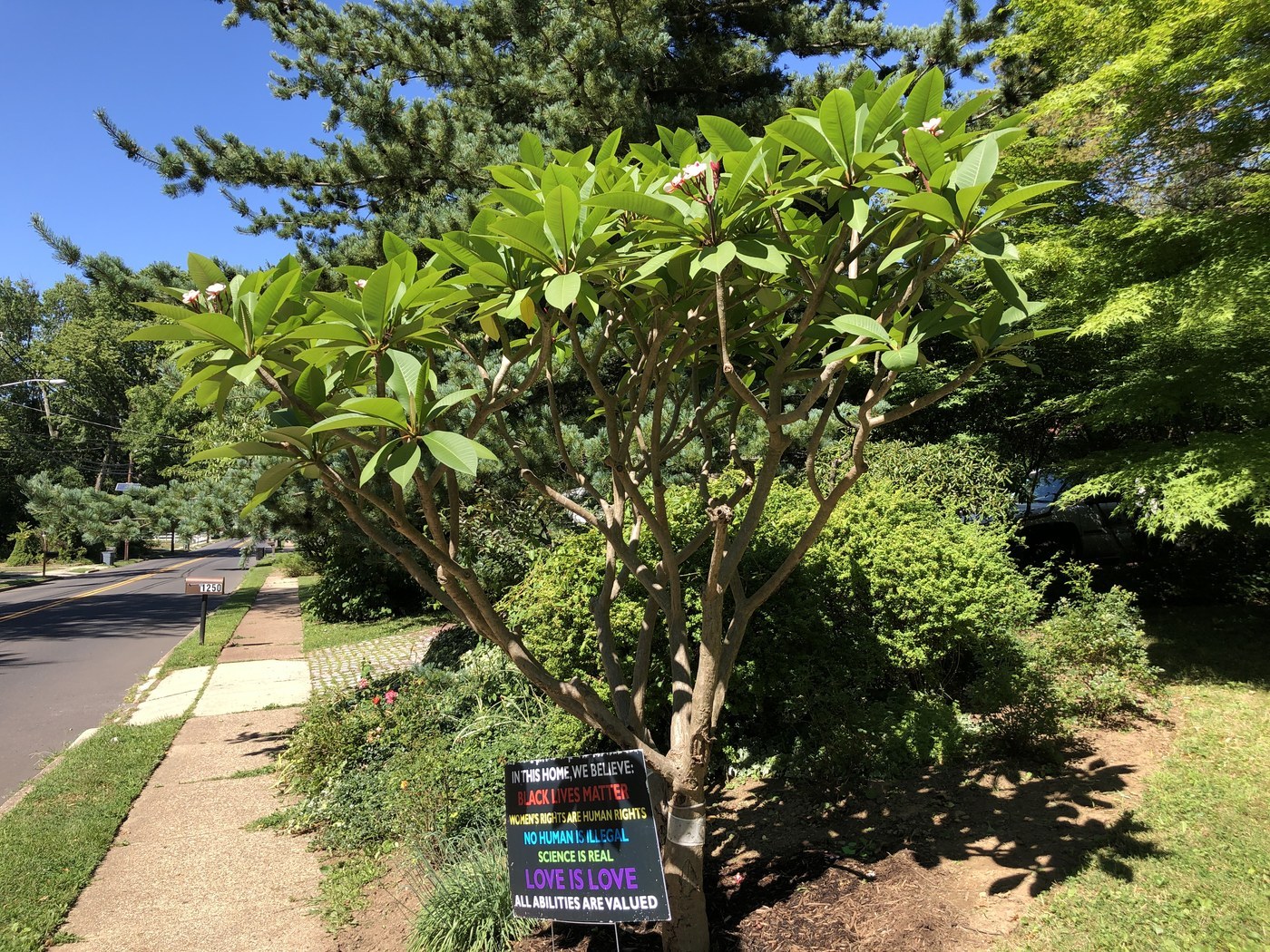
The Plumeria tree (Plumeria rubra), commonly called frangipani, is a tropical small tree famed for clusters of intensely fragrant, waxy flowers in shades of white, yellow, pink, and red. It is a moderately challenging plant whose success hinges on strong sun, careful watering, and a proper warm, dry winter rest.
Light
Plumeria demands full sun, the more the better. Give it at least six hours of direct sunlight daily, ideally more, to trigger and sustain heavy flowering. Grown indoors or on a patio, place it in your brightest, hottest spot; insufficient light leads to lanky stems and few or no blooms. In marginal climates, supplement with strong grow lights or move containers outside for the warm season.
Water
Water moderately during active growth and keep it dry during dormancy. From spring through summer, water thoroughly when the top couple of inches of soil dry out, then let it approach dryness again; the fleshy, succulent-like branches store water and rot easily if kept soggy. As temperatures drop in fall and leaves drop, cut watering drastically and keep the plant nearly dry through its winter rest.
Soil & Potting
Use a fast-draining, gritty mix such as a cactus and succulent blend amended with extra perlite, pumice, or coarse sand. Excellent drainage is essential to prevent the thick roots and trunk from rotting. Grow in a container with ample drainage holes, especially in climates where you must move it indoors for winter; terracotta helps wick away excess moisture.
Humidity & Temperature
Plumeria is a true heat lover, thriving in warm temperatures from the 70s into the 90s F and tolerating high heat with ease. It is frost-sensitive and should never sit below about 40 to 50 F for long. Average humidity is fine. In climates cooler than roughly USDA zone 10, grow it in a pot and overwinter it in a warm, bright, dry space where it can go dormant.
Feeding
Feed generously during the growing season with a high-phosphorus bloom fertilizer to maximize flowering. Apply a balanced or bloom-boosting food every two to three weeks from spring through late summer, or use a slow-release formula. Stop fertilizing entirely by early fall so the plant can harden off and enter dormancy. Resume only when new growth appears in spring.
Propagation
Plumeria roots easily from stem cuttings. Take a 12 to 18 inch tip cutting, let the cut end callus in a dry, shaded spot for one to two weeks, then plant in a gritty, barely moist mix and keep warm with bright light. Water sparingly until roots form to avoid rot. Cuttings often bloom within a year or two; seed-grown plants are variable and slower to flower.
Repotting / Pruning
Repot every two to three years in spring as the plant outgrows its container, using fresh fast-draining mix. Prune in late winter or early spring before growth resumes to shape the tree and encourage branching, since each cut tip can produce multiple new stems and more flower clusters. The plant exudes a milky sap when cut, so handle pruning wounds cleanly and let them callus.
Common Problems & Pests
The most common issues are stem and root rot from overwatering or poor drainage and failure to bloom from too little sun. Plumeria rust, an orange powdery fungus on leaf undersides, is common in humid conditions; remove affected leaves and improve air flow. Watch for spider mites, mealybugs, and whiteflies, treating with horticultural oil or insecticidal soap.
Seasonal Care Tips
In spring, resume watering and feeding as new leaves emerge and repot or prune as needed. Summer is peak bloom time under full sun with regular feeding. In fall, reduce water and stop fertilizer as the plant prepares to drop its leaves. In winter, keep it warm, bright, and nearly dry during dormancy; leaflessness is normal, and a proper dry rest sets the stage for the next flowering season.
Frequently asked questions
Why won't my plumeria bloom?
The most common reasons are too little sun and too much nitrogen. Give it at least six hours of direct sun, switch to a high-phosphorus bloom fertilizer, and allow a proper dry winter dormancy.
My plumeria dropped all its leaves. Is it dying?
Not necessarily. Plumeria is deciduous and naturally drops its leaves as it enters winter dormancy. Keep it warm and nearly dry through winter, and new growth should emerge in spring.
How do I overwinter a potted plumeria?
Bring it into a warm, bright, dry space before frost, stop feeding, and water only enough to keep the stems from shriveling. A dormant, leafless plant can even be stored bare-root in a cool dry spot.
What are the orange spots on my plumeria leaves?
That is plumeria rust, a fungal disease favored by humidity and poor air flow. Remove and dispose of affected leaves, improve ventilation, and avoid wetting the foliage when watering.