How to Care for Plumeria
Grow plumeria (frangipani) for intensely fragrant tropical blooms. A moderate-care shrub that loves heat, sun, and a dry winter rest.
Read the full Plumeria encyclopedia entry →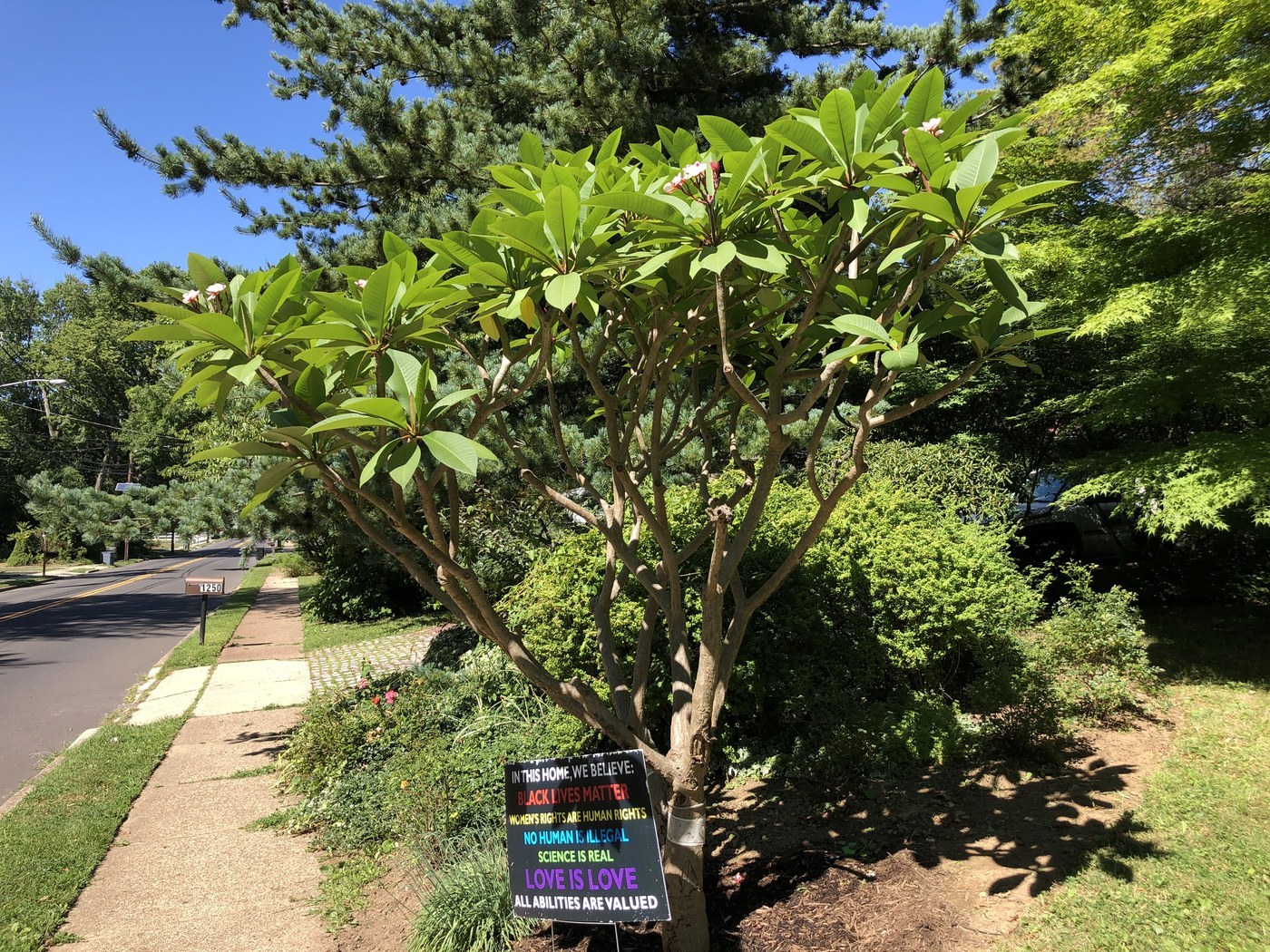
Plumeria (Plumeria rubra), often called frangipani, is a tropical deciduous shrub or small tree famed for its intensely fragrant, waxy flowers and sculptural branching. It is a moderate-care plant that demands full sun, warmth, and sharp drainage, and it takes a distinct dry rest in winter.
Light
Plumeria needs full sun, at least 6 hours and ideally more, to bloom well. It flowers best in the brightest, hottest position available. In containers, place it in the sunniest outdoor spot in summer; indoors over winter it can rest in lower light while dormant, then return to full sun.
Water
Water deeply when the soil has dried out during active growth, then let it dry again; plumeria stores water in its thick stems and rots easily if kept soggy. In winter dormancy, withhold water almost entirely, keeping the plant dry until new growth resumes in spring. Overwatering, especially in cool weather, is the most common cause of failure.
Soil & Potting
Use a fast-draining, gritty mix such as a cactus or succulent blend, ideally amended with extra perlite, pumice, or coarse sand. Drainage holes are essential. Plumeria prefers a slightly acidic to neutral soil and resents heavy, moisture-retentive media that keep the roots and stem base wet.
Humidity & Temperature
Plumeria loves heat and thrives in warm conditions; it is not frost-hardy and must be protected from cold. Bring containers indoors or under shelter before temperatures drop near freezing. It tolerates a range of humidity but prefers warm, airy conditions and a cool, dry, largely leafless dormancy in winter.
Feeding
Feed regularly during the growing season with a high-phosphorus bloom fertilizer to encourage flowering; a formula with a higher middle number supports abundant blooms. Feed from spring through late summer, then stop entirely as the plant enters dormancy. Too much nitrogen yields leafy growth at the expense of flowers.
Propagation
Plumeria roots very easily from stem cuttings. Take a cutting in spring or early summer, let the cut end callus and dry for one to two weeks, then insert it into dry, well-drained mix and water sparingly until roots form. Cuttings usually flower true to the parent, unlike variable seed-grown plants.
Repotting / Pruning
Repot every 2 to 3 years in spring, or when rootbound, into a slightly larger pot with fresh gritty mix. Prune in early spring before growth resumes to shape the plant and encourage branching, since flowers form at branch tips and pruning multiplies flowering points. Handle the milky sap and cut surfaces cleanly.
Common Problems & Pests
The classic problem is stem rot from overwatering or cold, wet dormancy, showing as soft, blackening stems. Plumeria rust produces orange-yellow pustules on leaf undersides in humid conditions. Watch also for spider mites, mealybugs, and scale. Sharp drainage, a dry winter rest, and good airflow prevent most trouble.
Seasonal Care Tips
Grow hard in the heat of summer with full sun, deep-but-infrequent watering, and bloom fertilizer. As days shorten and temperatures fall, taper water and feeding; the plant naturally drops its leaves and goes dormant. Store it cool, dry, and frost-free over winter, then resume watering and feeding as new growth appears in spring.
Frequently asked questions
Why won't my plumeria bloom?
The usual reasons are too little sun, too much nitrogen, or missing the dry winter rest. Give it the hottest, sunniest spot, switch to a high-phosphorus bloom fertilizer, and let it go dormant and dry in winter.
How do I overwinter a plumeria?
As temperatures fall it drops its leaves and goes dormant. Move it somewhere cool, dry, and frost-free, and withhold water almost entirely until new growth appears in spring, then resume watering and feeding.
My plumeria stem is turning soft and black. What happened?
That is stem rot, almost always caused by overwatering or keeping the plant wet during cold, dormant conditions. Use a fast-draining mix, water only when dry in the growing season, and keep it dry in winter.
How do I propagate plumeria?
From stem cuttings. Take a cutting in spring or early summer, let the cut end callus and dry for one to two weeks, then plant it in dry, gritty mix and water sparingly until it roots. Cuttings bloom true to the parent.
Plumeria identified by the community
Recent Plumeria specimens identified with Plant Identifier.