
How to Care for Polka Dot Plant
Grow the colorful Polka Dot Plant (Hypoestes phyllostachya) for its pink, red, or white speckled foliage with steady moisture and bright light.
Read the full Polka Dot Plant encyclopedia entry →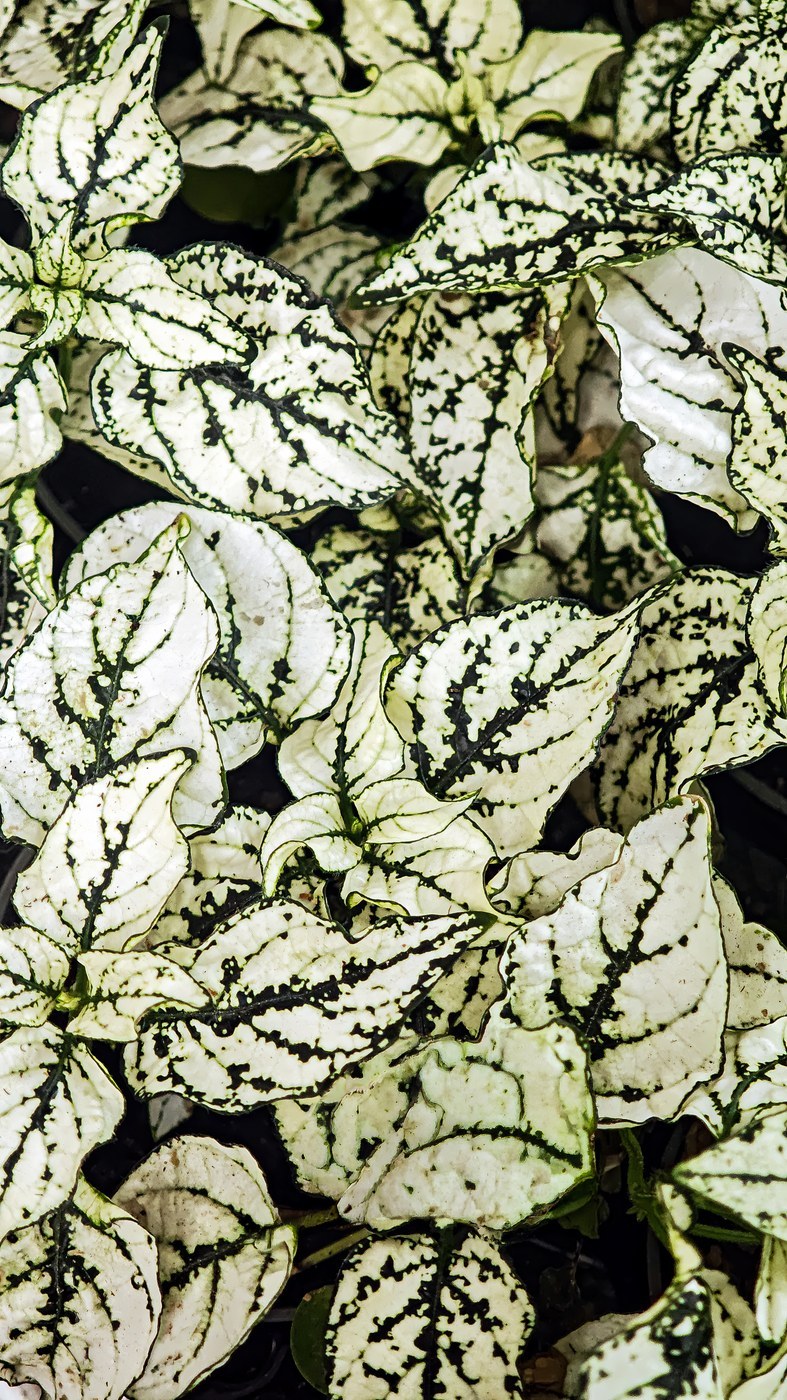
The Polka Dot Plant (Hypoestes phyllostachya) is a compact, bushy houseplant grown for its vividly speckled leaves splashed in pink, red, or white against green. It is easy to grow but appreciates steady care to keep its foliage bright and its growth tidy.
Light
Give it bright indirect light to keep the colorful speckling vivid. In too little light the markings fade and the plant stretches and grows leggy. Avoid harsh direct sun, which can scorch the delicate leaves, though a little gentle filtered morning light is fine.
Water
Keep the soil evenly moist but not waterlogged, watering when the surface just begins to dry. This plant is dramatic about thirst and will wilt quickly if it dries out, then usually perks back up after watering. Avoid letting it sit in soggy soil, which invites root rot.
Soil & Potting
Use a rich, well-draining potting mix that retains some moisture, such as a peat- or coir-based mix with added perlite. Always use a pot with drainage holes to prevent standing water at the roots.
Humidity & Temperature
It loves warmth and humidity, thriving at 50 percent humidity or higher. Dry air can cause crispy leaf edges, so group it with other plants or use a humidity tray. Keep temperatures between roughly 65 and 80 degrees Fahrenheit and away from cold drafts and temperatures below 60 degrees.
Feeding
Feed monthly during spring and summer with a balanced, diluted liquid fertilizer to support its fast, colorful growth. Reduce or stop feeding in fall and winter when growth slows.
Propagation
Propagate easily from stem cuttings. Snip a healthy tip below a node, root it in water or moist soil, and keep it warm and bright. Roots typically form within a couple of weeks. It can also be grown from seed.
Repotting / Pruning
Pinch back the growing tips regularly to keep the plant bushy and compact and to prevent legginess. Pinch off flower spikes when they appear, since flowering signals the plant to decline and become straggly. Repot in spring if it outgrows its container.
Common Problems & Pests
Leggy growth and faded color mean it needs more light and pinching. Crispy leaf edges point to low humidity or underwatering, while drooping usually means it is too dry. Watch for aphids, whiteflies, and mealybugs, and treat with insecticidal soap. This plant is naturally short-lived, so propagate fresh cuttings to keep a supply going.
Seasonal Care Tips
In spring and summer, provide bright light, steady moisture, feeding, and regular pinching for lush growth. In fall and winter, ease off feeding and water a little less as growth slows, but maintain warmth and humidity to prevent leaf browning.
Frequently asked questions
Why is my Polka Dot Plant losing its color?
Faded speckling almost always means too little light. Move it to a spot with bright indirect light to restore the vivid pink, red, or white markings.
How do I keep my Polka Dot Plant bushy?
Pinch back the growing tips regularly and remove any flower spikes. This encourages branching and prevents the plant from becoming tall and leggy.
Why does my Polka Dot Plant keep wilting?
It wilts quickly when the soil dries out. Keep the soil evenly moist and water as soon as the surface begins to dry; it usually recovers soon after watering.
Should I let it flower?
It is best to pinch off the small flower spikes. Flowering signals the plant to decline and grow straggly, so removing the buds keeps it fuller and longer-lasting.