
How to Care for Ponderosa Pine
Grow Ponderosa Pine (Pinus ponderosa), a majestic long-needled conifer with cinnamon bark that thrives in full sun and dry, well-drained soil.
Read the full Ponderosa Pine encyclopedia entry →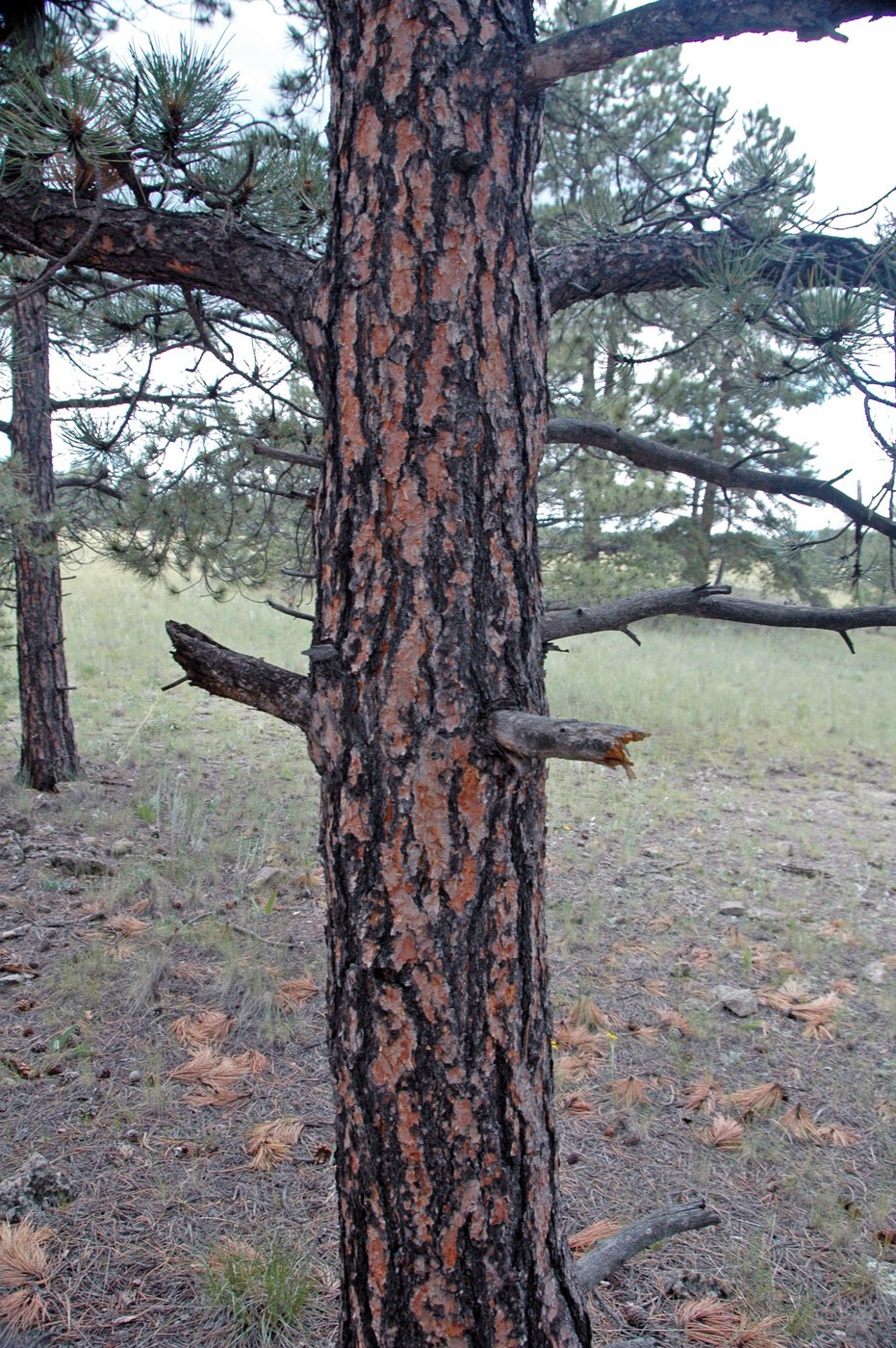
Ponderosa Pine (Pinus ponderosa) is a stately western conifer famed for its long, dark green needles, deeply furrowed cinnamon-orange bark, and towering, open form. It is a drought-hardy, easy-care evergreen ideal for large landscapes and dry-climate gardens.
Light
Give Ponderosa Pine full sun. It is intolerant of shade and needs bright, open exposure to develop a strong trunk and full canopy. Plant it where it will receive direct sun all day and have ample room to reach its considerable mature size.
Water
Water young trees deeply but infrequently through the first two or three seasons to encourage a deep taproot. Once established, Ponderosa Pine is highly drought-tolerant and thrives on natural rainfall in dry climates. Deep, occasional soakings are far better than frequent shallow watering, and soggy soil should be avoided.
Soil & Potting
This pine prefers deep, well-drained soils but adapts to sandy, gravelly, rocky, and clay-loam ground as long as drainage is adequate. It tolerates poor, dry, and moderately alkaline to acidic soils. Sharp drainage is essential; on heavy wet sites, plant on a raised mound to keep roots from standing water.
Humidity & Temperature
Adapted to continental climates with hot, dry summers and cold winters, Ponderosa Pine tolerates extreme heat, cold, and wind once established. It prefers low humidity and dry air; hot, muggy climates promote needle diseases. No humidity control is needed.
Feeding
Ponderosa Pine seldom requires feeding and grows well on lean soils. For young trees on very poor ground, a single spring application of slow-release conifer fertilizer can support establishment. Mature trees rarely benefit from feeding and should not be over-fertilized.
Propagation
Propagate from seed collected from mature cones. Seed germinates best after cold, moist stratification; sow in spring in deep, free-draining containers to accommodate the developing taproot. Grow seedlings in full sun and transplant while young, as older trees resent root disturbance. Selected forms are grafted.
Repotting / Pruning
Minimal pruning is needed. Remove dead, broken, or lower branches in late winter to raise the canopy or improve clearance. As with all pines, prune only into living, needle-bearing wood, since old bare wood will not resprout; pinch new candles in spring to control size. Young container trees should be potted on in spring using a deep pot and gritty, free-draining mix.
Common Problems & Pests
Healthy Ponderosa Pines are resilient, but they can be affected by bark beetles, pine tip moths, sawflies, and aphids, along with needle-cast, rust, and mistletoe in stressed trees. Keep trees vigorous through proper siting and deep watering during severe drought, and promptly remove dead or infested wood. Root rot from poor drainage is a leading cause of failure.
Seasonal Care Tips
Plant in autumn or early spring into well-drained soil. Water young trees deeply through their first summers and mulch to retain moisture. Carry out pruning and candle-pinching in spring. The tree is fully cold-hardy and needs no winter protection once established; give it room to grow, as it becomes a very large specimen.
Frequently asked questions
How much space does a Ponderosa Pine need?
A great deal. It becomes a very large tree with a broad, open canopy, so plant it in an open, full-sun site with plenty of room away from buildings and other trees.
How often should I water a Ponderosa Pine?
Water young trees deeply but infrequently for the first two or three seasons. Once established, it is highly drought-tolerant and thrives on rainfall, needing extra water only in severe drought.
What soil does Ponderosa Pine prefer?
Deep, well-drained soil is ideal, but it adapts to sandy, rocky, and clay-loam ground with adequate drainage. Sharp drainage is essential, as it will not tolerate soggy conditions.
Does Ponderosa Pine need pruning?
Very little. Remove dead or low branches in late winter and pinch new spring candles to control size. Never cut into old bare wood, which will not resprout.