Ponderosa Pine
Pinus ponderosa
Ponderosa pine is a tall, drought-hardy evergreen conifer of western North America, known for its long needles, large cones and puzzle-piece bark that smells of vanilla or butterscotch. It is a major western timber tree.
- Light
- Full sun
- Water
- Drought-tolerant once established
- Difficulty
- Easy
Got a plant like this?
Identify any plant from a photo, free.
Overview
Ponderosa pine is a large, long-lived evergreen conifer and one of the most widespread and important pines of western North America. It defines vast stretches of dry mountain forest from Canada to Mexico.
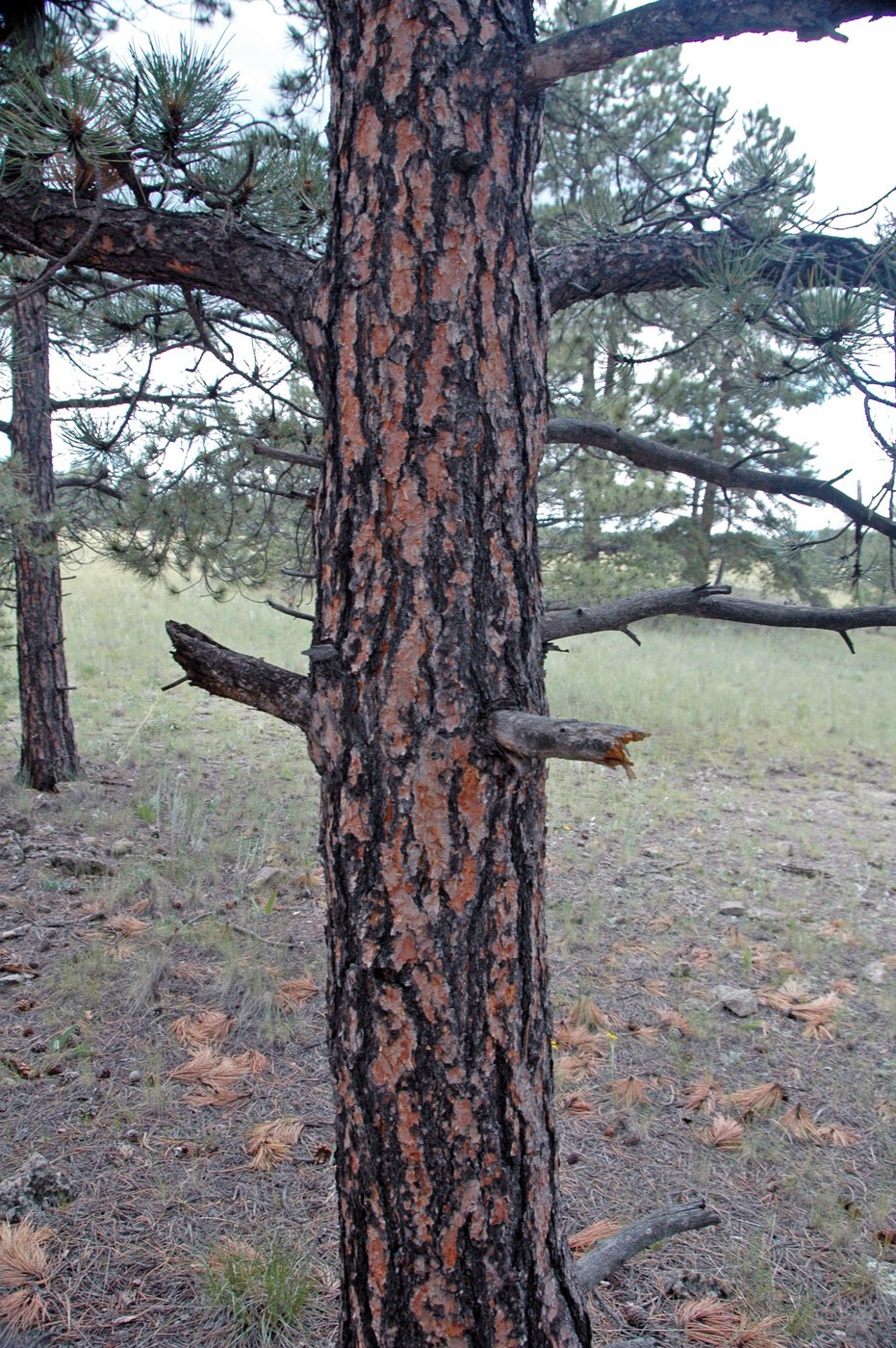
Mature trees develop striking cinnamon-orange bark broken into jigsaw-puzzle plates, which famously gives off a sweet aroma of vanilla or butterscotch on warm days. The long needles and tall, straight trunks make it a commanding landscape and forest tree.
Well adapted to dry climates and periodic wildfire, ponderosa pine is both an ecological keystone of western forests and a leading source of softwood timber.
How to identify it
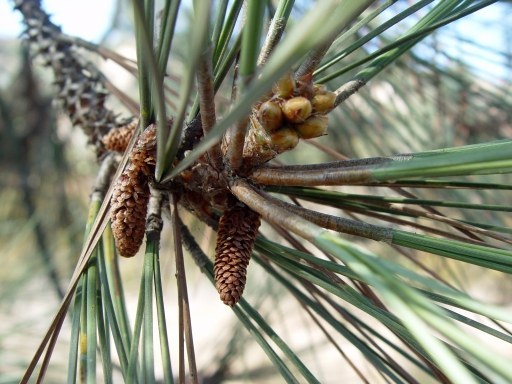
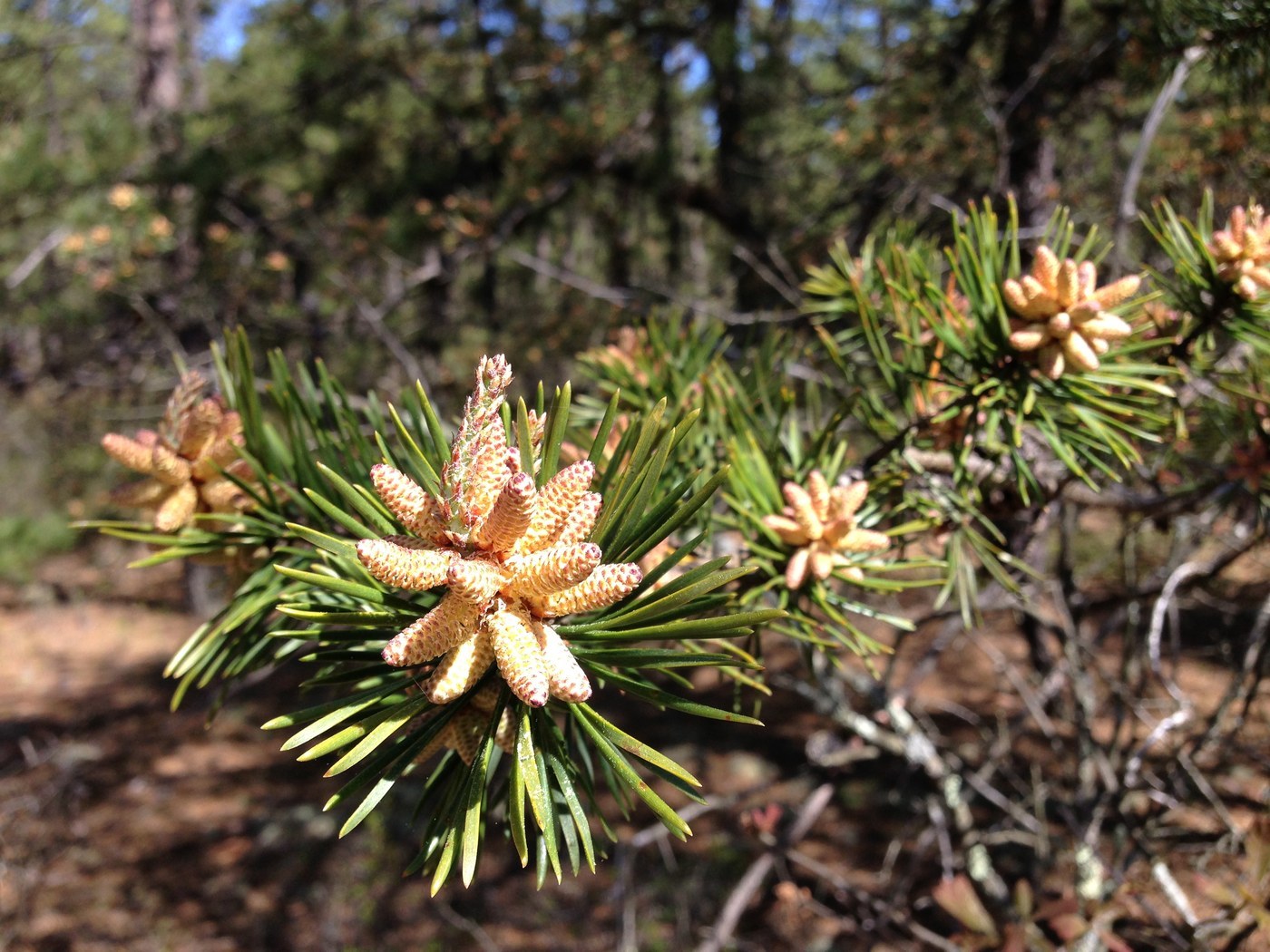
- Needles: Long (12–28 cm / 5–11 in), in bundles of two to three (usually three), tufted toward branch tips
- Cones: Oval, 8–15 cm long, reddish-brown, with a sharp outward-pointing prickle on each scale
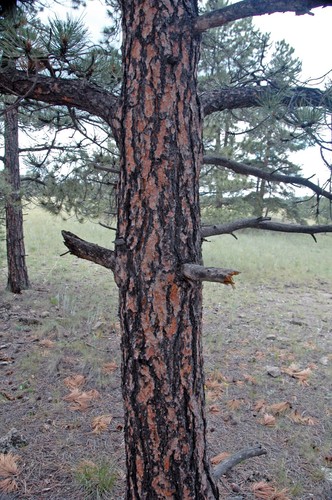
- Bark: On mature trees, cinnamon to orange-brown, broken into large, flat, puzzle-like plates that smell of vanilla or butterscotch; dark and furrowed on young trees ('blackjacks')
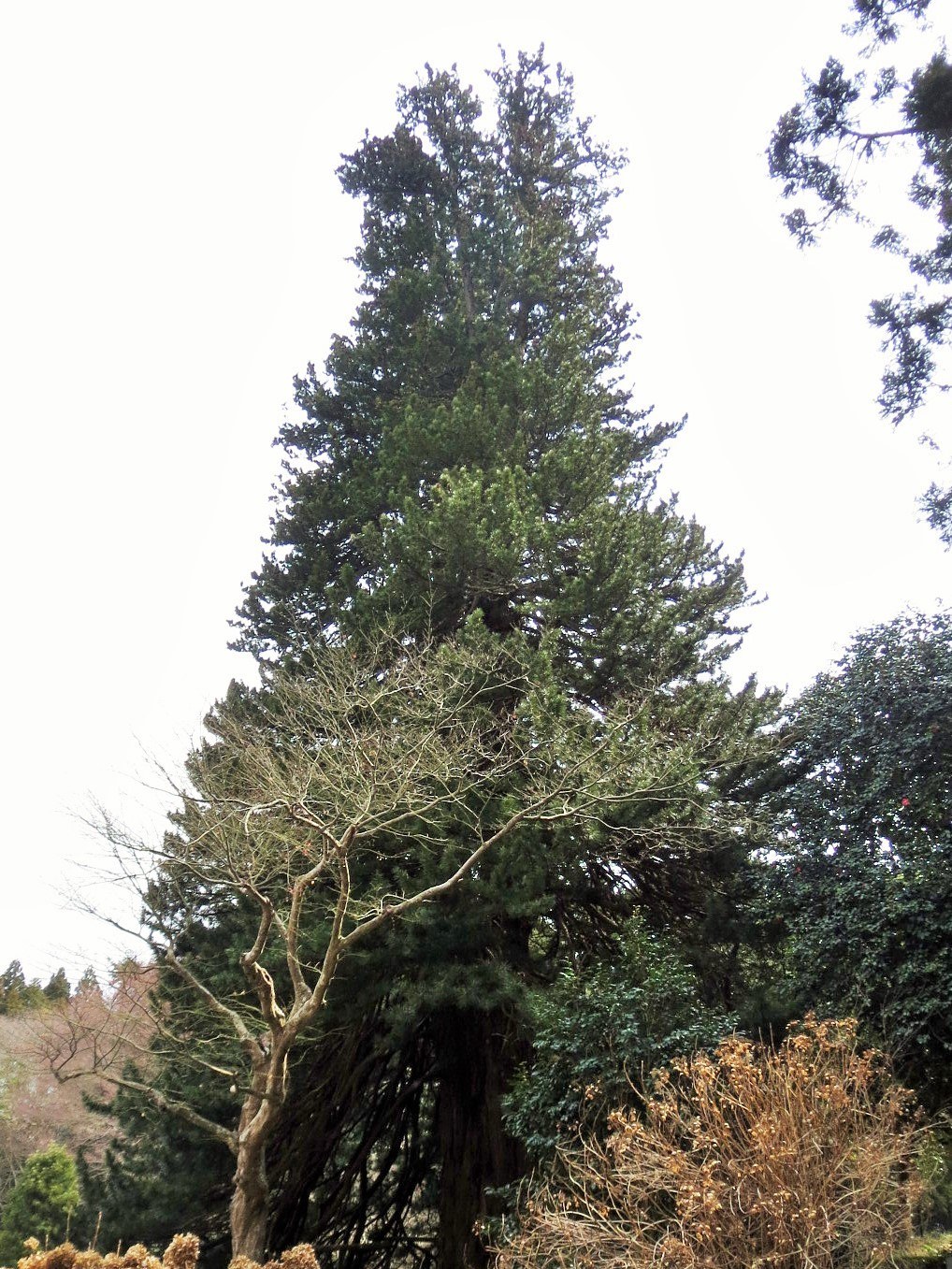
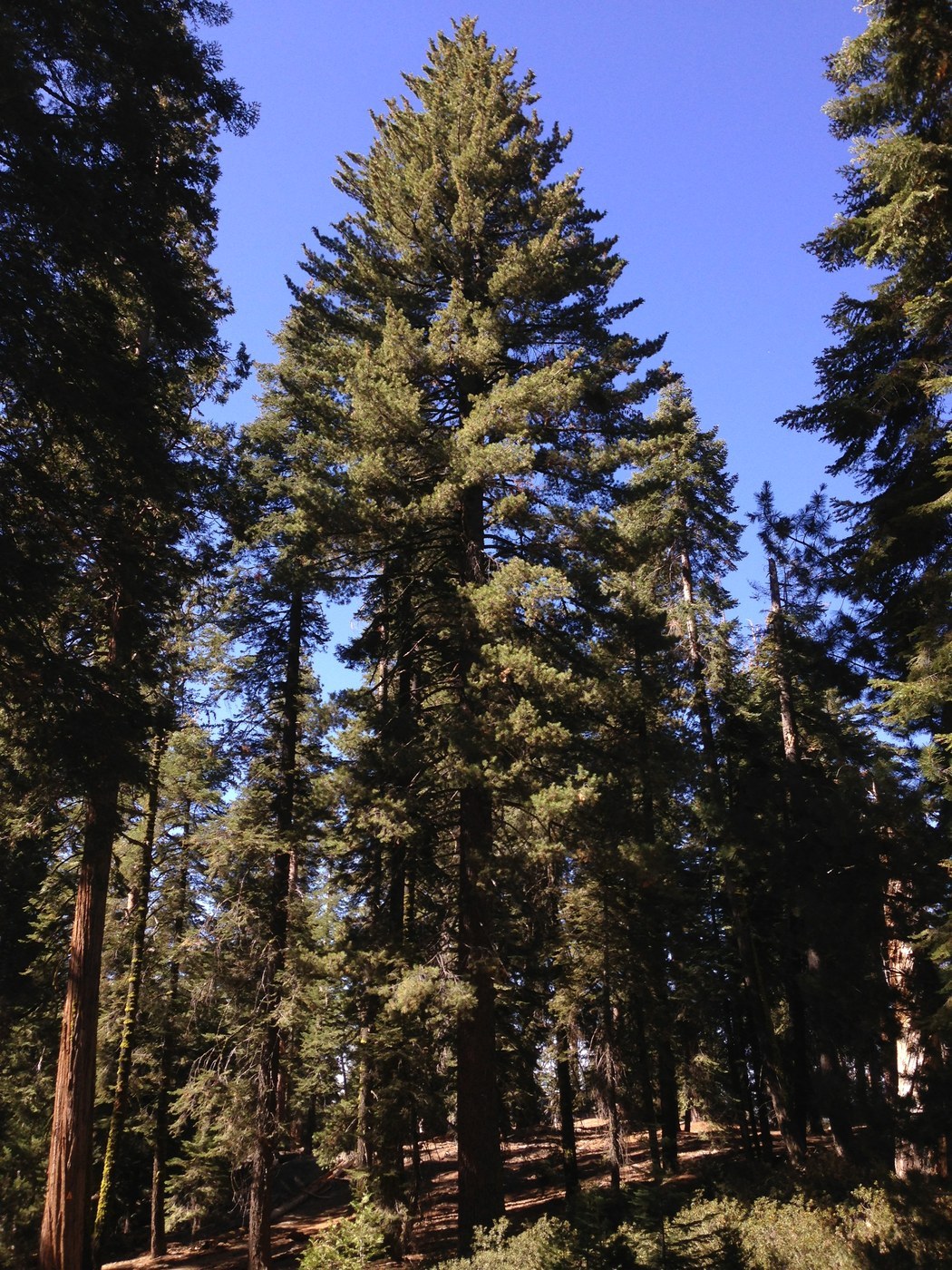
- Size: Commonly 18–50 m (60–165 ft); among the tallest pines
- Habit: Straight trunk with an open, conical to rounded crown
- Aroma: Warm bark smells sweetly of vanilla, butterscotch or turpentine
Care & growing
Light: Full sun; intolerant of shade.
Water: Drought-tolerant once established thanks to a deep taproot; water young trees until established.
Soil: Prefers well-drained soils; tolerates poor, rocky, sandy and dry ground. Dislikes waterlogging.
Temperature: Very cold-hardy and heat-tolerant; thrives across a wide range from USDA zones 3–7, adapted to dry continental climates.
Feeding: Rarely needed; adapted to lean soils.
Fire: Mature trees have thick, insulating bark and self-prune lower branches, making them adapted to survive low-intensity ground fires.
Propagation: Grown from seed; cones release winged seeds that need open, mineral soil to germinate.
Habitat & origin
Pinus ponderosa is native to western North America, ranging from British Columbia south through the western United States to Mexico, and from the Pacific coast east to the Great Plains.
It dominates dry montane forests, foothills and plateaus, typically at elevations where rainfall is moderate and summers are dry. Adapted to frequent low-intensity fire, it forms open, park-like stands and is widely planted for timber and in large landscapes within its range.
Frequently asked questions
Why does ponderosa pine bark smell like vanilla?
The bark of mature trees contains aromatic compounds that, when warmed by the sun, give off a distinctive sweet scent often described as vanilla or butterscotch. Smelling the bark is a classic field identification trick.
How do I distinguish ponderosa from Jeffrey pine?
They are very similar. Ponderosa cone prickles point outward and prick the hand, while Jeffrey pine cones are larger with inward-curving prickles ("gentle Jeffrey, prickly ponderosa"). Range and bark scent also help.
Is ponderosa pine drought-tolerant?
Yes, very. A deep taproot and thick needles make established trees highly drought-tolerant, suiting them to dry western climates.
How big and old do ponderosa pines get?
They commonly reach 18–50 m (60–165 ft) tall and can live for several hundred years, with some specimens exceeding 500 years of age.
Ponderosa Pine guides
In-depth guides for identifying, growing, and caring for Ponderosa Pine.
How to Care for Ponderosa Pine
Grow Ponderosa Pine (Pinus ponderosa), a majestic long-needled conifer with cinnamon bark that thrives in full sun and dry, well-drained soil.
Ponderosa Pine Identification Guide
Recognize ponderosa pine by its long needles in bundles of two or three, prickly cones, and the puzzle-piece orange bark of mature trees that smells of vanilla. Includes how to separate it from Jeffrey and lodgepole pine.